
The first NASCAR premier series points race held outside the United States since 1958 took place in Mexico City, attracting enthusiastic fans and strong attendance. While the event was largely praised for its success, some issues emerged, particularly concerning safety standards and race format, with Ryan Blaney openly criticizing the length of the race.
Blaney, the 2023 NASCAR Cup Series champion, joined the conversation during an interview on Rubbin’ is Racing with Spider. He suggested that the 100-lap race was unnecessarily long for the Mexico City circuit.
I think it could have been cut a little bit. 100 laps around that place is a lot. I think you could cut it down to like 80 laps, and it’s going to be just as good of a race,
Blaney stated. He reasoned that reducing the laps by 20 would maintain the race’s excitement without diminishing the quality of the competition.
Despite the critique, Blaney expressed support for NASCAR’s international expansion and did not oppose the idea of returning to Mexico City next season. However, he highlighted the logistical difficulties involved in organizing races outside the U.S., especially given the tight scheduling between consecutive race weekends.
Advocating for a Recovery Period After International Events
Blaney, who races for Team Penske in car No. 12, emphasized that the scheduling of the Mexico City race contributed to exhaustion among teams and drivers. He proposed moving the event to the week before the Easter break, a slot currently occupied by the Bristol race, to allow for a valuable rest period. After traveling internationally, most personnel returned home on Monday and quickly faced Pocono’s race the very next weekend, leaving limited time for recovery.
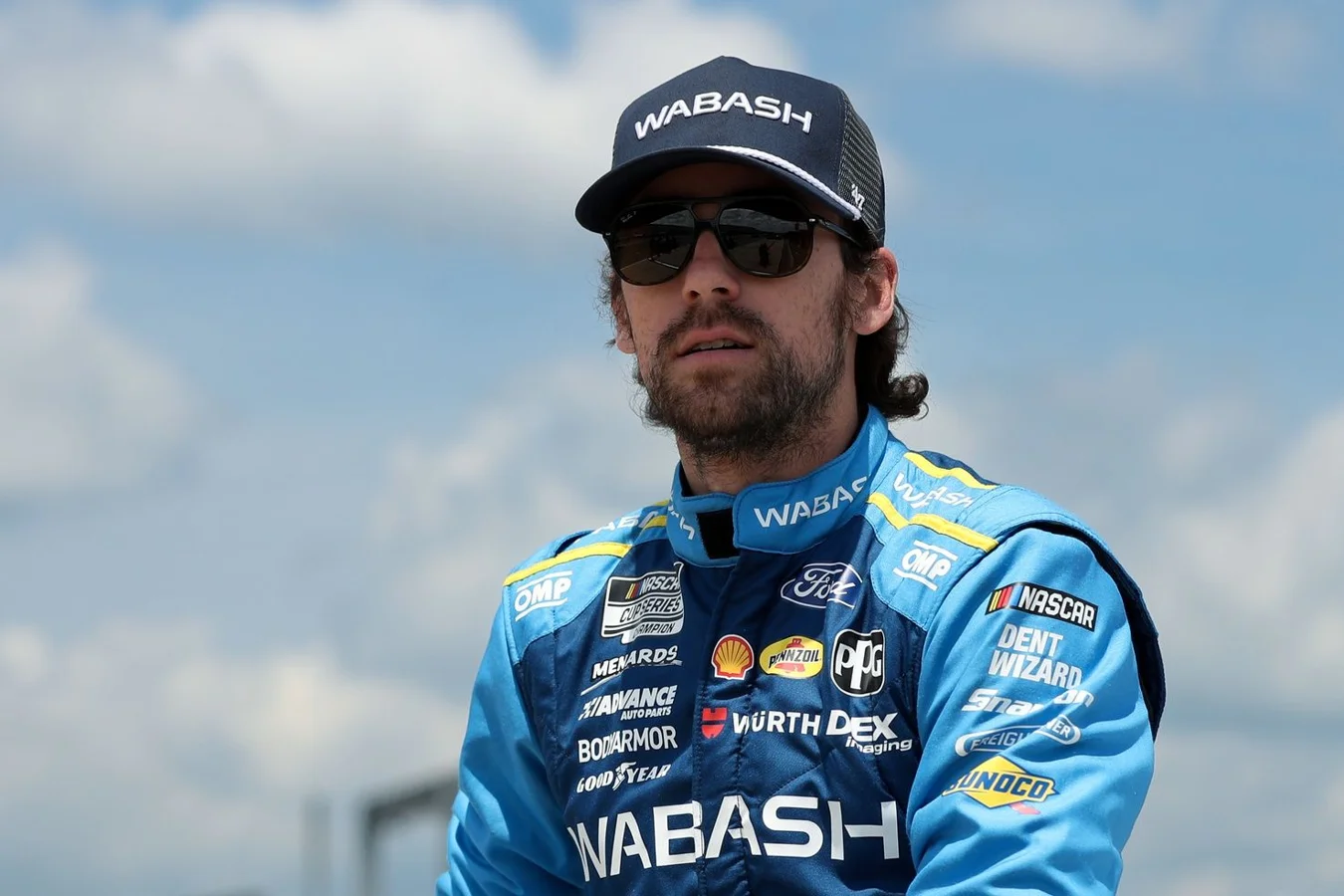
The rapid transition created stress and disrupted preparation time.
I would like to see, maybe it’s a week off after an international event, just to give everybody a little bit of a breather, time to reset… That would be a good idea, have an off weekend after an international race for multiple reasons,
Blaney said. His call reflected concerns about driver fatigue and operational pressures caused by the demanding schedule.
Jeff Gordon, a respected figure within NASCAR, earlier echoed similar thoughts. While supportive of NASCAR’s global reach, Gordon underscored the importance of adjusting the race calendar to avoid overburdening teams. With a schedule that includes 38 races and only one off weekend this season, both Gordon and Blaney warned that such an intense pace may not be sustainable long term.
The Impact of Scheduling on NASCAR’s Future International Expansion
This discussion sheds light on the challenges NASCAR faces as it expands beyond U.S. borders. While the Mexico City race proved popular and demonstrated strong fan support, calls from experienced drivers like Ryan Blaney and legends such as Jeff Gordon stress the need for thoughtful planning. Adjusting race length and providing breathing room after international events could improve the experience for teams and athletes alike.
Such measures would not only enhance safety and performance but also reinforce NASCAR’s commitment to growing the sport globally without compromising its core participants’ well-being. As NASCAR looks ahead to future international races, organizers will likely consider these critiques to refine scheduling and event formats to balance excitement with sustainability.
