
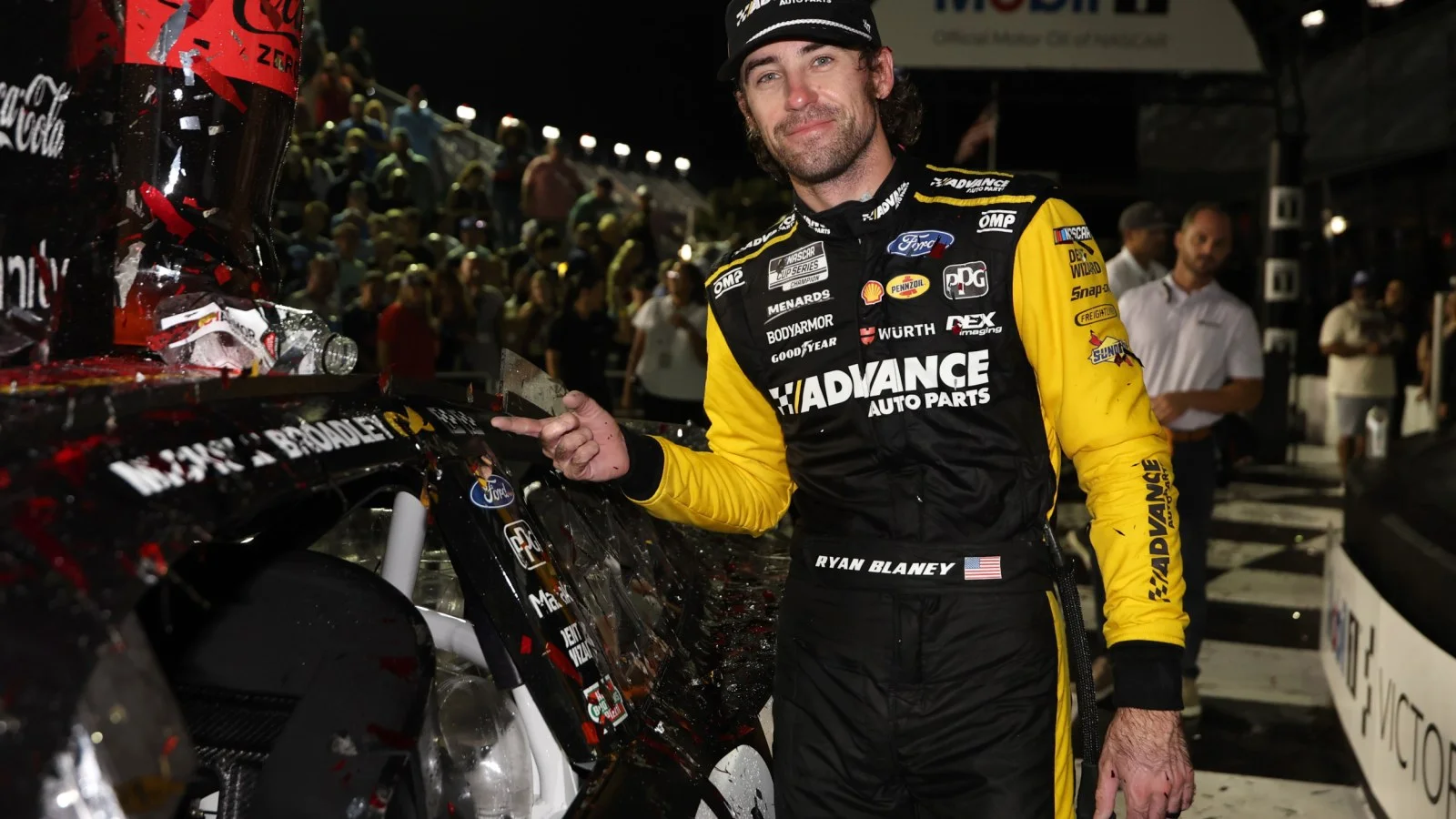
Ryan Blaney, a top NASCAR driver known for his expertise at superspeedways like Daytona and Talladega, has spoken candidly about how Next–Gen NASCAR cars are altering superspeedway racing. These new vehicles, introduced in 2022, have reshaped drafting strategies and driving dynamics, compelling even experienced drivers to adapt rapidly to a transformed racing environment.
Blaney’s insights come from his extensive experience on these high-speed tracks and a revealing conversation with Dale Earnhardt Jr., where he discussed the significant challenges presented by the latest generation of cars and how they have affected drivers’ approach to racing.
How Next–Gen Cars Have Revolutionized Superspeedway Drafting
Drafting, a critical technique on superspeedways that combines precise timing and trust between drivers, has been fundamentally changed by Next–Gen NASCAR cars. Unlike the previous Gen 6 models, these cars have rounded rear bumpers that make clean contact much more difficult, complicating the push-and-pull dynamics that drivers once mastered.
Earnhardt Jr. shared his uncomfortable experience testing the Next–Gen cars at Daytona, noting the unpredictability and instability in large drafting packs. This environment demands flawless coordination, as even slight miscalculations can quickly escalate into chaos on the track.
Blaney explained,
I don’t really think the cars have gotten a lot more comfortable. I think the drivers have just gotten used to it.
—Ryan Blaney
He further detailed why the rear car now holds significantly more responsibility during drafting, saying,
It’s way more uncomfortable than what this previous generation of car was like… the rear car has so much responsibility now.
—Ryan Blaney
New Strategic Challenges in Superspeedway Competition
The arrival of Next–Gen cars has introduced a more cautious and calculated style of racing at superspeedways. Long chains of cars drafting in close proximity, once common, have diminished as drivers hesitate to execute high-risk bump drafts that could destabilize their rivals or themselves.
Blaney noted that timing is now more critical than ever, requiring drivers to modulate throttle input carefully rather than making aggressive moves to push the lead car. This balance demands constant attention to surroundings and split-second decisions to maintain speed while avoiding crashes.
He described the delicate nature of trusting fellow racers during these maneuvers:
You gotta trust that guy behind you to push you… it’s definitely delicate.
—Ryan Blaney
The competitive landscape is no longer just about speed; it is shaped by finesse, patience, and mental acuity as drivers navigate unpredictable pack behavior and aerodynamic quirks introduced by the new car design.
Mental Strength Shapes Success Amid Next–Gen Challenges
Despite the technical shifts, Blaney believes that mental resilience plays a decisive role in thriving on superspeedways. He has embraced the chaotic and unpredictable nature of pack racing, learning to accept crashes and setbacks as inherent to the sport.
Reflecting on his mindset, Blaney said,
Years ago, I just finally put my mind [to], hey… these speedway races… it is what it is,
—Ryan Blaney
This philosophy helps him maintain patience and avoid desperation, particularly during the high-pressure final laps where split-second choices determine race outcomes. His ability to stay composed has led to numerous strong finishes, including a recent dramatic photo finish at Daytona.
Guidance from Racing Veterans and Embracing the Superspeedway Challenges
Blaney’s approach has been shaped by lessons from NASCAR veterans like Brad Keselowski, Joey Logano, Denny Hamlin, and Dale Earnhardt Jr., whose combined wisdom has helped him adapt to this new era. Though he does not claim superspeedway racing as his preferred style, Blaney rejects negativity surrounding pack racing and views tracks like Daytona and Talladega as opportunities.
He argued,
You’re kinda beating yourself before you get there if you hate it,
—Ryan Blaney
And added,
So… even though maybe it’s not my favorite type, I’m going to go and try my best, and enjoy it the most I can.
—Ryan Blaney
This positive mindset, combined with his strategic timing and adaptability, positions Blaney to remain a strong contender in superspeedway events despite the pressure imposed by Next–Gen technology.
Next–Gen NASCAR Cars Signal a New Era on Superspeedways
The introduction of Next–Gen NASCAR cars has permanently altered the landscape of superspeedway racing, demanding new skills, strategies, and mental toughness from drivers. As the traditional methods of drafting evolve, racers like Ryan Blaney exemplify how embracing change and maintaining composure can turn these challenges into competitive advantages.
With continued refinement and experience, drivers will likely develop fresh techniques tailored to the distinctive characteristics of Next–Gen cars, reshaping how the sport’s most iconic races unfold. As Blaney’s recent performances show, mastering these vehicles requires more than speed—it demands patience, precision, and trust among competitors in the tightly packed action of superspeedways.
