
Kyle Larson showcased remarkable control by leading 441 of 500 laps at Bristol Motor Speedway, sparking concern among racing fans about the emerging norms under NASCAR’s Next Gen era. This era has shifted the advantage heavily toward track position, raising urgent calls for modifications to the racing package used at superspeedways. Ryan Blaney of Team Penske, following the recent All-Star race, has voiced both admiration and frustration regarding the current state of short-track competition with these new cars.
Competitive Moments Amidst Strategic Battles at Bristol
Despite the mixed opinions on the new regulations, the Bristol race delivered intense moments of competition. Joey Logano dominated much of the event by leading 139 laps, but Christopher Bell’s late-race two-tire strategy created an electric showdown between the pair. This strategic gamble captivated fans and ignited discussion about whether the Next Gen cars can still deliver compelling short-track racing.
Ryan Blaney Calls for NASCAR to Address Shortcomings
Blaney remains skeptical about the direction of short-track racing, pointing to last year’s Bristol event where tire wear influenced the outcome, allowing Denny Hamlin to triumph through smart tire management. He expresses concern over NASCAR’s decision to cancel promising tire options after that event, stressing the need for the sport to re-evaluate its approach to enhance competition.
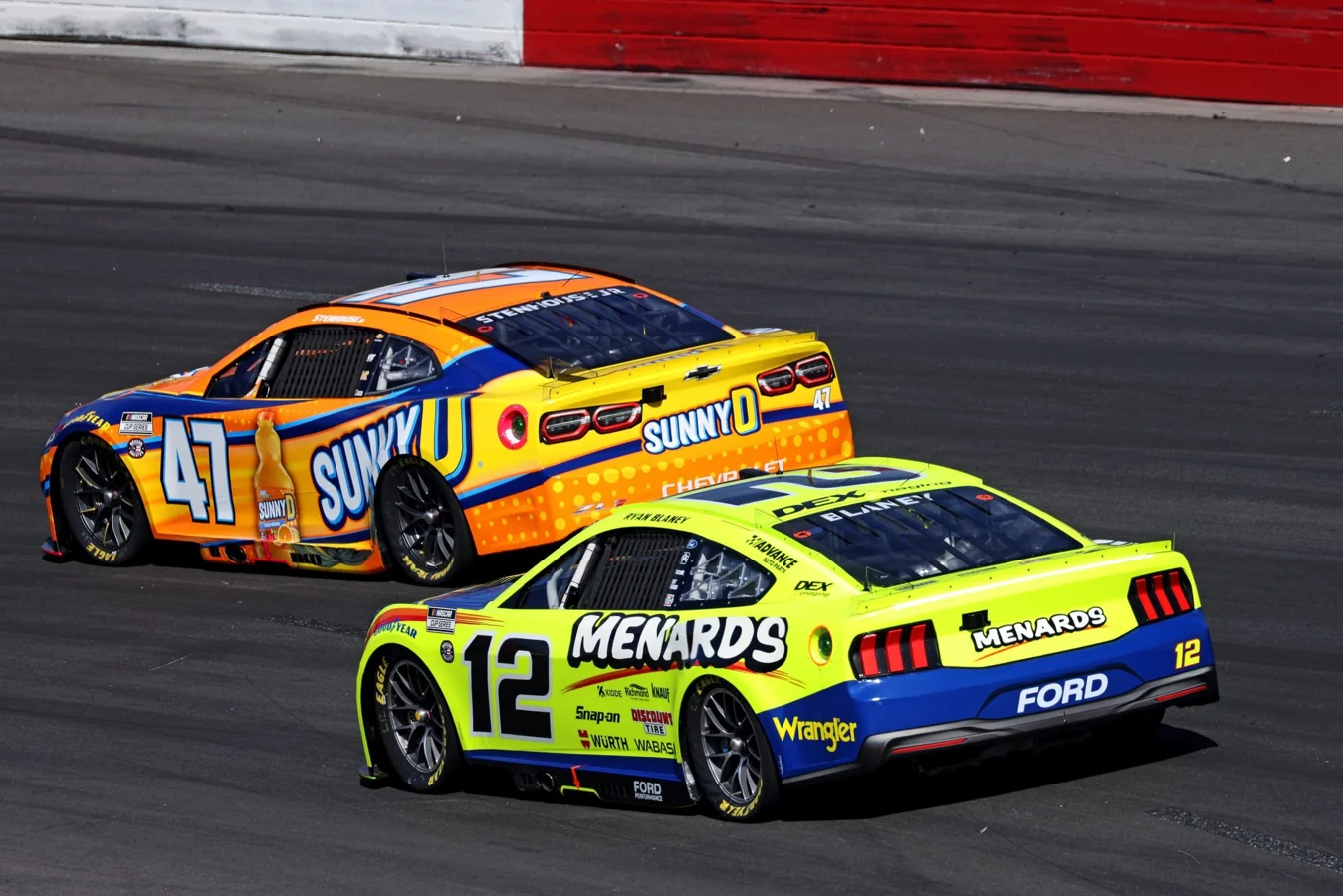
Need for Improved Passing and Closer Racing in Next Gen Era
Drawing on his experience with wins at Martinsville Raceway and Iowa, Blaney emphasizes the importance of cars that support overtaking and close battles. He critiques the Next Gen car’s difficulty in following another vehicle closely, which limits opportunities to make race-winning moves compared to previous models. This limitation restricts diverse racing lines and overtaking strategies that once enriched short-track racing.
Limited Racing Lines and Aggressive Tactics Reflect Shortcomings
The scarcity of viable multi-groove racing options particularly constrains overtaking at short tracks, forcing drivers predominantly to the inside lane. Unlike NASCAR Xfinity cars, the Next Gen vehicles demonstrate reduced aero sensitivity, weakening traditional tactics such as side drafting. Drivers often resort to aggressive moves like bump-and-run to pass, highlighting the pressing need for deeper reforms that can restore genuine racing excitement.
Potential Solutions: Engine Power and Tire Strategies Under Consideration
NASCAR’s hesitance to fully embrace the tire experiment has left unresolved doubts about improving racing dynamics. In this context, Denny Hamlin’s vocal support for boosting engine horsepower has gained attention as a possible means to rejuvenate short-track competition. Increasing power could help cars compete more aggressively and create better on-track action for drivers and fans alike.
NASCAR Faces a Crossroads in Shaping the Future of Short-Track Racing
With the sport at a pivotal moment, key decision-makers within NASCAR are examining options to revitalize the Next Gen package. The dialogue surrounding engine enhancements, tire choices, and racing formats underscores the high stakes involved in preserving the excitement and competitiveness of NASCAR’s short-track landscape.
The Urgency Behind Ryan Blaney’s Call for Change
Roger Penske’s accomplished driver Ryan Blaney’s appeal for faster reforms echoes broadly among drivers and enthusiasts eager to see NASCAR reclaim its edge in close racing. His insight stresses the critical need for NASCAR to implement meaningful adjustments that restore overtaking possibilities and maintain fan engagement in the evolving Next Gen era.
