
Ryan Preece, driver for RFK Racing, recently expressed his views on the ongoing discussion about increasing horsepower in NASCAR cars for the 2026 season. He emphasized the need for additional test runs to better evaluate the impact before any changes are finalized, suggesting that any necessary adjustments could be made prior to the new season’s start. This perspective adds to the developing conversation about car power in the sport.
Currently, engines in the Next Gen Cup Series produce around 670 horsepower, a decrease from the previous near-1,000 horsepower ratings. Fans and some in the industry are advocating for a horsepower increase to approximately 750 or even back up to 1,000, but NASCAR has cited budget concerns and the importance of attracting manufacturers as reasons for keeping power near current levels.
Besides traditional combustion engines, NASCAR has unveiled a prototype all-wheel-drive electric vehicle delivering more than 1,000 horsepower (about 1,341 HP). This prototype reflects NASCAR’s broader strategy for electrification and decarbonization by 2035, although it remains separate from the combustion engine cars used in the Cup Series today.
On a call with CBS Sports‘ Steven Taranto, Ryan Preece explained his viewpoint on testing higher horsepower levels:
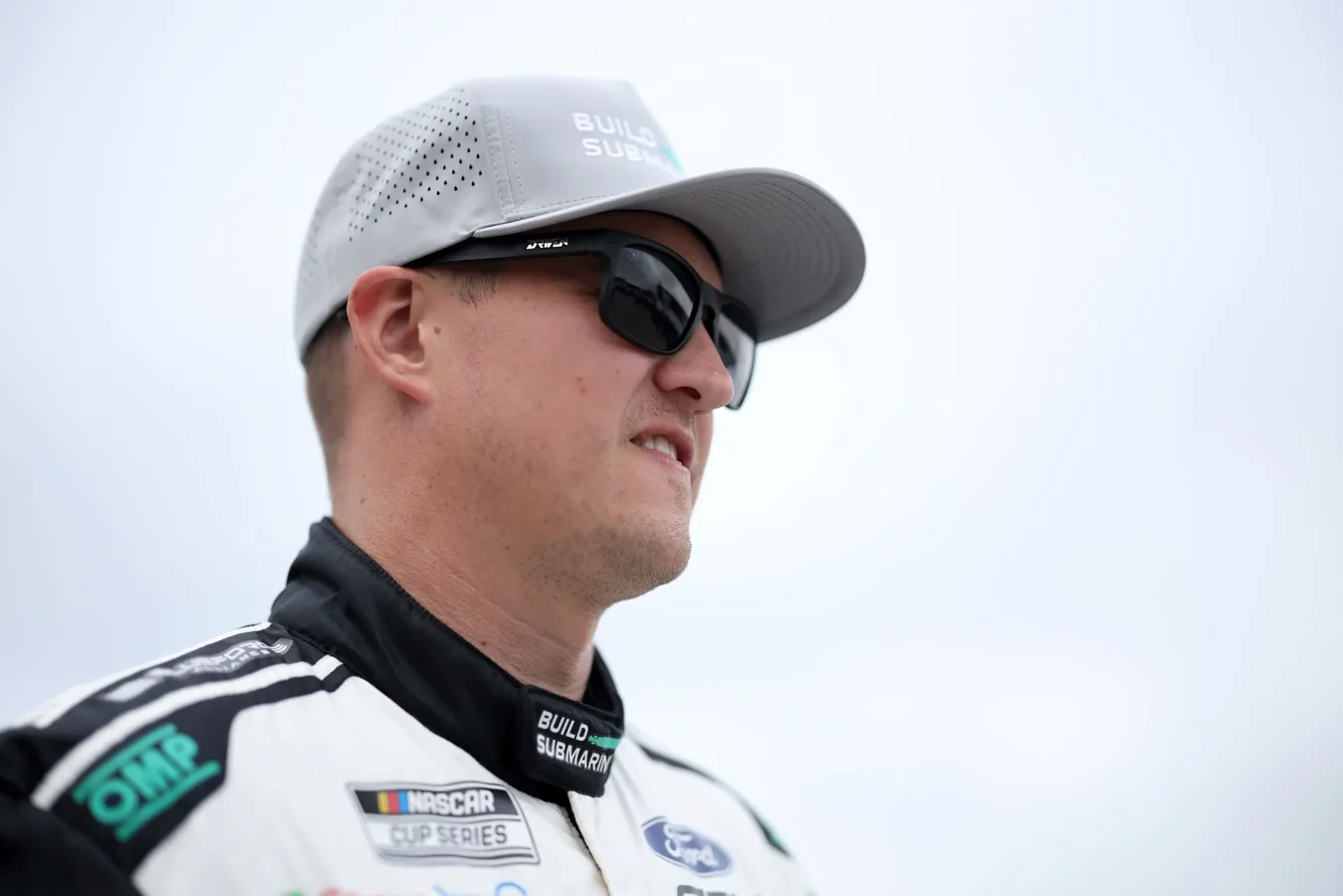
“From the driver’s standpoint, I wish we would be able to go to a test and overshoot it. Give us too much and just have to dial it back from there because, you know, I feel like we need, I know a thousand horsepower seems like a big number, but in my eyes, with the car weighing 3,500 pounds, you’re going to need a big percentage increase to notice, I think, what we’re trying to accomplish. But, yeah, I think there’s so many different ways you can go about it. I’d just like to see us try to test on the a lot more side.”
—Ryan Preece, NASCAR Driver
Performance Highlights and Role at RFK Racing
Ryan Preece competes full-time for RFK Racing in the No. 60 Ford, marking his first full season in the NASCAR Cup Series. To date, he has secured 10 top ten finishes and achieved a career-best third-place finish in one of the 23 races this season. Preece has maintained steady performance, averaging an overall finishing position near 18th, and he has led a total of 53 laps in 2025.
Ryan Preece Reflects on Team Dynamics and Race Strategy
Preece has credited his strong relationship with RFK Racing co-owner Brad Keselowski and teammate Chris Buescher as major contributors to his steady progression during the current season. These bonds have helped Preece manage challenges and sharpen his approach to race preparation, bringing the team closer to competing at a winning level with more laps led.
During a recent interview with Fox Sports reporter Bob Pockrass, Preece described a moment when he deliberately eased off to allow Keselowski past, despite the competitive stakes involved:
“Once we settled in and we got about 20 laps into that run, I just started getting really loose, and Brad caught me. Even though I hate losing another spot in the points, I knew it was the right thing to do with how fast he was at the time and how many laps he led,”
—Ryan Preece, NASCAR Driver
He also emphasized the long-standing support from teammate Chris Buescher, which has aided his performance throughout the season.
The Future of NASCAR Horsepower and the Road Ahead
The debate over raising NASCAR car horsepower remains active, with Ryan Preece advocating for more extensive testing before any definitive steps are taken. This cautious but hopeful stance aligns with broader discussions about how much power cars should have to improve competition without compromising safety or escalating costs excessively. NASCAR’s ongoing development of electric prototypes demonstrates a commitment to transforming the sport sustainably over the next decade.
As the 2026 season approaches, drivers like Preece and teams such as RFK Racing will closely monitor any horsepower increases and adapt their strategies accordingly. The outcome of these decisions will have significant implications for manufacturer interest, fan engagement, and the future direction of NASCAR racing.
