
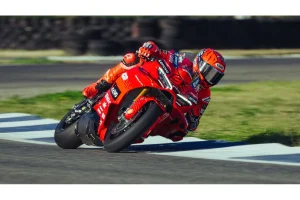
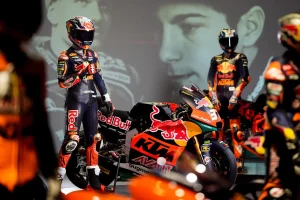
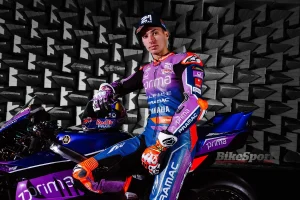
Grand Prix motorcycle racing(MotoGP), the world’s oldest continuous motorsport championship since 1949, pits prototype bikes against each other on global road circuits in MotoGP, Moto2, and Moto3 classes. Sanctioned by FIM with Dorna handling commercial rights, it features 22 Grands Prix annually—each with Sprint and full races—where 1000cc MotoGP machines hit 366 km/h under strict rules emphasizing innovation over production bikes. Giacomo Agostini leads with 15 titles; Marc Márquez claimed 2025’s latest.
Championship Structure
Grand Prix motorcycle racing awards three world championships annually—MotoGP (premier), Moto2, and Moto3—via points from 22 Grands Prix, each delivering a Saturday Sprint race (half-distance) and Sunday Grand Prix (~45 minutes, no refueling).
Points System
Riders score from finishing positions; maximum weekend haul is 37 points (win both events). No drops; all count toward title. Ties broken by most wins, then highest finishes, countback.
Grand Prix Points (Top 15)
| Pos | Pts | Pos | Pts | Pos | Pts |
|---|---|---|---|---|---|
| 1 | 25 | 6 | 10 | 11 | 5 |
| 2 | 20 | 7 | 9 | 12 | 4 |
| 3 | 16 | 8 | 8 | 13 | 3 |
| 4 | 13 | 9 | 7 | 14 | 2 |
| 5 | 11 | 10 | 6 | 15 | 1 |
Sprint Points (Top 9)
| Pos | Pts |
|---|---|
| 1 | 12 |
| 2 | 9 |
| 3 | 7 |
| 4 | 6 |
| 5 | 5 |
| 6 | 4 |
| 7 | 3 |
| 8 | 2 |
| 9 | 1 |
Constructors’ and Teams’ titles use identical scoring (best bike/rider per event).
Event Weekend Breakdown
Compact Friday-Sunday format maximizes action.
-
FP1/FP2 (Friday): 45 min each; baseline pace, setup tweaks.
-
FP3 (Saturday AM): 45 min; top 10 to Q2.
-
Qualifying (Saturday): Q1 (15 min, fastest 2 advance); Q2 (12 min, pole + grid).
-
Sprint Race (Saturday PM): ~half GP laps; grid from Q2.
-
Warm-up (Sunday AM): 15-20 min tire test.
-
Grand Prix (Sunday): Full distance; flag-to-flag bike swaps for rain.
107% rule: Must lap within 107% of fastest in practice/qualy or risk exclusion.
Race Rules and Procedures
MotoGP races run ~45 minutes without refueling, using flag-to-flag swaps for weather changes, strict electronic aids limits, and real-time penalties enforced by race direction.
Starting Procedures
Standing starts from a 3×3 grid (22 riders). Electronics manage launches—no traction control in wet, limited wheelie control. False starts earn ride-through penalties.
Flag Signals and Safety
-
Yellow (single/double wave): Slow down, no overtaking; marshal ahead.
-
Red: Race stopped; return to pits at reduced speed.
-
White: Slow rider or rain ahead.
-
Blue: Faster rider approaching—yield track.
-
Black/White diagonal: Warning for irresponsible riding.
-
Crash Response: Marshals wave yellows; bikes cleared before green.
Penalties and Infractions
Race Direction monitors telemetry/GPS for violations.
| Infraction | Penalty |
|---|---|
| Track limits (3x/run) | Long lap loop (60s detour) |
| Reckless riding | Drop 3 grid spots or ride-through |
| False start | Ride-through or pit lane speed limit |
| Pit lane speeding | Time penalty (6-18s added) |
| Illegal overtake under yellow | Drive-through |
Flag-to-Flag and Bike Swaps
Introduced 2005: Rain triggers white flag—riders pit for second prepped bike (wets/inters, steel brakes). No time loss mandated; swaps ~10-15s. Wet bikes have softer suspension, no carbon brakes (ineffective cold).
Fuel, Tires, and Endurance Rules
-
Fuel: 22L tank (MotoGP); no refuel. Map limits prevent over-revving.
-
Tires: Michelin spec (slicks, soft/hard compounds, full wets, intermediates). Allocation: 9 front/13 rear per weekend.
-
Engine Mapping: 6 configs (full power, save, rain); seamless gearbox mandatory.
-
Pit Lane: 60 km/h limit; no fueling during race.
Electronics and Tech Limits
No traction/launch control (banned 2009); ride-height devices outlawed 2023 (front holeshot 2027 full ban). Standard ECUs since 2014; concessions allow extra engines/development for underperformers.
Race Interruptions and Restarts
-
Quick Restart: <5 min stoppage → reform grid, reduce laps.
-
Delayed Restart: Grid by original positions; max 2 restarts.
-
Distance: Minimum 70% for full points; pro-rated if shortened.
Sprint races (~half distance) follow identical rules, grid from Q2. 107% qualifying rule excludes slow qualifiers unless waived.
Title Contenders and Standings
2025 saw Marc Márquez (Ducati) clinch his 8th premier title. Constructors: Ducati (ongoing dominance). Multiple championships possible (Rider/Team/Constructor per class).
2026 Calendar Highlights
22 rounds across 17 countries: Qatar (opener), Europe (Jerez-Barcelona-Mugello), Asia (Motegi-Sepang), Americas (Austin-Mandalika), Australia (Phillip Island finale). Sprints every weekend since 2023 boost action 50%.
| Decade | Champions (Rider – Manufacturer) |
|---|---|
| 1949-1959 | 1949: Harold Daniell (Norton) 1950: Umberto Masetti (Gilera) 1951: Gilera (team) 1952: Enrico Lorenzetti (Moto Guzzi) 1953: Geoff Duke (Gilera) 1954: Geoff Duke (Gilera) 1955: Geoff Duke (Gilera) 1956: John Surtees (MV Agusta) 1957: John Surtees (MV Agusta) 1958: John Surtees (MV Agusta) 1959: John Surtees (MV Agusta) |
| 1960s | 1960: MV Agusta (team) 1961: Gary Hocking (MV Agusta) 1962: Mike Hailwood (MV Agusta) 1963: Mike Hailwood (MV Agusta) 1964: Mike Hailwood (MV Agusta) 1965: Mike Hailwood (MV Agusta) 1966: Giacomo Agostini (MV Agusta) 1967: Giacomo Agostini (MV Agusta) 1968: Giacomo Agostini (MV Agusta) 1969: Giacomo Agostini (MV Agusta) |
| 1970s | 1970: Giacomo Agostini (MV Agusta) 1971: Giacomo Agostini (Yamaha) 1972: Giacomo Agostini (Yamaha) 1973: Phil Read (Yamaha) 1974: Agostini (Yamaha) 1975: Agostini (Yamaha) 1976: Barry Sheene (Suzuki) 1977: Barry Sheene (Suzuki) 1978: Kenny Roberts (Yamaha) 1979: Kenny Roberts (Yamaha) |
| 1980s | 1980: Roberts (Yamaha) 1981: Marco Lucchinelli (Suzuki) 1982: Franco Uncini (Suzuki) 1983: Freddie Spencer (Honda) 1984: Eddie Lawson (Yamaha) 1985: Spencer (Honda) 1986: Lawson (Yamaha) 1987: Wayne Gardner (Honda) 1988: Gardner (Honda) 1989: Eddie Lawson (Honda) |
| 1990s | 1990: Wayne Rainey (Honda) 1991: Rainey (Honda) 1992: Rainey (Honda) 1993: Kevin Schwantz (Suzuki) 1994: Michael Doohan (Honda) 1995: Doohan (Honda) 1996: Doohan (Honda) 1997: Doohan (Honda) 1998: Doohan (Honda) 1999: Àlex Crivillé (Honda) |
| 2000s | 2000: Kenny Roberts Jr. (Suzuki) 2001: Valentino Rossi (Honda) 2002: Rossi (Honda) 2003: Rossi (Honda) 2004: Rossi (Yamaha) 2005: Rossi (Yamaha) 2006: Nicky Hayden (Honda) 2007: Casey Stoner (Ducati) 2008: Rossi (Yamaha) 2009: Rossi (Yamaha) |
| 2010s | 2010: Jorge Lorenzo (Yamaha) 2011: Casey Stoner (Honda) 2012: Lorenzo (Yamaha) 2013: Marc Márquez (Honda) 2014: Márquez (Honda) 2015: Lorenzo (Yamaha) 2016: Márquez (Honda) 2017: Márquez (Honda) 2018: Márquez (Honda) 2019: Márquez (Honda) |
| 2020s | 2020: Joan Mir (Suzuki) 2021: Fabio Quartararo (Yamaha) 2022: Francesco Bagnaia (Ducati) 2023: Bagnaia (Ducati) 2024: Jorge Martín (Ducati) 2025: Marc Márquez (Ducati) |
Event Weekend Format
Friday-Sunday schedule emphasizes qualifying and short races.
-
Free Practice 1-2: 45 minutes each; set 107% rule baseline.
-
Practice 3: 45 minutes; top 10 advance to Q2.
-
Qualifying: Q1 (15 min, top 2 to Q2); Q2 (12 min, sets pole/grid).
-
Saturday Sprint: ~20 laps, half points.
-
Sunday Grand Prix: Flag-to-flag swaps allowed for rain; no refueling.
Technical Regulations
Prototype four-strokes only; no public sales. 2027 brings 850cc cap, sustainable fuel, no ride-height devices.
Class Specifications
| Class | Engine | Power | Weight (bike) | Top Speed |
|---|---|---|---|---|
| MotoGP | 1000cc V4/Inline-4 | 250-290 hp | 157 kg | 366 km/h |
| Moto2 | 765cc Triumph 3-cyl | 140 hp | 192 kg (rider incl.) | 308 km/h |
| Moto3 | 250cc single-cyl | 55 hp | 148 kg (rider incl.) | 258 km/h |
MotoGP: 7 engines/season max; concessions for lower performers. Michelin tires (Pirelli 2027); 22L fuel.
2026 Teams and Riders
22 riders; Ducati dominates with 8 bikes.
| Team | Riders |
|---|---|
| Ducati Lenovo | Marc Márquez (93), Francesco Bagnaia (63) |
| Monster Energy Yamaha | Fabio Quartararo (20), Álex Rins (42) |
| Red Bull KTM Factory | Pedro Acosta (37), Brad Binder (33) |
| Repsol Honda | Joan Mir (36), Luca Marini (10) |
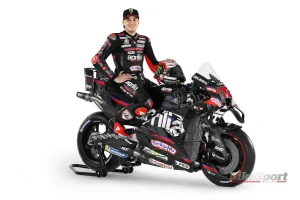
| Aprilia Racing | Jorge Martín (89), Marco Bezzecchi (72) |
| Pertamina VR46 Ducati | Fabio Di Giannantonio (49), Franco Morbidelli (21) |
| Gresini Ducati | Álex Márquez (73), Fermín Aldeguer (54) |
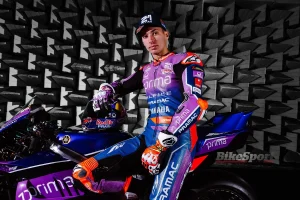
| Prima Pramac Yamaha | Toprak Razgatlıoğlu (7), Jack Miller (43) |
| Trackhouse Aprilia | Raúl Fernández (25), Ai Ogura (79) |
| LCR Honda | Johann Zarco (5), Diogo Moreira (11) |
| Red Bull KTM Tech3 | Maverick Viñales (12), Enea Bastianini (23) |
Historical Milestones
Grand Prix motorcycle racing boasts 76 years of evolution from multi-cylinder two-strokes to modern 1000cc prototypes, marked by technological shifts, safety advances, and iconic rivalries.
Formative Years (1949-1960s)
FIM launches World Championship in 1949 across 500cc, 350cc, 250cc, 125cc, sidecars. MV Agusta dominates (37 titles 1950s-70s); John Surtees wins 1956-1960 500cc. Honda debuts 1959 Isle of Man TT. Two-strokes emerge 1960s; 1967 cylinder/gear limits spark Japanese boycott (Honda/Suzuki/Yamaha).
Two-Stroke Era Peak (1970s-1990s)
Giacomo Agostini claims 15 titles (8x 500cc), most wins (122). Kenny Roberts (Yamaha) brings Americans 1978-80. Freddie Spencer (Honda) dual 250/500cc 1985. Aluminum twin-beam chassis (Cobas 1982) revolutionizes handling. 500cc two-strokes hit 200mph (Ito 1993 Hockenheim). Dorna takes commercial rights 1992.
MotoGP Four-Stroke Transition (2000s)
2002: 500cc → MotoGP (990cc four-strokes or 500cc two-strokes). Rossi wins first 5 titles (2001-05). 800cc cap 2007 cuts costs. Ducati claims first European 500/MotoGP constructors’ 2007 (Stoner). Bridgestone sole tire 2009; Michelin returns 2016.
Key Rule Changes Timeline
| Year | Milestone |
|---|---|
| 2005 | Flag-to-flag bike swaps introduced |
| 2007 | 800cc engines; single tire supplier |
| 2010 | Moto2 replaces 250cc (Honda 600cc spec) |
| 2012 | Moto3 replaces 125cc; 1000cc return |
| 2014 | Open class; standard ECUs |
| 2019 | Long lap penalty; Triumph Moto2 engines |
| 2023 | Sprint races every GP; MotoE World Championship |
Modern Hybrid Era (2010s-2025)
Marc Márquez youngest premier champ 2013 (age 20), dominates Honda 2013-19 (6 titles). Quartararo first French 2021. Sprints boost 2023 action 50%. Liberty Media buys Dorna 2025. Márquez 2025 title (8th premier, longest gap between wins). 2027: 850cc, sustainable fuel, no ride-height devices.
Records and Legends
-
Titles: Agostini 15; Márquez/Rossi 8x MotoGP.
-
Wins: Rossi 89 MotoGP; Hailwood 10/12 (83%) 1966 250cc.
-
Speed: Binder 366.1 km/h (2023 Italy Sprint).
-
Milestones: First non-European 500cc win (Roberts 1978); first independent team champ (Martín 2024). Sidecars end 1996; 80cc drops 1989.
Economic and Cultural Footprint
Grand Prix motorcycle racing generates over €1 billion annually, fueling a global industry through broadcasting, sponsorships, and tourism while embedding itself in pop culture as motorsport’s two-wheeled pinnacle.
Economic Impact
Dorna Sports (Liberty Media-owned since 2025) secures €500M+ in TV rights (Warner Bros. Discovery Europe/Asia, Sky Sports). 22-race calendar across 17 countries drives €200M tourism (e.g., Mugello €100M Italy boost). Michelin/Pirelli tire deals €50M/year; manufacturers invest €100M+ per factory team (Ducati/Honda).
Revenue Breakdown
| Source | Annual Value |
|---|---|
| Broadcasting | €500M+ |
| Sponsorships (Petronas, Monster) | €300M |
| Ticket Sales/Gates | €150M |
| Manufacturers/Teams | €200M+ R&D |
| Merch/Licensing | €100M |
€850M total 2025 revenue; 2026 projected €1.2B post-Liberty synergies with F1.
Manufacturers and Team Investments
8 constructors field 22 MotoGP bikes: Ducati (8), Honda (4), Yamaha (4), KTM (4), Aprilia (2). Factory budgets €50-100M; independents €20M. Triumph spec Moto2; Honda legacy Moto3 engines. Concessions reward laggards (e.g., Yamaha 2026 extra engines).
Cultural and Global Reach
400M+ TV viewers/year; 1B+ social impressions. Icons Rossi (9 titles), Márquez (8) transcend sport—Netflix “MotoGP Unlimited” 2022. Asia-dominant (Japan/Indonesia fans); Europe core (Italy/Spain). Video games (Milestone MotoGP 25) 10M+ sales. Sustainable fuel (40% 2024, 100% 2027) aligns with green shift. Harley-Davidson new series 2026 expands footprint.