
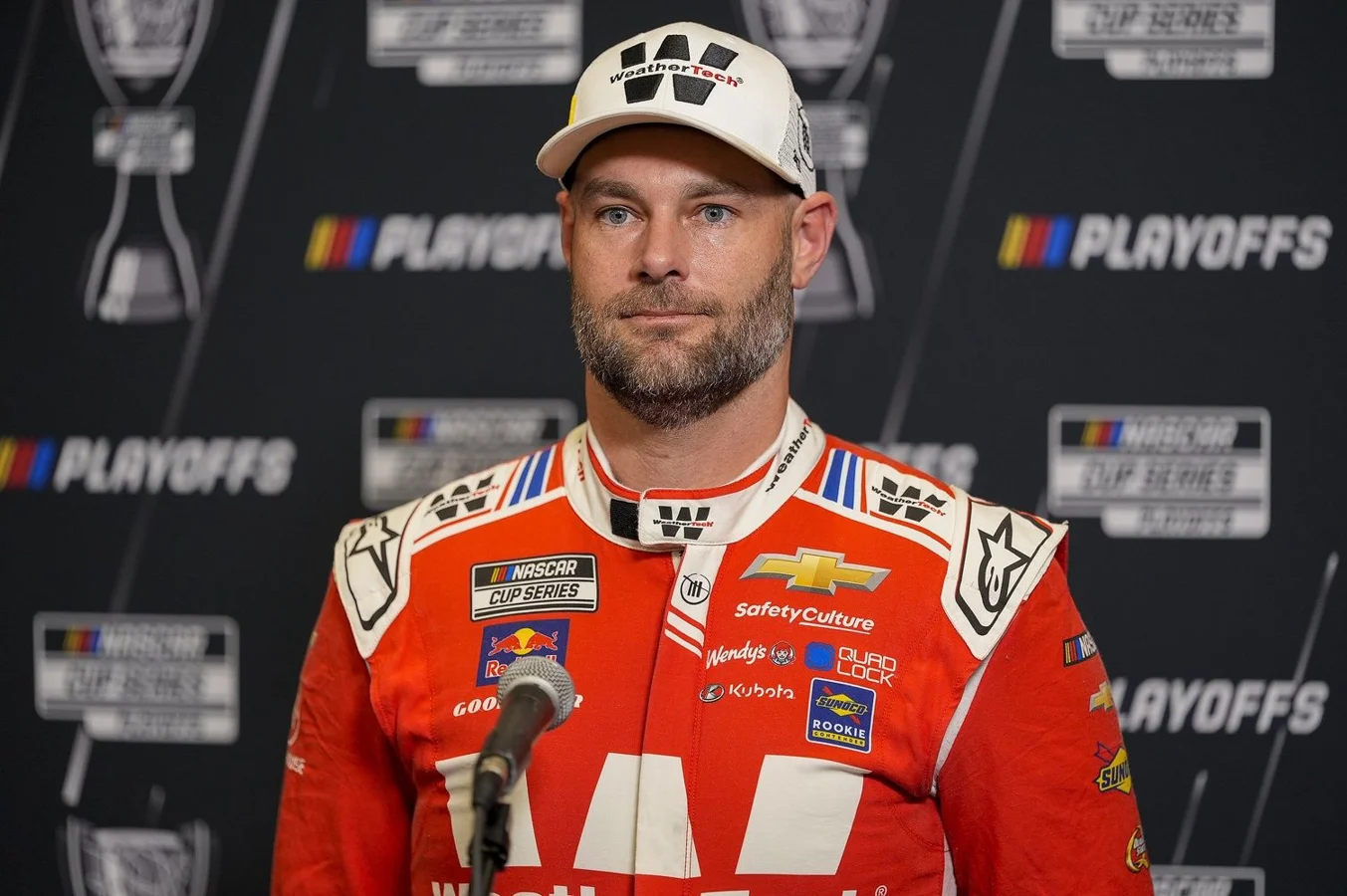
Trackhouse Racing drivers Ross Chastain and Shane Van Gisbergen faced criticism following their race at the World Wide Technology Raceway last Sunday, after they drove over grassy areas during their cool-down laps. This maneuver was widely interpreted as an attempt to collect debris on their cars’ tires to artificially increase their weight before post-race inspections. This practice has sparked a NASCAR controversy centered on Shane Van Gisbergen NASCAR Controversy and his teammate’s conduct.
NASCAR Responds to Tactic with Formal Warning and Upcoming Memo
Social media users quickly condemned the tactic, prompting an official response from NASCAR officials. Brad Moran, managing director of the Cup Series, announced that teams would soon receive a memo advising against driving off the track during cool-down laps. NASCAR is clearly signaling that any similar tactics to manipulate post-race inspections will not be tolerated.
Mike Forde, the managing director of communications, reinforced Moran’s message during an appearance on Hauler Talk. He stated,
“We did not care for it, not one bit. We’re going to just remind teams that this is something where we actually have a rule.”
Forde also added,
“I think we’re going to give (Trackhouse) a little bit of a warning. But there is a rule that says what they did — you could argue — broke a rule, and there could have been repercussions for it.”
Rule 6421.b and Its Implications for Post-Race Car Conditions
The relevant regulation, known as rule 6421.b, explicitly states that cars are under impound conditions immediately after the checkered flag. During this time, the vehicles must not be altered or adjusted before arriving at the inspection zone. NASCAR applies this to ensure fairness and integrity in weighing and inspecting the cars following a race.
This rule has been strictly enforced in the past, as evidenced by Hendrick Motorsports driver Alex Bowman’s disqualification after the Charlotte race last year due to his car failing the minimum weight requirement.
Playoff Teams Operating on the Edge of Weight Regulations
It appears Chastain and Van Gisbergen’s actions were driven by attempts to meet the minimum weight standards within NASCAR’s defined tolerance. Forde noted that several playoff cars are already dangerously close to the limits of the allowable post-race weight tolerance, which is set at 17 pounds over the base weight. He explained,
“In Darlington, we measured every single playoff car, and there were a couple of cars that were within a pound of almost failing and being DQd.”
Forde stressed that teams are calculating their setups precisely to skirt the boundary of the rules, posing escalating challenges for NASCAR’s enforcement efforts.
Potential Consequences and Future Enforcement Measures
NASCAR’s clear warning to Trackhouse Racing signals growing intolerance for such weight manipulation tactics. While the sanctioning body may issue warnings in some cases, they have the authority to impose penalties, including disqualification. Playoff drivers, in particular, must exercise caution to ensure their cars fully comply with all inspection requirements to avoid jeopardizing their championship bids.
This controversy underscores the ongoing tension between teams pushing competitive edges and NASCAR’s responsibility to maintain fair and consistent standards throughout the series.
