
Shane van Gisbergen, winner of the Chicago Cup race, spoke out about the frightening crash involving Cody Ware during the 2025 NASCAR Cup Series Chicago Street Race. Highlighting concerns over driver safety and race officiating, van Gisbergen stressed the need for better technology to help officials quickly assess crash severity and improve response times.
During the race, Ware’s No. 51 Ford suffered a brake rotor failure exiting Turn 6, causing him to hit a tire barrier head-on at nearly 93 mph. Despite the severity of the crash, NASCAR officials took 35 seconds to call a caution flag, delaying the response and preventing an overtime restart. This delay has raised serious questions about how crashes are monitored and managed during high-speed events.
Concerns Raised About NASCAR’s Crash Response and Safety Technology
Van Gisbergen emphasized to NASCAR reporter Claire B. Lang that officials may have underestimated the seriousness of Ware’s crash due to lack of real-time information. He noted how, in other racing series such as V8 Supercars, vehicles are equipped with G-sensors that automatically alert race control and medical teams when a significant impact occurs.
“I don’t think they saw the severity of the crash, or thought he could drive out. But I’m pretty sure in V8 supercars, when I left, the cars had like a G-sensor, or if you had a crash that was big enough, it would trigger that G-sensor to, you know, medical and probably race control.”
—Shane van Gisbergen, NASCAR driver
He added that implementing similar systems in NASCAR could prevent delayed caution flags and quickly mobilize safety crews, stating the distressing sight of Ware’s damaged car passing by the fans was “sickening to watch.” Despite his criticism, van Gisbergen acknowledged NASCAR’s progression on safety measures and expressed confidence that improvements will continue.
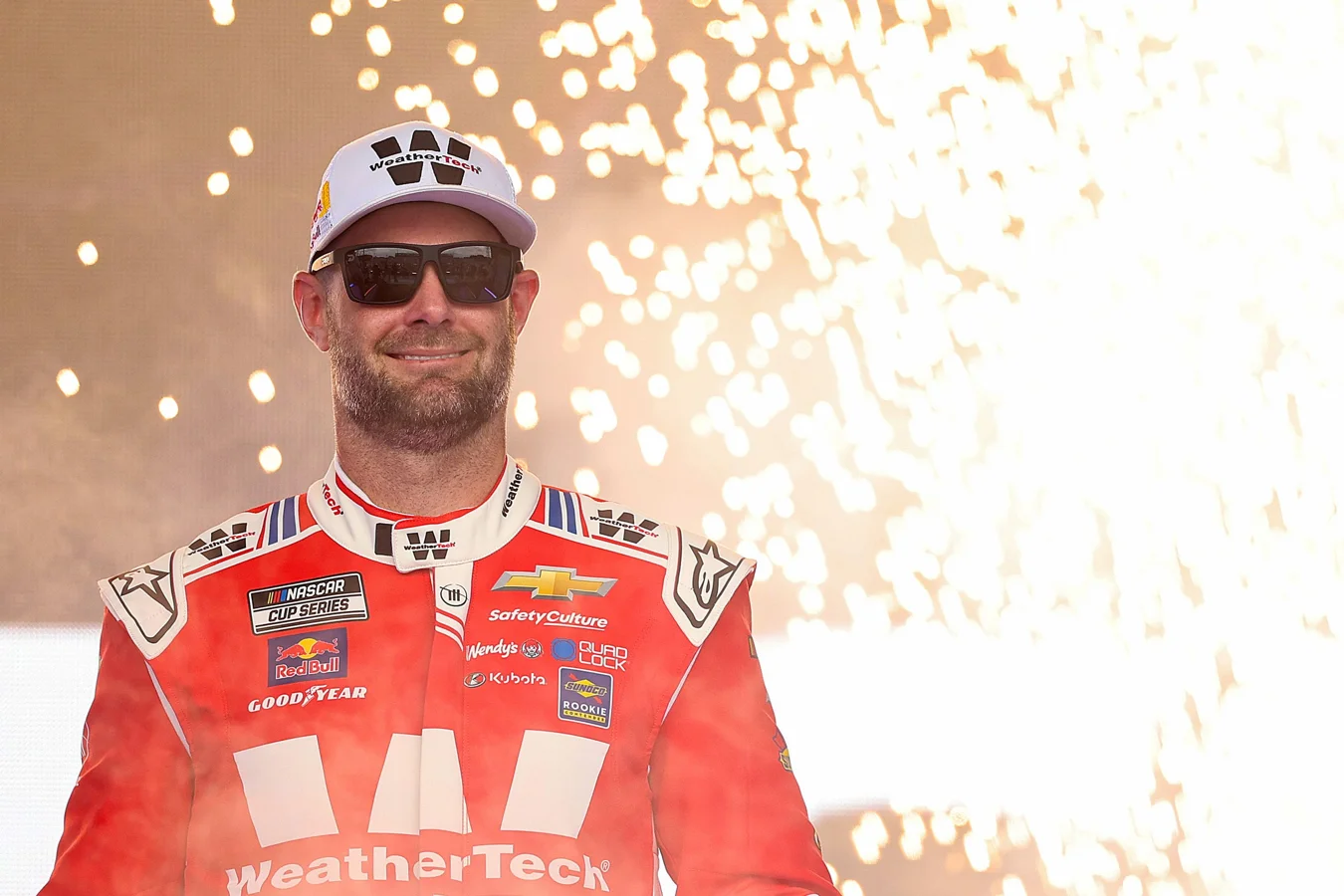
“And maybe that’s something we need here, if they don’t have it already, and you know, if the crash is big enough, you need someone to, you know, obviously looking at that fan version of the car passing by, it’s sickening to watch that. So yeah, I guess there needs to be something to be improved, but I feel like NASCAR in general is fast moving with that stuff, so I’m sure it’ll be better,”
—Shane van Gisbergen, NASCAR driver
In response to the incident, NASCAR officials explained that race control did not have immediate video footage of the collision, which delayed their recognition of the crash‘s severity. They admitted that if the impact had been visible sooner, the caution flag would have been issued immediately.
Shane van Gisbergen’s Journey from Supercars to NASCAR Stardom
Van Gisbergen’s rise in NASCAR has been remarkable since his full-time debut with Trackhouse Racing in 2023, driving the No. 88 Chevrolet. Formerly a Supercars Champion, he quickly became one of the sport’s most successful international competitors. However, his path to this level was not without turbulence.
In a candid appearance on The Athletic’s 12 Questions Podcast, van Gisbergen revealed how he almost left the racing world entirely back in 2012. Following a bitter legal battle and public backlash tied to his departure from Stone Brothers Racing, he faced intense frustration, putting his career in jeopardy.
“In 2012, at the end of that year, I was out of racing. I wanted to stop, and I sort of did stop. And then Dad (Robert) really convinced me to keep going, and we changed teams. It was a big legal sh** fight, and I ended up joining another team. It was really bad publicly, but I was able to just knuckle down and focus on my driving,”
—Shane van Gisbergen, NASCAR driver
The dispute originated when van Gisbergen left Stone Brothers Racing, which was transitioning into Erebus Motorsport and changing manufacturers. Initially citing personal reasons, he then signed with Tekno Autosports, prompting Stone Brothers Racing to allege breach of contract. The public legal conflict was eventually settled out of court, allowing van Gisbergen to refocus on racing.
Implications for NASCAR Safety and Future Technology
Cody Ware’s crash and the delayed response have intensified calls for NASCAR to adopt improved safety technology, such as automatic crash detection sensors. This incident highlights the critical need to enhance communication and visibility of crashes to protect drivers’ well-being and maintain the integrity of race management.
Van Gisbergen’s experience as both a driver and observer underlines how integrating advanced technology could prevent similar delays in the future, potentially avoiding dangerous situations on track. As NASCAR continues to evolve, these safety improvements are likely to become a focus to ensure faster, more effective responses in emergencies.
With safety being paramount in motorsports, the lessons from Chicago’s street race could accelerate the adoption of innovations, refining how officials handle on-track incidents and improving outcomes for drivers and fans alike.
Our Reader’s Queries
Q. Why did Shane van Gisbergen quit?
A. Shane van Gisbergen believes he made the correct decision by leaving Supercars to chase a career in NASCAR. This year, he begins his first full season in the NASCAR Xfinity Series with Kaulig Racing after spending 15 years in Supercars.
Q. How much did Shane van Gisbergen win in NASCAR?
A. Stewart-Haas Racing is shutting down after 16 years, mainly because they struggled to find sponsors for their four-car team. Stewart is leaving racing during a period of tension between NASCAR and its teams about the sport’s future.
