
Tony Stewart, a three-time NASCAR Cup Series champion, retired from full-time competition after the 2016 season, citing a change in philosophy rather than declining ability. He has since made clear that any potential return would depend on the series or tracks providing an environment where driver talent takes priority over aerodynamic advantages.
Stewart grew increasingly frustrated with how aerodynamics and engineering had taken center stage in NASCAR’s top rung as his career came to an end. At a 2017 press event for Stewart-Haas Racing to introduce Aric Almirola as the new driver of the No. 10 car, Stewart revealed his true stance on returning.
“If I come back, it won’t be in a Cup car,”
Stewart said with a grin, prompting gasps from the media. —Tony Stewart, NASCAR driver and team owner
The Generation Six NASCAR Car of Tomorrow, introduced to enhance competition and driver safety, limited innovation and placed greater emphasis on engineering. Although it improved safety measures, Stewart criticized it for constraining drivers’ ability to showcase their skills.
Rather than returning to the Cup Series, Stewart expressed interest in competing in select Xfinity Series road courses or the Truck Series race at Eldora Speedway.
“Everyone has talked about me running a Truck at Eldora. And you know, there are some road course races. I loved road course racing during my time as a Cup driver, so there are some road courses that Xfinity races on that I’ve never been to and I would like to try. I’ve explored doing that somewhere down the road,”
he added. —Tony Stewart, NASCAR driver and team owner
Among the tracks that appeal to Stewart is the Charlotte Roval, a combination road and oval track. His interest stems from a desire to race where driver skill and control are more influential than purely aerodynamic and mechanical horsepower factors. His goal is not merely to make a nostalgic appearance but to compete where driver input truly matters.
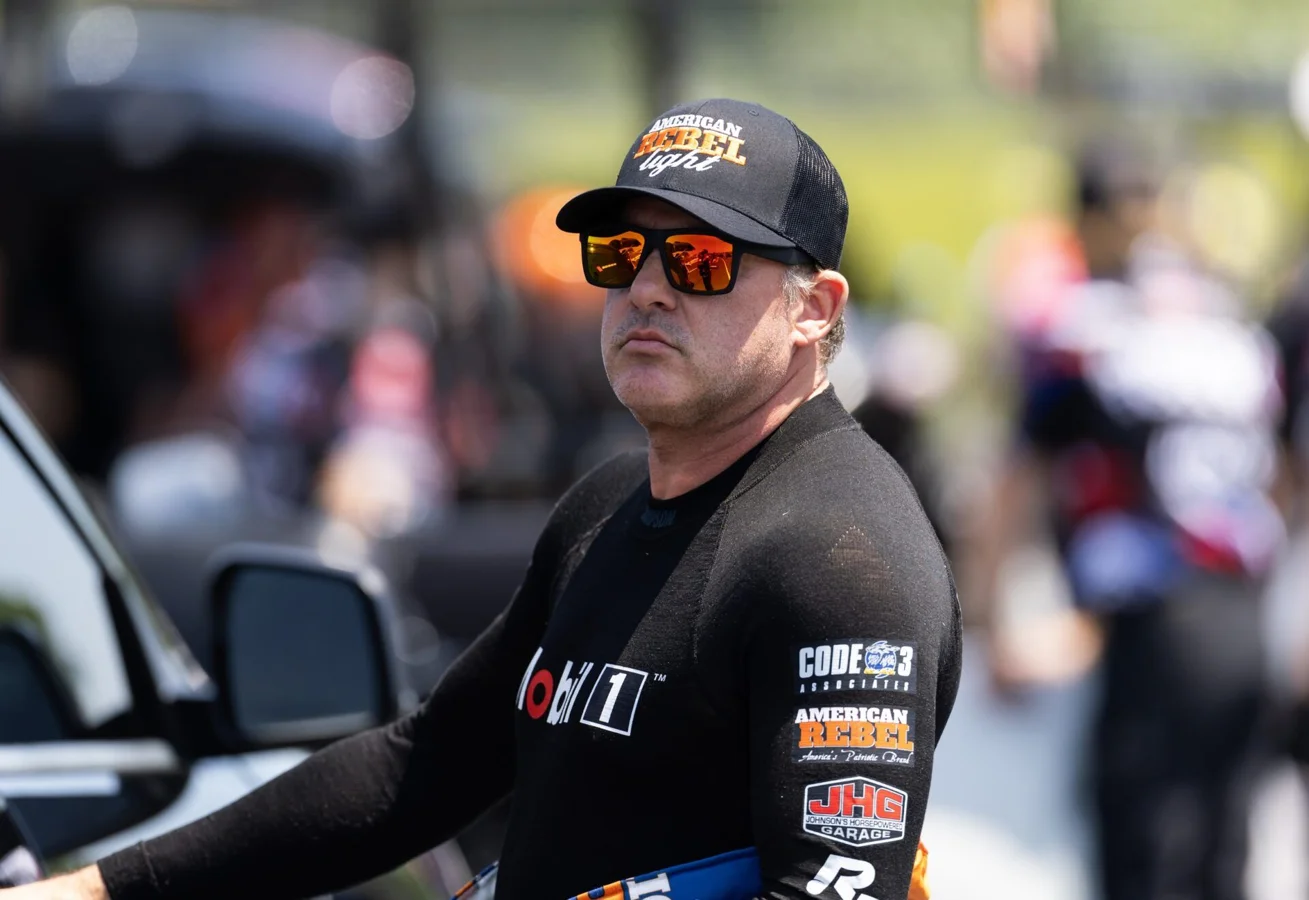
Stewart finished his full-time Cup career with 49 wins and three championships. His 2016 season included a dramatic victory on the Sonoma Raceway road course, which helped him qualify for the Playoffs, although he was eliminated in the Round of 16. By that time, he was already shifting focus to roles away from full-time driving.
Stewart’s Passion Lies in Dirt Tracks and Road Courses Emphasizing Driver Skill
Although Tony Stewart stepped away from full-time NASCAR Cup competition, his passion for racing behind the wheel persisted. In 2017, he committed to approximately 100 sprint car races in his dirt track No. 14 car, often competing alongside Donny Schatz. Stewart found the intense environment of grassroots dirt racing more fulfilling than the technologically dominated NASCAR circuits.
In November 2017, Stewart elaborated on his preference for racing formats driven by driver ability rather than aerodynamics and engineering.
“I wanted to race cars where I felt like I could make a difference. Road courses make you feel like you matter as a driver. I didn’t always feel that way on ovals last year because of the aerodynamics.”
—Tony Stewart, NASCAR driver and team owner
For Stewart, the increased reliance on downforce and advanced car setups in NASCAR had made driver influence less significant, turning races into engineering battles rather than tests of pure driving talent. This development clashed with his racing philosophy, which favors tracks where instinct and control determine outcomes.
Under Stewart’s ownership, Stewart-Haas Racing thrived, capturing the 2014 NASCAR Cup Series championship with driver Kevin Harvick. Meanwhile, Stewart’s own racing pursuits leaned heavily toward formats where direct competition, physical car control, and technical skill dominate. Dirt tracks, short ovals, and challenging road courses offer a stark contrast to the aero-driven nature of modern NASCAR Cup racing, providing the kind of unfiltered competition that Stewart cherishes.
