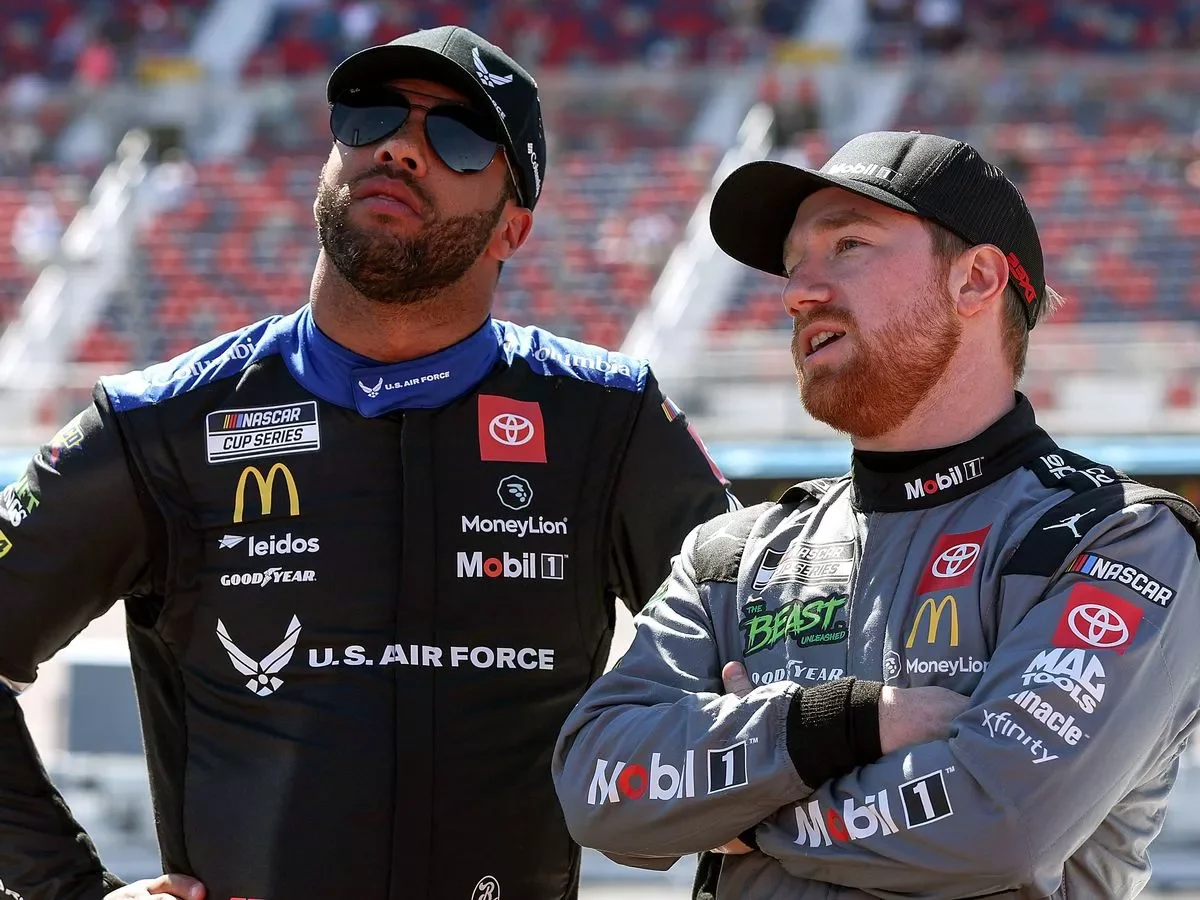
This weekend, NASCAR ventures beyond the United States for the first time since 1958, with the race taking place at Mexico City’s Autódromo Hermanos Rodríguez. Situated nearly 7,500 feet above sea level, this track’s elevation greatly surpasses other stops, including Las Vegas Motor Speedway by over 5,000 feet. Such altitude imposes significant physical demands on drivers due to reduced oxygen levels, requiring them to focus on endurance as much as speed. Among those adapting to these extraordinary conditions is 23XI Racing’s Tyler Reddick, who, along with other drivers, has employed unique methods like hypoxic training to prepare his body for the thin air and intense race conditions.
Tyler Reddick’s Intensive Hypoxic Training and Family Sacrifices
Leading up to the Mexico City race, Tyler Reddick took his preparation seriously, spending nights inside a hypoxic tent that simulates high-altitude oxygen levels. This regimen aimed to help him acclimate to the diminished oxygen at nearly 7,500 feet and reduce the risk of altitude sickness during the competition. However, this intense focus on performance came at a personal cost. Reddick’s wife, Alexa DeLeon Reddick, was in the late stages of pregnancy during this time, making the hypoxic tent routine a concern at home.
Tyler acknowledged the tension this caused, saying,
Image of: Tyler Reddick
“One side effect of it is my wife hasn’t been super happy about me sleeping in a hypoxic environment, especially at the later stages of her pregnancy,”
—Tyler Reddick.
While the hypoxic training provided a competitive edge for the demanding race conditions, it strained family life as Reddick balanced fatherhood with his rigorous training routine. The couple welcomed their second child on May 25, just days before the NASCAR Coca-Cola 600 race.
Balancing Racing Ambitions with Family Responsibilities
Despite gaining a significant advantage through hypoxic training, Reddick admitted that maintaining such a regimen after the race would be challenging due to family dynamics. He joked about the home front reaction:
“My wife would throw a fit if I come home from Mexico and I’m like, ‘Yeah, we’re going to keep this tent thing going.’ She might put the tent outside,”
—Tyler Reddick.
This highlights the difficulties athletes face when demanding physical preparations clash with personal and family life, especially during major life events such as welcoming a new child.
Toyota’s Coordinated Approach to Altitude Preparation
Reddick’s hypoxic tent training was part of a broader, well-planned effort by Toyota to help their drivers face the unique challenges of Mexico City’s altitude. The initiative began early in the season when driver Christopher Bell raised concerns about the effects of racing at such elevation.
Bell explained the collaborative approach:
“We started that early in the season, just talking and getting a plan together, making sure we’re prepared for it,”
—Christopher Bell.
He praised the Toyota Performance Center’s dedication to driver fitness, especially the leadership of Caitlin Quinn, who spearheaded the physical training program. Bell expressed hope that this preparation would translate to success on race day:
“I’m proud of everyone at Toyota, the Toyota Performance Center. Caitlin Quinn has really headed up the department of physical fitness and made sure we’re ready for this challenge. Hopefully, the Toyota drivers are the ones that are succeeding.”
—Christopher Bell.
This coordinated effort combined scientific approaches with physical training to boost driver endurance and performance in low-oxygen conditions.
New Fatherhood and Racing Triumphs Collide
Just a week before racing at the Cracker Barrel 400 at Nashville Superspeedway, Tyler Reddick and his wife welcomed their second son, named Rookie, at 2:20 AM on May 25. The arrival closely preceded a demanding race weekend, adding emotional depth to Reddick’s competition schedule.
The announcement of Rookie’s name and the family’s celebration took social media by storm, with fans embracing the tender moment. A photo showed big brother Beau cradling the newborn, while a video of Rookie peacefully sleeping in his hospital crib further endeared the family to supporters. Tyler expressed his gratitude, calling the moment a true blessing.
Amid the intense preparations and racing commitments, the joy of expanding his family turned the weekend into a broader celebration, with congratulatory messages flooding online platforms, blending well-wishes with lighthearted racing-themed jokes.
The Cost of Hypoxic Training Beyond the Track
Tyler Reddick’s use of hypoxic training demonstrates the lengths drivers will go to gain an edge in unprecedented racing conditions. While it offers physical advantages essential for competing at high altitudes, such methods can create personal challenges as family life and career demands collide. The tension between drive for excellence and domestic balance captures the personal sacrifices behind the thrill of professional racing.
As NASCAR continues to expand its geographic reach and encounter unique challenges like Mexico City’s elevation, athletes and teams will likely innovate further, pushing boundaries in physical preparation. Yet, Tyler Reddick’s story reminds fans of the human element behind these efforts—where performance gains may come with sacrifices at home. The coming races will reveal how these training methods impact results and whether drivers can maintain harmony off the track while chasing speed on it.