
Shane van Gisbergen faced a harsh lesson during his rookie NASCAR Cup Series season at Bristol Motor Speedway when William Byron’s No. 24 Chevrolet brushed the rear of van Gisbergen’s Kaulig Racing car, sending him spinning late in Stage 2. The collision at the high-banked concrete track highlighted the unforgiving nature of NASCAR racing, especially for newcomers trying to find their footing.
The contact was subtle but critical, illustrating how minor miscalculations can drastically change a driver‘s race outcome. This moment perfectly captured the challenges rookies face in a highly competitive environment, marking an intense chapter in van Gisbergen’s early NASCAR career.
The Sequence of Events on Bristol’s Demanding Track
As Stage 2 neared its end, Bristol’s intensity was at its peak, with worn tires and fierce competition making track space especially valuable. Van Gisbergen found himself navigating the difficult “marbles,” the loose rubber buildup at the top of the track that reduces traction and destabilizes a car.
Attempting to manage his car’s grip, van Gisbergen slowed to regain control. However, William Byron, engaged in a crucial playoff race and unwilling to ease off, made contact with van Gisbergen’s vehicle. The slight clip to the rear caused van Gisbergen’s car to spin on the backstretch, abruptly ending his race momentum.
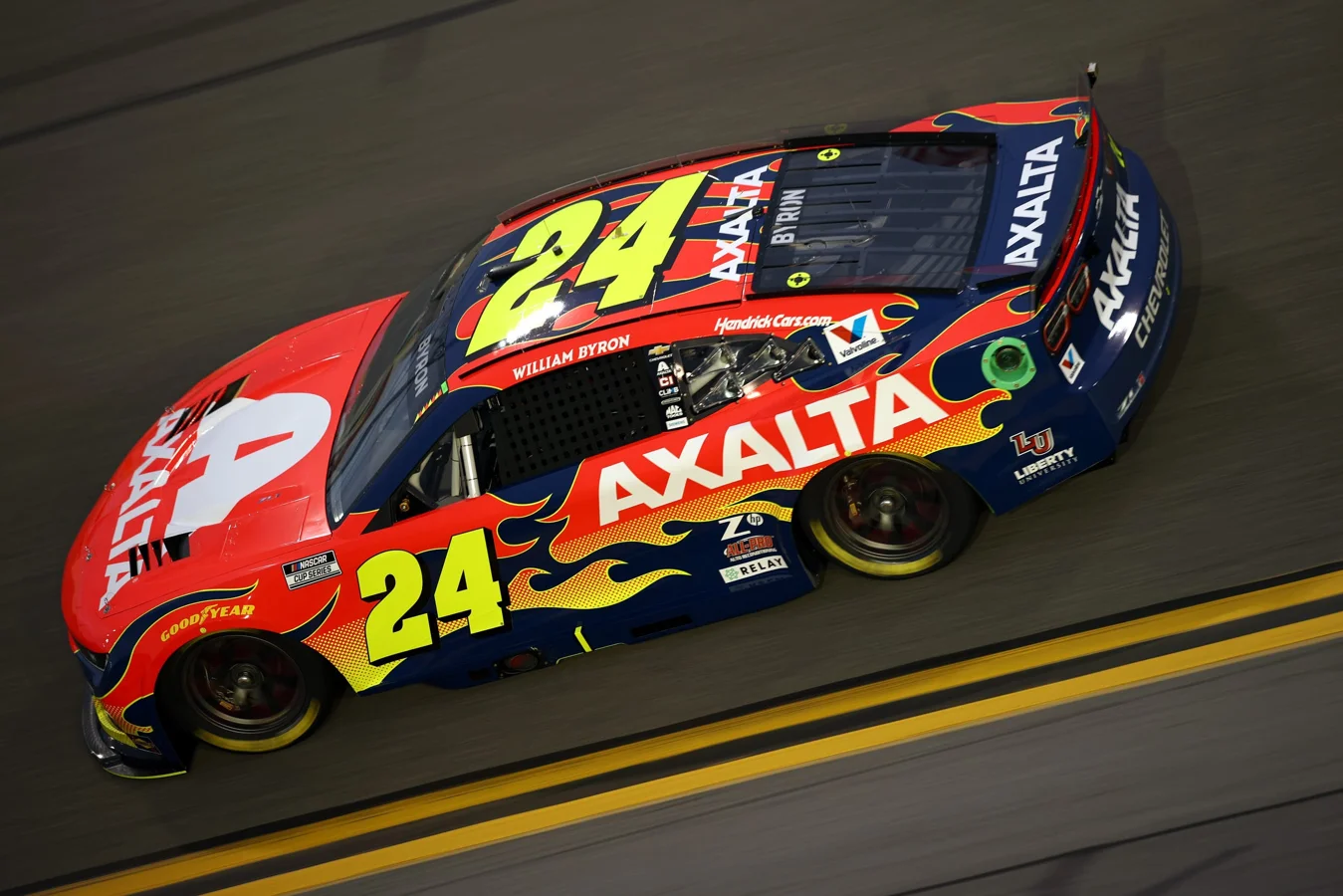
This collision was born from high stakes and split-second decisions made by experienced and rookie drivers alike, underscoring the fine line between controlled aggression and disaster on Bristol’s demanding surface.
The Emotional Toll and Nature of Bristol Racing
Though the incident was frustrating for van Gisbergen, there was no evidence of intent or hostility on Byron’s part—just the brutal competitiveness Bristol racing demands. Byron was locked in a playoff battle, where every point is crucial, while van Gisbergen was still adapting to the fast-paced, wheel-to-wheel oval racing style.
For van Gisbergen, who holds an accomplished record in V8 Supercars with an assertive driving style, adjusting to NASCAR’s relentless pressures has been a steep learning curve. The spin was a stark reminder that this racing environment requires more than skill; it demands anticipation of other drivers’ tactics and a heightened awareness of constant threats from all sides.
The incident laid bare how NASCAR’s crowded fields create situations where even a slight misstep or positioning error can make a rookie a casualty in someone else’s fight for victory.
How This Incident Influences Van Gisbergen’s NASCAR Development
Every on-track experience contributes to van Gisbergen’s growing knowledge of Cup Series nuances. This Bristol spin exposes critical lessons about managing track position during intense battles late in stages, the hazards of running high in the groove, and coping with pressure from veteran competitors.
Far from defining his career negatively, the spin represents a formative moment, one that will deepen his understanding of NASCAR’s demanding environment. Van Gisbergen is expected to channel the setback into motivation, improving his racecraft and awareness to better contend in future events.
In high-stakes racing, resilience often separates champions from contenders, and for a driver with van Gisbergen’s background, these difficult moments serve as fuel to enhance his competitive edge going forward.
