
On July 4, 2025, Dale Earnhardt Jr., the celebrated NASCAR Hall of Famer, shared a remarkable piece of history that intrigued fans and drivers alike. He posted a 1983 newspaper clipping revealing that the Firecracker 400, held at Daytona International Speedway, was never rained out during its first 24 years, from 1959 to 1982. This impressive record was credited to the race’s original 10 a.m. start time, the earliest for a primary NASCAR event, devised specifically to avoid Florida’s frequent afternoon thunderstorms.
Earnhardt described this piece of trivia as “wild,” acknowledging how the early start was a clever tactic by NASCAR to conclude the race before storms could disrupt the event. This approach, which seems innovative even today, ensured uninterrupted racing for over two decades by capitalizing on Florida’s predictable weather patterns.
William Byron’s Sharp Take on NASCAR’s Old Rain-Savvy Schedule
Shortly after Earnhardt’s post, William Byron, the 2022 NASCAR Cup Series champion, added a sharp, humorous comment to the conversation. Byron remarked simply, “What a novel concept.” His brief but pointed phrase playfully highlighted how effective and straightforward the solution was — moving the race to morning hours to secure more than 9,000 consecutive rain-free laps.
Byron’s remark underscored the contrasting approaches within NASCAR schedules, reflecting on how practical planning once outweighed today’s focus on entertainment. The strategy involved meteorologists and NASCAR officials identifying Florida’s consistent pattern of afternoon storms every July and adjusting race timing accordingly. This practical insight allowed the Firecracker 400 to proceed without interruption during those initial 24 years.
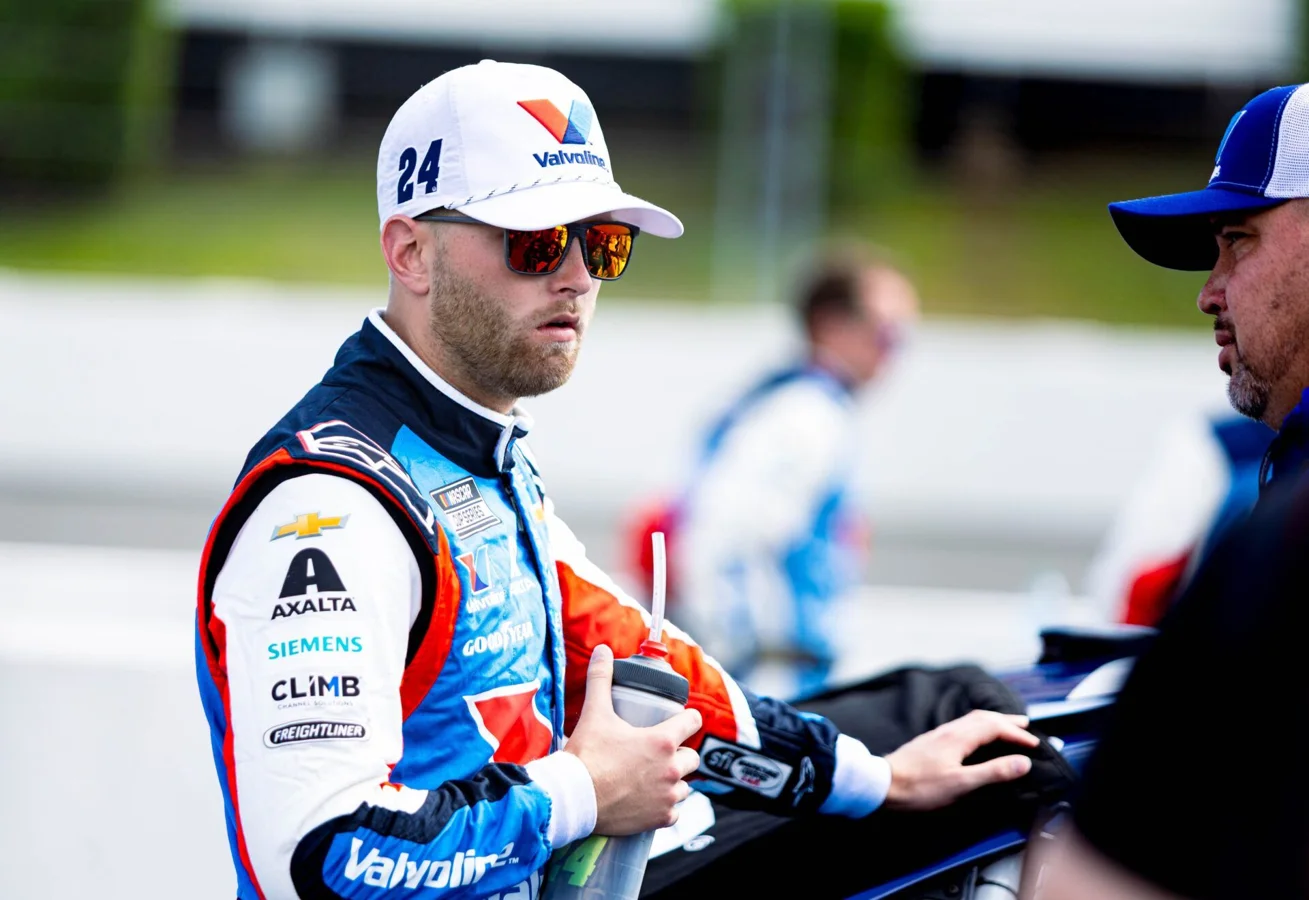
The early start was not just a matter of convenience but a deliberate maneuver to outsmart the weather, allowing drivers to race in cooler morning temperatures and avoid the usual storm cells that populated Florida afternoons.
The Shift from Practicality to Spectacle in NASCAR Race Scheduling
Byron’s wry observation also serves as a reflection on how NASCAR’s priorities have transformed. Whereas once the sport emphasized straightforward solutions like the early start to avoid rain delays, today’s races often prioritize television ratings, prime-time airtime, and sponsorship deals. Starting a major race before breakfast would now seem outdated given the elaborate pre-race entertainment and celebrity involvement that accompany modern events.
The Firecracker 400 itself has undergone numerous changes over the decades. Originally a morning race on July 4, it evolved into a night race and rebranded as the Coke Zero Sugar 400, usually held in early August. These changes, while increasing spectacle and excitement through nighttime fireworks and dramatic finishes, have reintroduced vulnerability to weather delays that the morning schedule had avoided. Longtime fans note this irony, remembering when NASCAR’s early timing was a clever workaround against Florida’s storms instead of trying to work around weather disruptions.
Byron’s tweet captures this sentiment perfectly, suggesting that sometimes, the simplest and oldest ideas were indeed the best — even if they lacked today’s flashiness.
