NASCARdriversKyle Larson and William Byron have spoken out about the lasting effects the 2006 comedy Talladega Nights: The Ballad of Ricky Bobby has had on the sport’s public image. Nearly two decades after the movie’s release, both Hendrick Motorsports teammates express concern that the film’s exaggerated and comedic portrayal continues to shape how many casual fans and viewers see NASCAR today, overshadowing the sport’s true essence.
Talladega Nights, starring Will Ferrell as the titular racing hero and Sacha Baron Cohen as the French rival Jean Girard, was a box office success grossing $163 million in 2006, coinciding with NASCAR’s peak popularity. The same year, the Daytonarace garnered an unprecedented 19.4 million viewers, marking it the most-watched NASCAR event ever. Despite this, Larson criticizes the movie’s framing of the sport.
Kyle Larson Shares His Disappointment with How the Film Influences Public Perception
On the Games with Namespodcast, Kyle Larson revealed his mixed feelings about the film’s influence, highlighting how it undercut NASCAR’s credibility. While acknowledging it as a popular racing movie, Larson remarked,
“I liked the movie. Think it did not do anything good for our sport. I think it turned our sport into a joke, unfortunately.”
—Kyle Larson, NASCARDriver
Larson, who won the 2021 Coca-Cola 600, worries that the exaggerated comedic elements from Talladega Nights now dominate the general public’s view. He further noted,
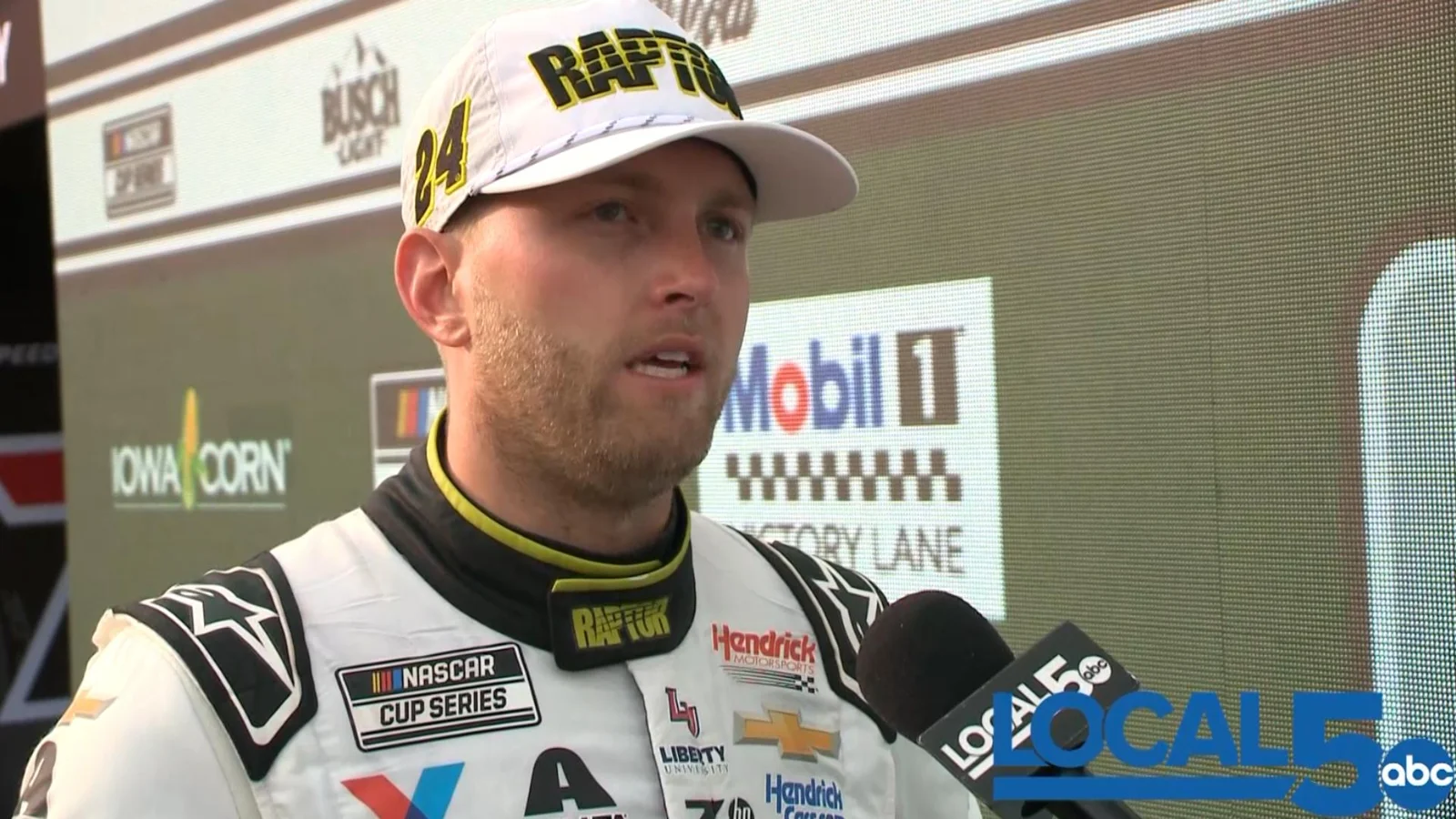
Image of: William Byron
“That’s gotta be one of the most popular racing movies. … But the rest of the world, I feel like that’s what they think of our sport now.”
—Kyle Larson, NASCARDriver
His concern lies in how the film’s satirical approach has eclipsed the technical skill, athleticism, and strategic depth involved in stock car racing. Instead of recognizing the complexity and competition in NASCAR, many people remember Ferrell’s outlandish antics and the caricature-like depiction of racing culture.
William Byron Supports Larson’s View, Highlighting a Shared Frustration
William Byron quickly endorsed Larson’s criticism when it garnered widespread attention on social media. Retweeting the original comments, Byron added,
“100%. Should not be the first thing people think of.”
—William Byron, NASCARDriver
The solidarity between the two drivers indicates that this sentiment goes beyond one individual’s opinion. Both see a disconnect between the sport’s authentic moments of intense competition and the caricatured imagemany outsiders associate with NASCAR after watching the comedy. Their shared frustration points to a deeper problem in how NASCAR is perceived by those outside the fanbase.
The Irony Behind Talladega Nights’ Influence on NASCAR’s Popularity
Despite the criticisms, there is an inherent irony in how Talladega Nights brought mainstream attention to NASCAR while potentially harming its reputation. The film poked fun at the sport’s commercial aspects, corporate team structures, and Southern lifestyle stereotypes through its sharp sarcasm. Even NASCAR legend Dale Earnhardt Jr. made a cameo, appearing as himself to autograph a win for Ferrell’s character, signaling how the sport’s insiders accepted or embraced the film’s cultural moment.
For many fans, the movie remains a comedic classic, with catchphrases like John C. Reilly’s “Shake and Bake” monologue still celebrated and merchandise inspired by the film enjoying popularity. The comedy captured the imagination of a broad audience, making NASCAR a pop culture reference point beyond racing enthusiasts.
Nevertheless, lines such as Reese Bobby’s memorable declaration,
“Always remember, if you ain’t first, you’re last!”
—Reese Bobby, Fictional Character
underscore the film’s tendency to oversimplify the sport, which continues to frustrate drivers who want their skills and the sport’s complexity to be recognized.
How These Perspectives Might Shape NASCAR’s Future Image
The concerns voiced by Kyle Larson and William Byron shine a light on the ongoing challenge NASCAR faces in managing its public image. As the sport evolves, addressing misconceptions rooted in popular culture could be essential for attracting new fans who appreciate its technical and competitive nature.
By acknowledging the nuances lost in comedic portrayals, NASCAR and its drivers may find ways to balance entertainment appeal with authentic representation. The conversation sparked by Larson and Byron emphasizes the urgent need for narratives that highlight the precision, dedication, and drama inherent in stock car racing, moving beyond the simplistic, humorous stereotypes from Talladega Nights.