
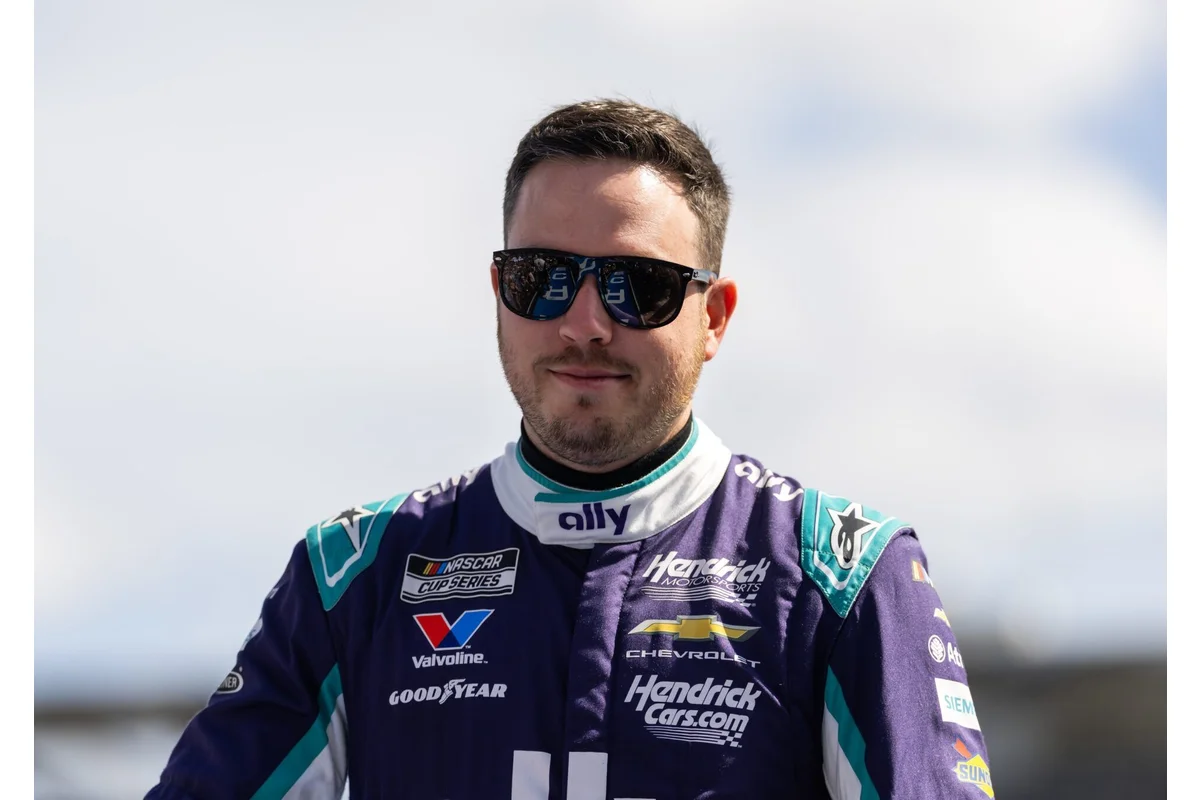
Alex Bowman, the NASCAR driver for Hendrick Motorsports, is facing uncertainty regarding his racing future after being diagnosed with vertigo. The diagnosis came shortly after Bowman experienced severe dizziness during the NASCAR Cup Series race at Circuit of the Americas (COTA) in Texas. As a result, he was forced to exit the race on March 6, 2026, and has now been ruled out for the upcoming race at Phoenix Raceway, raising questions about how long he will be sidelined and if he will return to competition this season.
Details Behind Bowman’s Absence from Phoenix Race
Hendrick Motorsports officially confirmed that Bowman will miss the Phoenix Cup Series race due to his vertigo diagnosis. During the COTA race, Bowman struggled visibly before pulling into the garage by Lap 73, where crew members assisted him, and he was taken to the infield care center. Initially, many assumed the extreme Texas heat was the cause, but further examination revealed the serious health issue of vertigo.
Anthony Alfredo was announced as Bowman’s temporary replacement driver for the No. 48 Chevrolet at Phoenix, stepping in on short notice. Notably, during Bowman’s exit at COTA, Myatt Snider had already been called on to finish the race after Bowman withdrew. Snider was previously at the track assisting FOX broadcaster Jamie Little as a spotter on pit road.
“Yeah, I’m pretty well f***ed here, buddy,”
This was Bowman’s radio message while struggling during the COTA race. The words immediately raised alarm within his team and the NASCAR community, highlighting the gravity of his condition.
Medical Overview: Understanding Vertigo and Its Risks
Vertigo is more than just brief dizziness; it creates a disorienting sensation where either the person or their surroundings feel like they are spinning. Symptoms include nausea, headaches, loss of balance, blurred vision, and difficulty focusing, which pose significant risks for anyone operating a vehicle at high speeds. For Bowman, competing at velocities over 150 mph, any balance or spatial awareness impairment could have potentially catastrophic results.
Estimates show that around 40% of adults in the United States experience vertigo at some stage, with about 15 million suffering from chronic cases. For professional race car drivers, whose performance relies heavily on precise physical and mental coordination, vertigo threatens both their safety and ability to compete.
Treatment Options and the Road to Recovery
Vertigo treatment often involves a combination of medication, physical therapy, and lifestyle modifications. Common therapeutic approaches include vestibular rehabilitation therapy, designed to help patients regain balance, and specific maneuvers such as the Epley maneuver, which repositions inner ear crystals that may trigger vertigo episodes. Additionally, patients are advised to avoid sudden head movements, rest adequately, and maintain proper hydration.
However, recovery times differ widely—some individuals heal within weeks, while others experience symptoms for many months or even years. This unpredictable timeline complicates Bowman’s potential return to racing, as premature attempts could jeopardize both his safety and that of fellow competitors.
Perspectives on Bowman’s Condition and Prospects for Return
Jeff Andrews, President of Hendrick Motorsports, expressed cautious optimism about Bowman’s health but emphasized the team’s commitment to prioritizing his recovery. In an official statement, Andrews said,
“We’re encouraged by the progress he’s making, but we have to prioritize his health above all else. It’s obviously frustrating for him because he’s a competitor and wants to be in the race car, especially at his home track. We’ll continue to support Alex and look forward to his return as soon as he’s medically cleared.”
Meanwhile, analysts and fans alike are anxious about Bowman’s long-term future. A social media post by commentator Alex Kerner reflected the somber mood within the community, warning about the challenges Bowman’s history of medical issues might present.
“Vertigo is not a one week cure. And with all Bowman’s previous medical issues, I don’t see him coming back. Such a shame, he and his fans don’t deserve this fate.”
These remarks capture the tension and disappointment surrounding a driver widely respected for his talent and determination.
Implications for NASCAR and Bowman’s 2026 Season
Hendrick Motorsports plans to apply for a medical waiver that would allow Bowman to remain eligible for the 2026 NASCAR Cup Series championship despite his absence at Phoenix. While this provides some reassurance about his ability to stay in contention, the timeline for his return remains uncertain. If symptoms persist, Bowman could miss a significant portion, or all, of this racing season as he focuses on treatment and recovery.
The potential long-term effects of vertigo on a high-speed competitor highlight the risks associated with the sport. Even brief episodes of dizziness at speeds exceeding 180 mph present dangerous circumstances for both the driver and others on the track. This reality means rushing back prematurely is not an option.
Broader Impact and the NASCAR Community’s Response
Bowman’s diagnosis has sparked widespread concern and support among fans, peers, and the wider NASCAR community. His perseverance and accomplishments have earned him a loyal following, and many are hopeful he will overcome this setback. However, the uncertainty around vertigo’s duration means this period is filled with anxiety and frustration for those invested in his career.
The situation also underscores the importance of driver health and safety protocols within motorsports, shining a light on the physical demands and risks drivers face. Hendrick Motorsports’ decision to prioritize Bowman’s well-being reflects growing attention to medical issues that affect not only performance but lives.
As Bowman undergoes treatment, the coming weeks and months will be critical in determining if he can safely resume racing or if this diagnosis signals a longer pause, or possibly the end, of his competitive driving career.
Vertigo is not a one week cure. And with all Bowman's previous medical issues, I don't see him coming back. Such a shame, he and his fans don't deserve this fate. https://t.co/AtGmRhTwB3
— Alex Kerner (@psychedalex68) March 5, 2026
