
Bernie Ecclestone, the former commercial rights holder of Formula 1 from 1987 to 2017, has warned that the sweeping regulation changes coming in for the 2026 F1 season could alienate fans. These alterations dramatically affect both the car chassis dimensions and the power units, emphasizing a greater role for electrical energy. Ecclestone believes these shifts risk confusing both drivers and spectators, potentially diminishing the sport’s appeal.
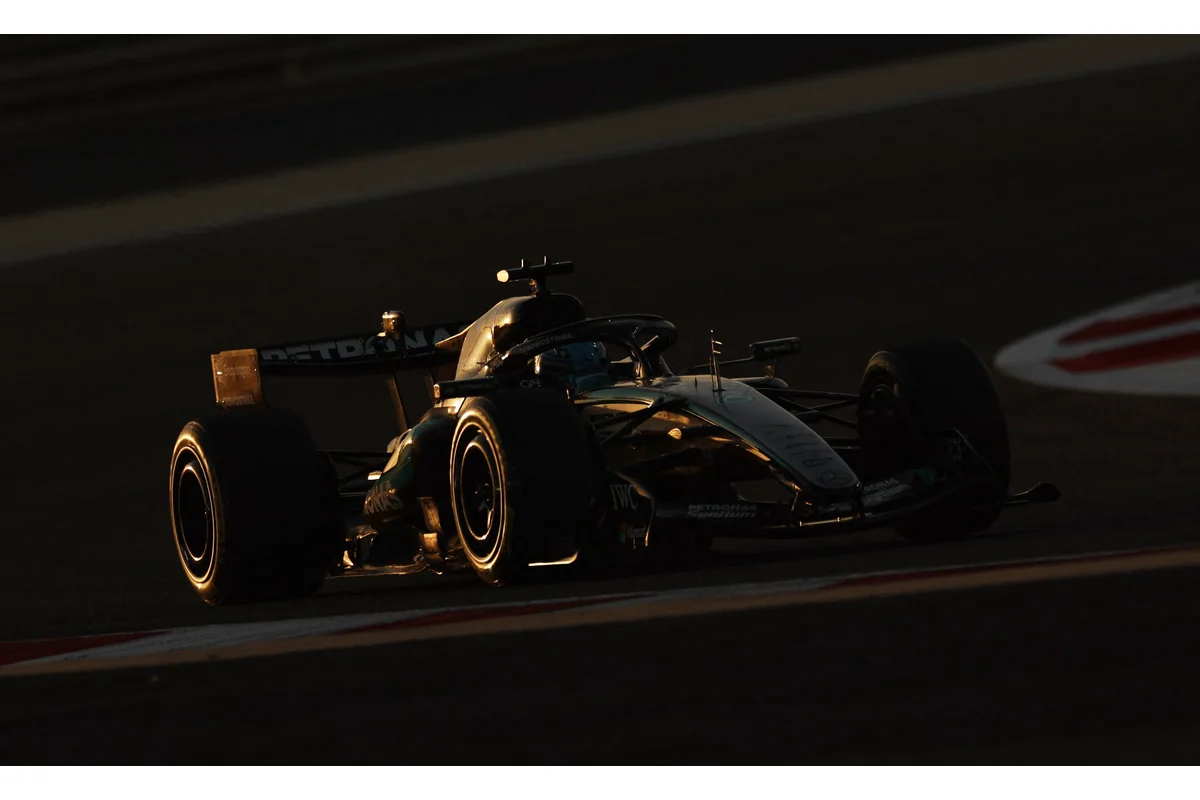
The upcoming season’s cars will be smaller, lighter, and more agile compared to 2025’s models. Notably, the power units now rely on almost a 50-50 combination of electrical energy and internal combustion engines running on fully sustainable fuels. This major change demands that drivers carefully manage their energy throughout races and qualifying sessions, including the strategic use of features like the boost button and overtake mode, which require sufficient battery charge to maximize performance.
How New Power Unit Rules Are Changing the Sport
With the electrical power portion tripling compared to last year, the 2026 regulations place increased emphasis on battery management during every lap. Drivers face new challenges balancing speed with the efficient use of energy, transforming how races unfold on track. The shift toward a sustainable fuel and hybrid power combination marks a significant technological evolution but also introduces greater complexity in race strategy.
Max Verstappen’s Critique of the New Season
Four-time world champion Max Verstappen has voiced clear frustration regarding the 2026 regulation changes. After pre-season testing in Bahrain, he described the new cars as “not a lot of fun” to drive, citing the heightened focus on managing energy rather than pushing flat-out speed. Verstappen compared the sensation to “Formula E on steroids,” pointing out the divergence from traditional F1 driving dynamics.
And for me, that’s just not Formula 1, because maybe it’s then better to drive Formula E, right? Because that’s all about energy, efficiency and management. That’s what they stand for.
?Max Verstappen, F1 Driver
Verstappen acknowledged all teams face the same rules, emphasizing fairness in competition, but highlighted that the new demands diminish the pure driving enjoyment he expects from Formula 1. His comments reveal a tension between the sport’s technological progress and maintaining the racing spectacle fans cherish.
Ecclestone Highlights Risks to Fan Engagement and Racing Spirit
Ecclestone has echoed concerns about the impact on the sport’s essence and audience retention, pointing to the increasing regulatory complexity. Speaking to Sport.de, he stated:
There will be confusion at the start of the season because everyone has to relearn Formula 1,
And the rules certainly don’t favour Max Verstappen and his style of driving. It’s less about racing. But that’s how things are developing: more regulations, more rules for the drivers, ‘don’t do this, don’t do that.’
?Bernie Ecclestone, Former F1 Chief
It’s a drivers’ world championship and not an engineers’,
Formula 1 is now competing more with Formula E. Maybe the fans like that, but I don’t think so.
The danger is that we’ll lose the fans. I sincerely hope I’m wrong.
?Bernie Ecclestone, Former F1 Chief
His remarks underline a worry that the sport’s evolving technology and intricate rules may overshadow the drivers’ skills, risking disconnection with traditional F1 followers who expect high-speed, wheel-to-wheel racing.
F1 Leadership Engages with Concerns Around New Cars
In response to Verstappen’s critical remarks, current Formula 1 boss Stefano Domenicali confirmed that he has spoken with the driver. Domenicali noted that while Verstappen was initially negative about the new cars, he grew more accepting as testing progressed. This dialogue indicates an awareness within the sport’s leadership of the challenges posed by the 2026 regulation changes and the need to balance innovation with fan and driver satisfaction.
As the 2026 season approaches, F1 faces a pivotal moment where its technological direction will be closely scrutinized by fans, drivers, and stakeholders. How well the sport manages this transition may determine the future size and passion of its global audience, as well as the essence of its competition on track.
