
During the NASCAR Cup Series event last Sunday at Circuit of the Americas in Austin, drivers faced extreme heat as temperatures soared into the mid-80s. The 95-lap race over the demanding 2.4-mile, 20-turn track exposed weaknesses in cooling equipment, leaving several drivers, including Brad Keselowski, dealing with failing cooling suits. This issue has become a pressing concern for team owners trying to maintain driver safety and comfort under grueling conditions.
Keselowski, co-owner of RFK Racing and driver of the No. 6 Ford, endured significant discomfort throughout the race, finishing in 20th position despite being drenched in sweat. This scenario echoed a similar incident at the same track last year when his cooling system malfunctioned, forcing him into 15th place but necessitating immediate medical attention after exiting the car.
Medical Intervention Highlights Seriousness of Heat-Related Failures
Following last year’s race, Keselowski was taken from pit road on a stretcher by crew members and treated at the infield care center. Team officials confirmed his cooling suit had ceased functioning, and intravenous fluids were administered to aid his recovery. Experiencing this firsthand, Keselowski is deeply familiar with the extreme temperatures inside the cockpit, which can reach dangerous levels despite outside heat conditions.
In a pre-race discussion ahead of the weekend at Phoenix Raceway, Keselowski addressed how teams handle the balance between driver comfort and vehicle performance, particularly regarding cooling systems. He emphasized,
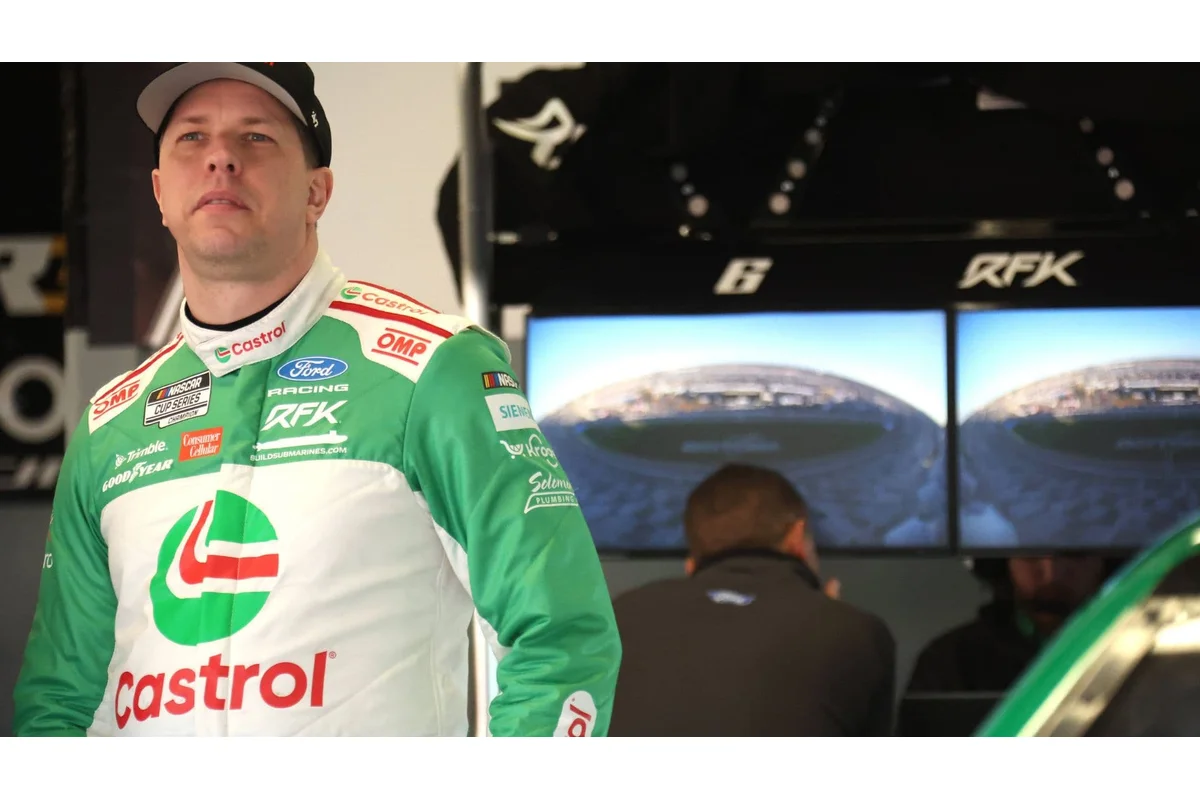
“Our group, we let the teams have that autonomy of what they want to run, so if the driver wants to run a cool shirt, he runs a cool shirt.” ?Brad Keselowski, RFK Racing Co-owner and Driver
He added bluntly about the challenges behind cooling suit failures, stating,
“And we try to provide the necessary engineering support to make sure that there isn’t an issue. I had one last year where we probably didn’t do a good enough job with that, and we came back in and buttoned it up. Cool suits are a tough thing because they’re not designed in our environment to fail to safe, so when they fail, it’s fairly devastating, and occasionally those things are gonna happen.” ?Brad Keselowski, RFK Racing Co-owner and Driver
Keselowski described the situation as regrettable and underlined the ongoing pursuit among teams to find better solutions.
Technical Factors Contributing to Overheating Inside the Car
Despite efforts, a universally reliable cooling system remains elusive in the NASCAR Cup Series. The unique nature of heat build-up inside the car goes beyond the outdoor climate experienced by spectators. The current car model channels hot air from the radiator around the A-post into the driver’s compartment, a marked difference from previous designs.
In earlier generations, such as during the Gen-6 era, teams sometimes removed side windows on road courses and short tracks to improve airflow and reduce cockpit temperature. However, this tactic is unfeasible with modern regulations requiring window placement. While the right window blocks some heat, the left side stays open, allowing hot air infiltration.
Additionally, current exhaust designs run along the frame rails adjacent to the driver instead of under the car. This placement introduces another heat source near the seat, intensifying the cabin’s temperature. These combined factors create an environment inside the car akin to an oven, especially as long-distance runs progress.
Recent Incidents Highlight Risks of Cooling Equipment Malfunctions
The temperature crisis was painfully evident during last weekend’s race when driver A.J. Allmendinger experienced a cooling suit failure. After exiting his vehicle, he collapsed to his knees on pit road and required a stretcher to be transported to the infield medical center for treatment. Such events have amplified concerns about driver safety under extreme heat conditions.
Industry Responses and Diverging Perspectives on Cooling System Reliability
Jordan Bianchi, sports writer for The Athletic, publicly criticized NASCAR’s handling of cooling system reliability, urging a more thorough examination of the equipment used by drivers. He questioned whether more rigorous standards or innovations were needed to prevent future failures.
Conversely, Shane van Gisbergen of Trackhouse Racing defended NASCAR, noting that while cooling suit breakdowns can be severe, such occurrences remain infrequent. Van Gisbergen shared his personal encounter from the previous season’s NASCAR Xfinity Series race at the Chicago Street Course, where his cooling suit stopped functioning during his victory celebration. He recalled having to leave Victory Lane early after feeling dizzy and unsteady.
Explaining the technology, van Gisbergen mentioned that the tubes circulating cooling water through the suits are critical to maintaining driver body temperature. When the system fails, the suit traps heat instead, creating an intense heat blanket around the driver. Despite this risk, he reassured that most suits operate correctly most of the time.
Ongoing Challenges and the Search for Improved Driver Safety Measures
The persistent challenge of managing heat inside NASCAR vehicles underscores a critical area of concern for teams, drivers, and officials alike. As Brad Keselowski, his team at RFK Racing, and others work to refine the reliability of cooling systems, the sport must contend with balancing high-performance racing and driver safety.
Future developments will likely focus on engineering innovations and potentially revisiting vehicle design elements that contribute to cockpit heat accumulation. With drivers facing dangerous conditions during races, improving cooling suit technology and other heat mitigation strategies remains a vital priority for NASCAR’s competitive and safety standards.
