
Brad Keselowski openly challenged NASCAR’s current approval framework following the announcement that Cleetus McFarland would compete in the upcoming Rockingham race. The controversy stems from Richard Childress Racing (RCR) selecting McFarland, a relatively inexperienced driver, to join their team for multiple events in the O’Reilly Auto Parts Series, with the first race scheduled in April at Rockingham.
This decision has generated significant criticism directed mostly at NASCAR’s system, as RCR operates within the sport’s existing regulations. Keselowski has stepped forward with a suggestion for a radical reform aimed at preventing similar issues in the future and ensuring the safety and integrity of the lower NASCAR series.
Concerns Over Safety and Series Identity Trigger Keselowski’s Call for Change
The partnership between RCR and McFarland, spanning six races over two years, could potentially draw new audiences to the sport. However, the inclusion of a driver with limited professional racing experience has raised red flags regarding safety and competition standards. These concerns surfaced during a recent episode of the Dale Jr. Download podcast, where Keselowski served as co-host.
Keselowski did not hold back his criticism, labeling NASCAR’s approval system as “broken.” As co-owner of RFK Racing, he pinpointed the root of the problem in the erosion of the identity and distinct purpose of NASCAR’s National Series beneath the flagship Cup Series. Keselowski asserted that the chaos in the lower tiers began once Cup Series drivers were removed from participating in the O’Reilly Auto Parts Series.
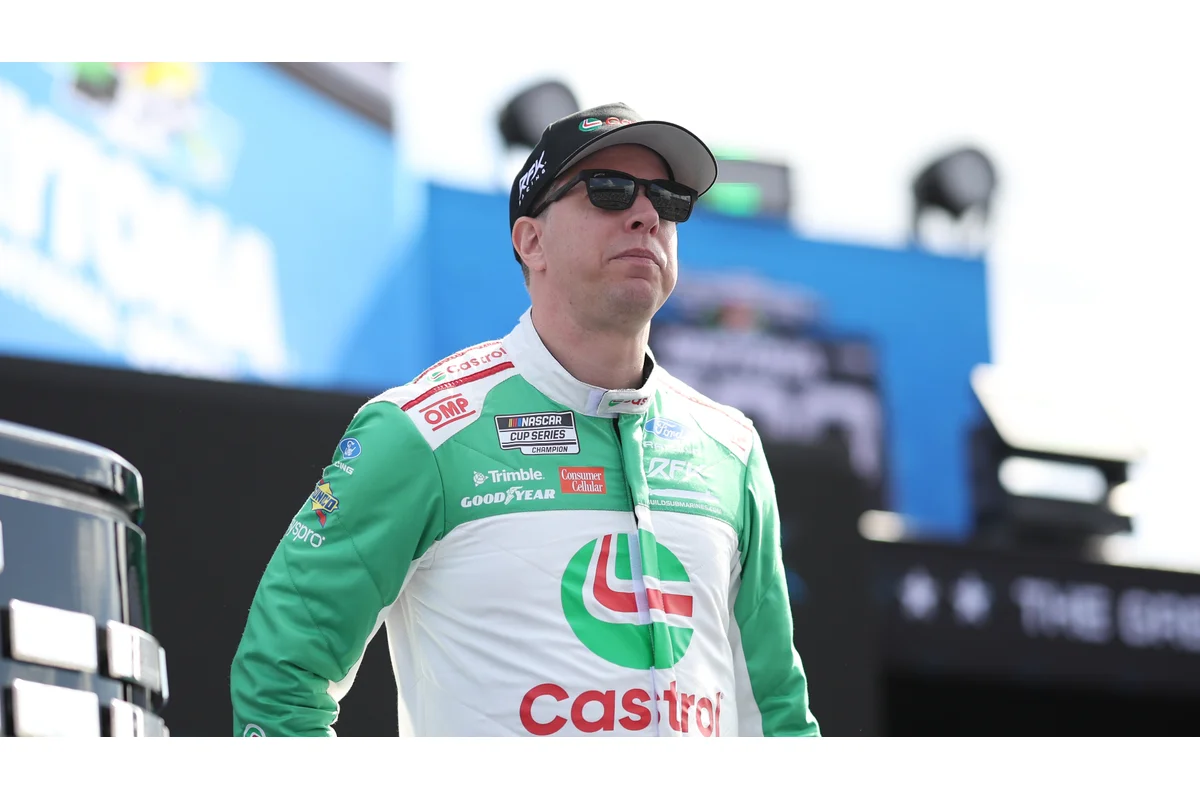
He argued that each series below the Cup level—the ARCA Menards Series, the Truck Series, and the O’Reilly Auto Parts Series—should have unique and stringent eligibility requirements to maintain competitive integrity and safety.
Keselowski Advocates for Tiered Approval Standards in NASCAR’s Lower Series
Providing his detailed viewpoint, Keselowski explained that the Truck Series ought to bar entry to drivers with insufficient racing experience. He said,
“Personally, I think that the 3 series should have three different approval criteria, with the Truck series being approved. So, here’s my opinion. If you want to run ARCA and you know you have less than 100 starts in any major or even minor league form of racing. Yeah. Okay, cool. ARCA is your place. You, in my mind, should not be allowed to run the Truck series unless you’re like, ‘I have 100-plus starts across the country.'” ?Brad Keselowski, RFK Racing Co-owner and Driver
Keselowski’s argument is grounded in the example of McFarland, who entered the Truck Series race at Daytona earlier this year with only six starts in the ARCA Menards Series. McFarland’s inexperience was clearly visible when he crashed during pre-race testing and again within six laps of the main event, ultimately forcing him out of the race.
Despite this performance, Richard Childress Racing has chosen to move forward with McFarland, assigning him to the No. 33 entry at Rockingham, a car previously driven by Kasey Kahne. This decision has intensified debate among fans and insiders about whether NASCAR’s current system sufficiently protects competitors and spectators.
The Future of NASCAR’s National Series Hinges on Reforming Current Practices
The controversy surrounding McFarland’s participation at Rockingham highlights deeper issues within NASCAR’s driver development and approval system. Keselowski’s stance underscores a pressing need for the sport to reconsider and tailor its standards for each of the lower-tier series to better reflect varying experience levels and ensure safer competition.
With mounting concerns from drivers, teams, and fans, NASCAR may face increasing pressure to adopt more differentiated approval processes, which could impact driver eligibility and the strategic direction of teams across National Series events.
As the Rockingham race approaches, all eyes will be on McFarland’s performance and how NASCAR responds to the ongoing debate. Keselowski’s proposed reforms may serve as a catalyst for change that could shape the future framework of the sport’s developmental tiers.
