
NASCAR has traditionally centered its races on paved oval tracks, although it occasionally includes dirt tracks and road course events. Historically, the NASCAR Cup Series featured just two road course races per season, typically at Watkins Glen International and Sonoma Raceway. However, the 2026 schedule expands to include four road courses: Circuit of the Americas, Watkins Glen International, Naval Base Coronado, and Sonoma Raceway. This marks a significant shift in the series’ approach to race locations.
Despite last year’s inclusion of races at the Streets of Chicago and Charlotte Motor Speedway’s road course, both events have been removed for the current season. Brad Keselowski, who drives the No. 6 car and co-owns RFK Racing, has publicly voiced his unease regarding NASCAR’s increased emphasis on road courses, particularly from a business standpoint.
Brad Keselowski Questions Business Logic Behind More Road Course Races
Brad Keselowski has expressed confusion about NASCAR’s expansion of road course events, highlighting the challenges these races pose for team sponsorships and fan engagement.
“I just put on my business owner hat and I don’t understand why the sport wants to run so many road courses,”
Keselowski told Speedfreaks.
He further explained,
“As a business owner, it’s the hardest races to sell sponsorship for, it has the lowest attendance, lowest ratings. That doesn’t make sense to me.”
Keselowski stressed the importance of aligning race venues with stakeholder interests, including sponsors, fans, and television audiences.
“We should be going places where the sponsors wanna be there, the fans wanna be there and TV gets the best ratings. And road courses, are historically the worst in all of those categories.”
Addressing his personal viewpoint, Keselowski added,
“So, I don’t feel any obligation to that.”
He believes most fans associate NASCAR with oval tracks and have a better understanding and appreciation for that style of racing.
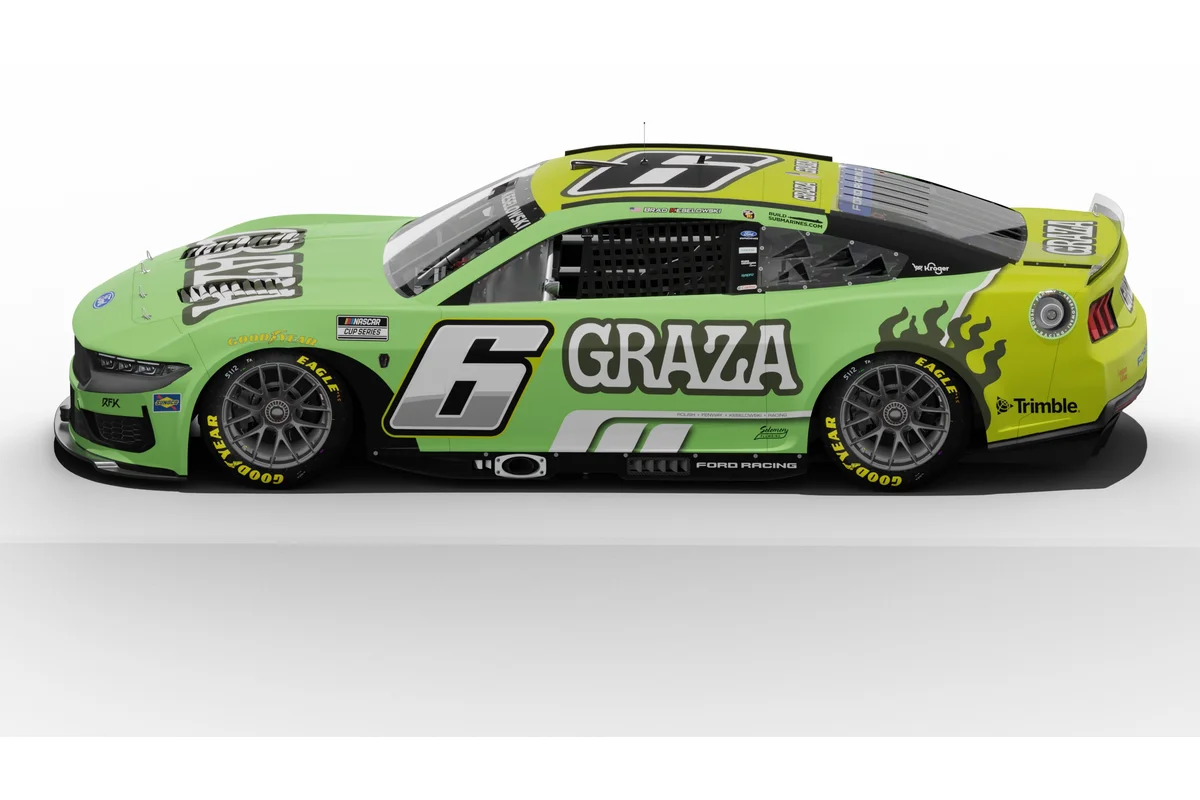
“A lot of the fans identify NASCAR with ovals. They understand the concept of what we’re doing on ovals. And enjoy it more than they do on road courses. That’s my perspective of what I see.”
Keselowski acknowledged that not all fans share his opinion, stating,
“I can’t speak for every fan.”
His remarks underscore a growing unease within certain NASCAR circles about the direction the sport is taking with its road course strategy.
Implications of the Growing Road Course Presence in NASCAR
The expansion of road course races to four on the 2026 NASCAR Cup Series calendar reflects the sport’s effort to diversify its offerings, but it has sparked debate regarding the financial viability and fan engagement of this approach. Keselowski’s dual role as a driver and team co-owner highlights conflicting views between the sport’s traditional identity and attempts to evolve its racing formats.
Road course events often present challenges in securing sponsorships, attracting large live audiences, and delivering strong television ratings. These factors directly affect teams like RFK Racing and others reliant on robust commercial support. Keselowski’s concerns may prompt NASCAR leadership to reassess the balance between road course and oval events to maintain the sport’s core fan base while exploring growth opportunities.
As the 2026 season unfolds with its expanded road course footprint, ongoing reactions from drivers, teams, and fans will likely influence future scheduling decisions. The conversation initiated by Keselowski serves as a critical reflection on how NASCAR’s evolving race formats align with business realities and fan expectations.
