
Before the start of the NASCAR season’s first points race at Daytona, Bubba Wallace expressed his ambition to shake up the dominance of the sport’s traditional powerhouses and establish 23XI Racing alongside the big three teams. Although Wallace showed strong performance on race day, his efforts ultimately fell short of fully upending the established order.
Wallace’s teammate, Tyler Reddick, managed to secure victory in the Daytona 500, delivering an initial breakthrough for 23XI Racing. Wallace himself made a notable impression, starting the race deep in 27th position and steadily moving forward. Leading for 40 laps—more than any other competitor—he also claimed his first stage win at Daytona by leading through a significant 20-car crash on lap 124.
The Final Stretch: Momentum Lost in a Last-Lap Incident
As the race neared its close, Wallace was well-positioned to contest the win, but momentum was disrupted when William Byron suddenly surged back onto the track from the apron, forcing Wallace to brake sharply and losing ground. Despite finishing 10th, Wallace’s result left him clearly disappointed, highlighting the fine margins between challenging the leaders and being held back.
This strong showing at the front of the field demonstrated Wallace’s ability to compete with the Cup Series elites. However, his progress has been met with skepticism from experienced voices within the sport.
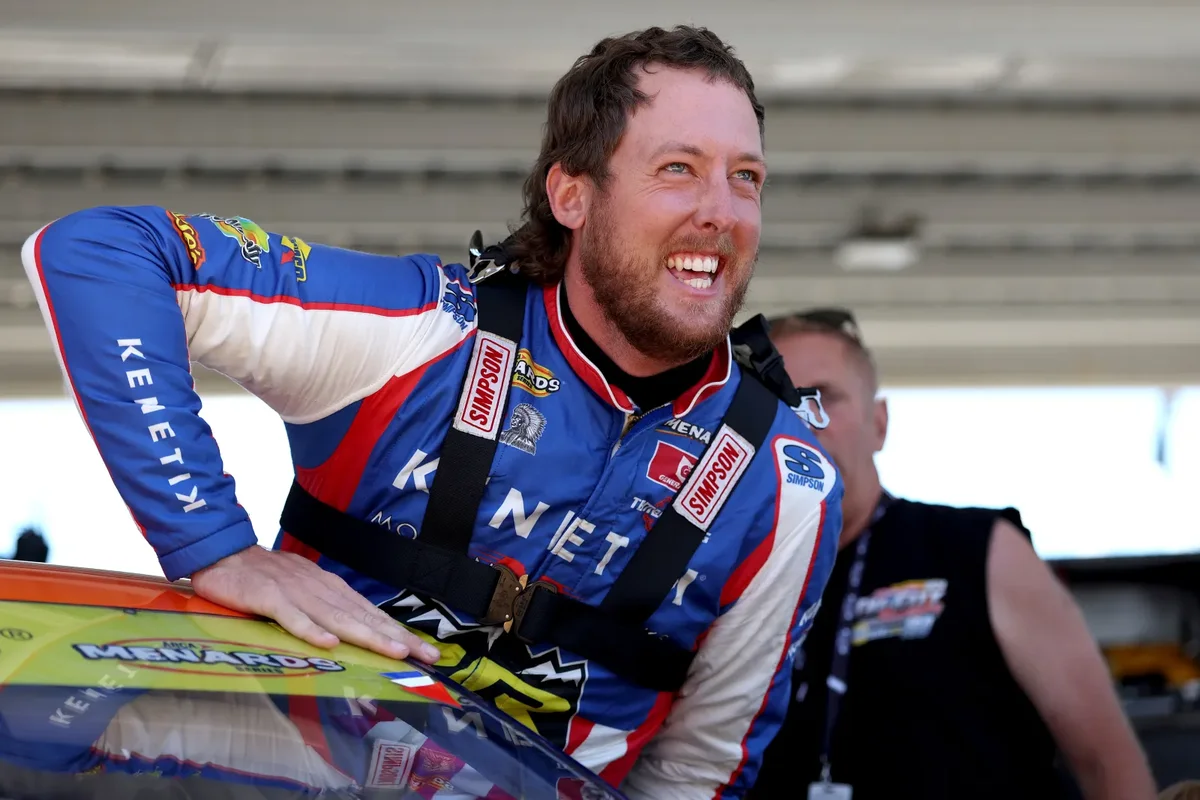
Kyle Petty’s Perspective: Consistency Is the Real Test
Veteran driver Kyle Petty offered a measured evaluation of 23XI Racing’s status relative to NASCAR’s power teams. He pointed out that while there have been moments of promise from Wallace and Reddick, last year’s performances revealed a lack of steady results needed to truly rival the dominant teams.
“I think we look at what 23XI did last year, and they struggled last year. Tyler [Reddick] struggled. We saw Bubba have some bright moments and do some great things, but the consistency wasn’t there,”
said Petty.
“And I think that’s what these guys need this year, is that consistency. They started off winning races. Are they going to consistently win races this year, and that’s going to be the telltale sign of where 23XI is. I think they’re poised,”
he added.
Petty emphasized that although the team appears to be building momentum and adopting the right mindset, fully competing against Hendrick Motorsports, Team Penske, and Joe Gibbs Racing remains a formidable challenge that requires time and unwavering performance.
The Challenge of Elevating a New Team in NASCAR’s Hierarchy
23XI Racing currently depends on equipment and parts from Joe Gibbs Racing, the leading Toyota team in NASCAR. Petty highlighted that relying on another team for groundwork prevents claiming the very top spot in the sport, regardless of wins accumulated. He explained that each of the major manufacturers has a reigning leader: JGR for Toyota, Team Penske for Ford, and Hendrick Motorsports for Chevrolet.
Although Petty respects Wallace’s competitive spirit and tenacity, he cautioned that one race or isolated victory will not shift the deeply entrenched NASCAR pecking order overnight. Breaking into the upper echelon demands ongoing success, operational excellence, and comprehensive backing.
What Lies Ahead for 23XI Racing and Bubba Wallace
Moving forward, 23XI Racing must continue seizing opportunities when veteran teams falter, whether it’s a Penske entry faltering or Gibbs and Hendrick entries underperforming. Michael Jordan and Denny Hamlin’s team has shown potential to challenge the heavyweights, but overcoming established powerhouses will require sustained consistency across racing results, team operations, and manufacturer support.
For Bubba Wallace and 23XI Racing, the goal to disrupt NASCAR’s big three remains ambitious yet attainable if approached as a long-term effort keyed to stable performance and strategic growth. The Daytona performance provided glimpses of promise but also a clear reminder that the climb to the summit demands persistence and resilience.
