
Colton Herta is entering a pivotal period in his racing career as he prepares to compete in Formula 2 in 2026. Serving also as a reserve driver for Cadillac’s Formula 1 program, CEO Dan Towriss has established a target for Herta to finish within the top 10 in the F2 championship as part of his progression toward Formula 1.
Although a top 10 placement might seem a modest aim for an accomplished IndyCar race winner like Herta, it reflects the broader development plan to ready him for the demands of Formula 1. Transitioning from IndyCar to F2, Herta seeks to build the experience and credentials necessary to secure a future race seat at the highest level of motorsport.
Herta’s Transition and Its Significance in His F1 Ambitions
After achieving multiple victories in IndyCar, Herta has made a major career shift by joining Formula 2, known as the primary feeder series to Formula 1. This move aims to increase his Super Licence points, which are essential for competing in F1, and to gain familiarity with European circuits and machinery.
His presence in F2 is expected to generate increased attention on the series, rivaling the interest seen during Mick Schumacher’s tenure with Prema. Herta’s name was previously linked to F1 opportunities, including an attempted takeover of the Sauber team by Michael Andretti, which did not materialize, and a potential drive with Red Bull’s junior team AlphaTauri, hindered by an insufficient Super Licence score.
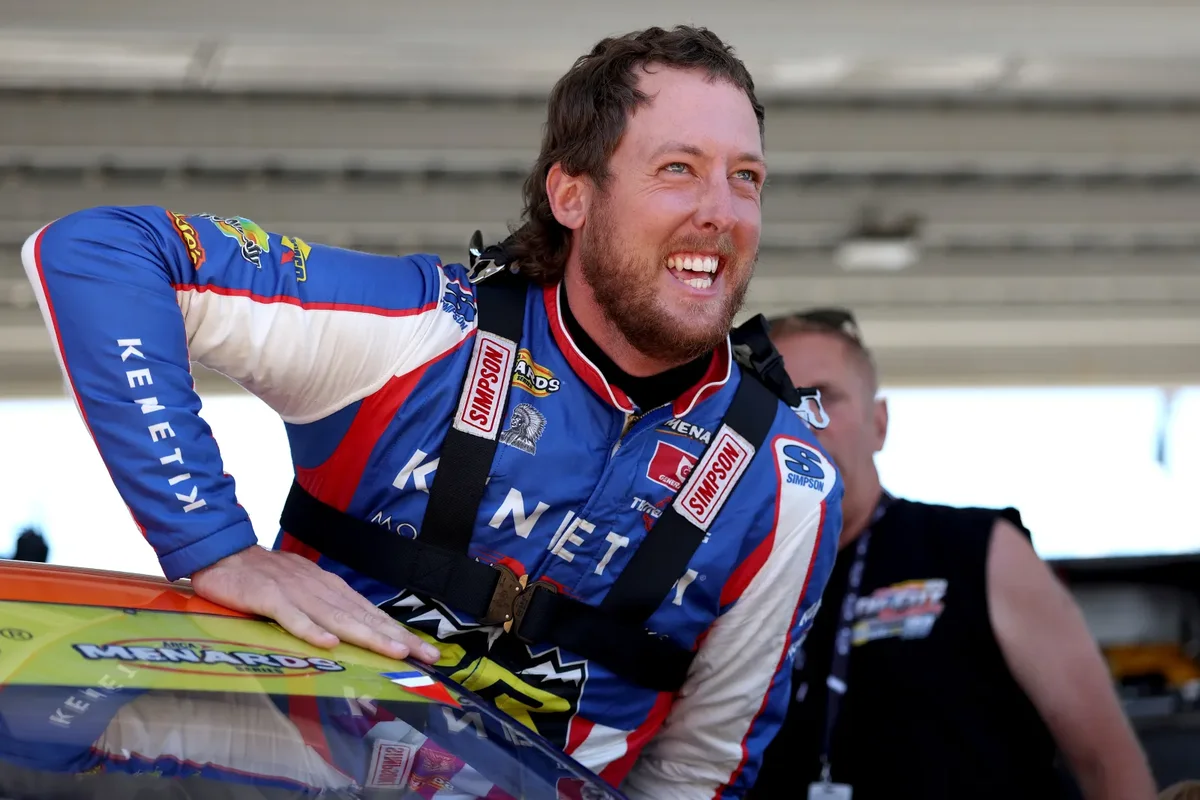
Formula 2 offers the highest Super Licence points allocation outside of F1, with a top-three finish granting the full 40 points required for an F1 licence. Despite that, Towriss anticipates Herta focusing on learning and development during 2026 rather than immediately contending for the championship title.
Alongside his F2 campaign, Herta’s program with Cadillac includes participation in IMSA racing, as well as valuable simulator sessions and free practice runs in Formula 1 cars, supporting his comprehensive growth as a driver.
I really am looking for a top 10 finish from Colton in F2,
Towriss told PlanetF1.com and others.
“Because, really, it’s about learning tracks and tyres and just, you know, his development to be ready for Formula 1.
“He’ll be spending time on the F1 sim. So it’s not just what happens in F2. There’ll be FP1s that he’ll be involved with, as well as sim work.
And so we’ll look at the total body of work to judge his readiness for Formula 1.
Challenges and Expectations for Herta’s Performance in F2
While the target set by Cadillac may alleviate some immediate pressure on Herta, adapting to F2 cars and racing formats will be demanding. His prior experience in Formula 3, which occurred about a decade ago, offers limited advantage due to the evolution of the sport since then. Additionally, adapting to the predominantly European culture and circuits of F2 presents a significant shift from his previous racing environments.
Nonetheless, the top 10 aim is viewed by some as generous, considering Herta’s calibre as an IndyCar winner. The 2026 F2 grid is expected to be one of the strongest in recent years, providing intense competition. Still, Herta is unlikely to settle for just a top 10 finish; his ambitions are aligned with winning the championship or securing a standout performance that compels an F1 seat based on merit.
Herta’s Broader 2026 Racing Program with Cadillac
In addition to contesting the full F2 season, Herta will continue competing in IMSA endurance events with Cadillac, broadening his racing repertoire. The program also involves simulator work and limited practice sessions in F1 machinery to help acclimate him to the technical and physical requirements of Formula 1.
This multifaceted approach is designed to accelerate Herta’s development and prepare him comprehensively for a potential step up to Formula 1, where he aims to capitalize on his talent and diverse racing experience.
Future Prospects and Implications for Herta’s Racing Career
Cadillac’s strategy places significant emphasis on the holistic evaluation of Herta’s performance, encompassing both his results on the track in F2 and his progression in simulator programs and F1 practice sessions. Meeting the top 10 target will be a foundational milestone, but ultimate readiness for Formula 1 will depend on consistent growth and adaptability across all areas.
Herta’s journey will be closely followed by the motorsport community, as his success in transitioning from a decorated IndyCar career to a serious contender for an F1 seat could open doors for American drivers in Formula 1 once again.
As the 2026 season approaches, Herta’s performance in F2 and his development with Cadillac will be critical indicators of his future prospects in Formula 1.
