
Carlos Sainz struggled Williams FW47 during the qualifying session at the 2025 Austrian Grand Prix, failing to advance past Q1 while his teammate Alex Albon reached Q2. After the session, Sainz voiced his frustration over the car’s performance, blaming damage and poor handling for his early exit.
Both Williams drivers had difficulties throughout the weekend’s practice sessions, with their FW47 showing significant weaknesses on the Red Bull Ring’s fast straights. They were roughly 10 km/h slower than rivals during practice, indicating serious pace issues. When asked about the lack of speed, Albon admitted he was unsure of the exact cause.
Practice and Qualifying Performances Reveal FW47’s Limitations
In the final practice session before qualifying, Albon and Sainz finished 14th and 15th, respectively. During Q1, the two Williams cars were among the first to hit the track, setting initial lap times in the low 1 minute 6 seconds range—more than a second off the fastest times set by Lando Norris in FP3.
Both drivers opted for a second set of fresh tires to improve their times. While Albon managed a lap fast enough to secure a place in Q2, Sainz struggled to handle the car’s behavior and went back to the pits for a quick refuel before attempting a final run.
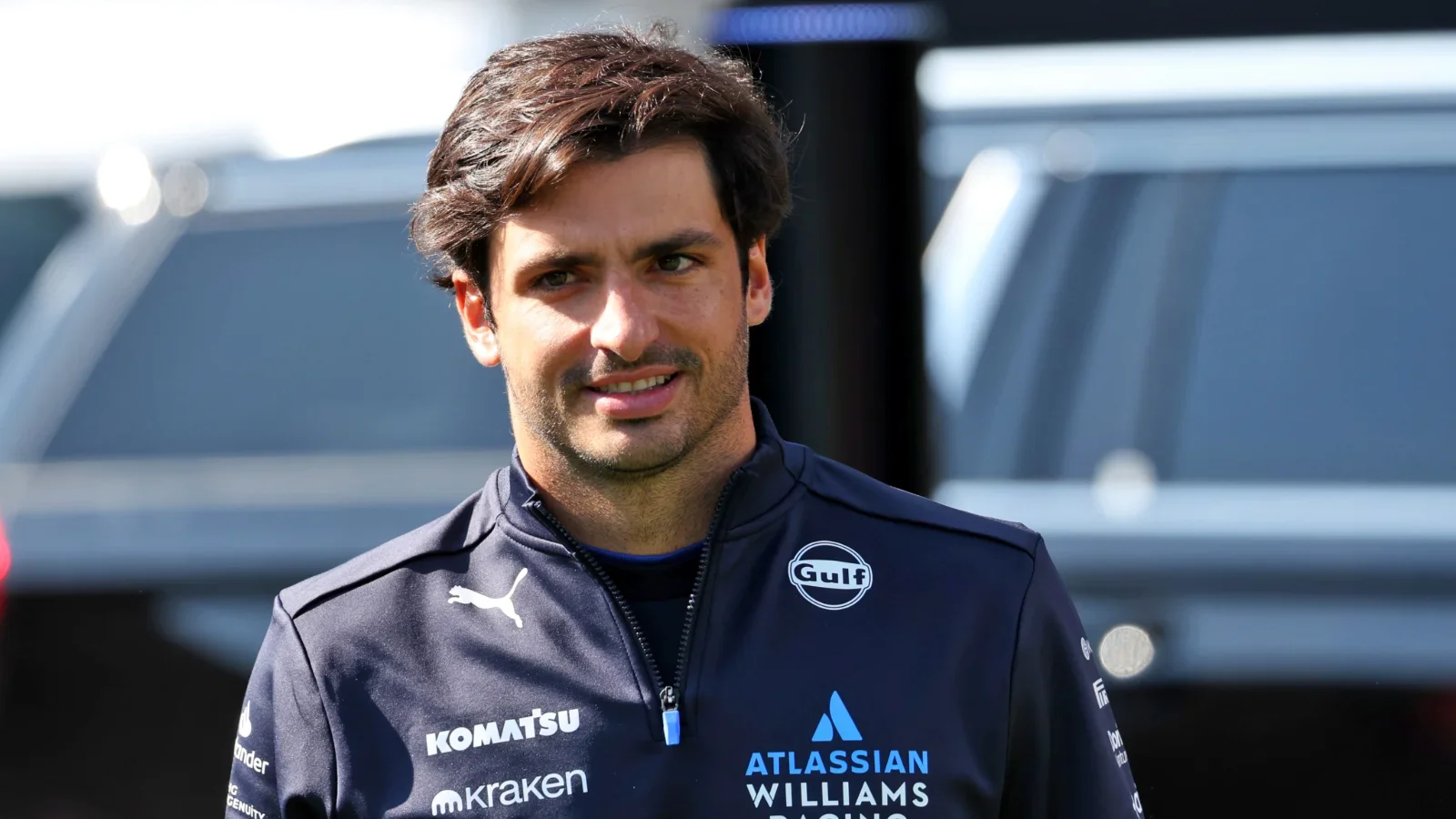
However, Sainz encountered even greater difficulty on his last lap, visibly struggling through corners by aggressively correcting the steering on entry and exit. His FW47 appeared extremely unstable, forcing him to back off and preventing advancement into Q2.
Sainz Expresses Frustration Over FW47’s Handling Issues
Following his Q1 elimination, Sainz communicated his concerns via the team radio, describing the FW47 as nearly impossible to drive. He stated,
“There’s damage in the car for sure. The car is undriveable. It’s pulling under braking, no load in high speeds. Undrivable!”
This harsh critique highlights the severity of the car’s performance problems and Sainz’s growing dissatisfaction as his poor qualifying results continue to mount. Sainz will start the Austrian GP from 19th, while Albon begins in 12th after narrowly missing Q3.
Contrast Between Sainz and Albon’s Recent Qualifying and Race Results
Last season, Carlos Sainz regularly advanced to Q3 with Ferrari, but his current form reflects a stark decline, with three consecutive Q1 exits including the Austrian GP as well as the Canadian and Spanish Grands Prix. In contrast, Albon has shown relatively better qualifying performances, achieving 11th at the Spanish GP and reaching Q3 in Canada, despite retiring from both races due to Mercedes power unit failures.
In the championship standings, Albon holds 8th place with 42 points, whereas Sainz is positioned 13th, having earned just 13 points so far. The ongoing difficulties with the FW47’s handling and pace are clearly impacting Sainz’s ability to compete effectively this season.
Outlook Following a Difficult Austrian Grand Prix Qualifying
The struggles experienced by Carlos Sainz and the Williams team at the Austrian GP expose critical performance gaps in the FW47, raising questions about its development and reliability. With Sainz describing the car as undriveable and visibly battling the vehicle’s instability, the team faces pressing challenges ahead to improve competitiveness.
How Williams addresses these issues in upcoming races will greatly influence both drivers’ chances of scoring valuable points during the season. For Sainz, who is eager to regain form after a tough start, identifying solutions to the FW47’s weaknesses is crucial to halt the downward trend and restore confidence on race weekends.
