
Charles Leclerc condemns online abuse after a torrent of death threats was directed at rookie driver Kimi Antonelli following his error during the Qatar Grand Prix, calling for greater respect and accountability within the Formula 1 community. The incident has brought renewed attention to the challenges young drivers face both on and off the track as online hostility threatens their confidence and potential in the sport.
F1 Rookie Targeted After Qatar Grand Prix Incident
During an intense contest for fourth place at the Qatar Grand Prix, 19-year-old Kimi Antonelli made a late-lap mistake that allowed Lando Norris to move ahead, clinching a crucial position and paving the way for Norris’s championship battle against Max Verstappen. However, the aftermath far exceeded racing disappointment, as Antonelli was sharply targeted by aggressive online commentators, some escalating their hatred to the level of death threats.
Reactions from within the paddock were swift. Charles Leclerc, who has earned the respect of racing professionals and fans alike through his skill and determination in the Formula 1 circuit, was vocal in his support for Antonelli. Leclerc did not hesitate to condemn Helmut Marko, whose prior remarks were said to have intensified the backlash against the young Italian. Despite a late apology from Marko, the harm to Antonelli’s mental health and reputation had already been done, raising concerns about the broader impact of unchecked online abuse in motorsport.
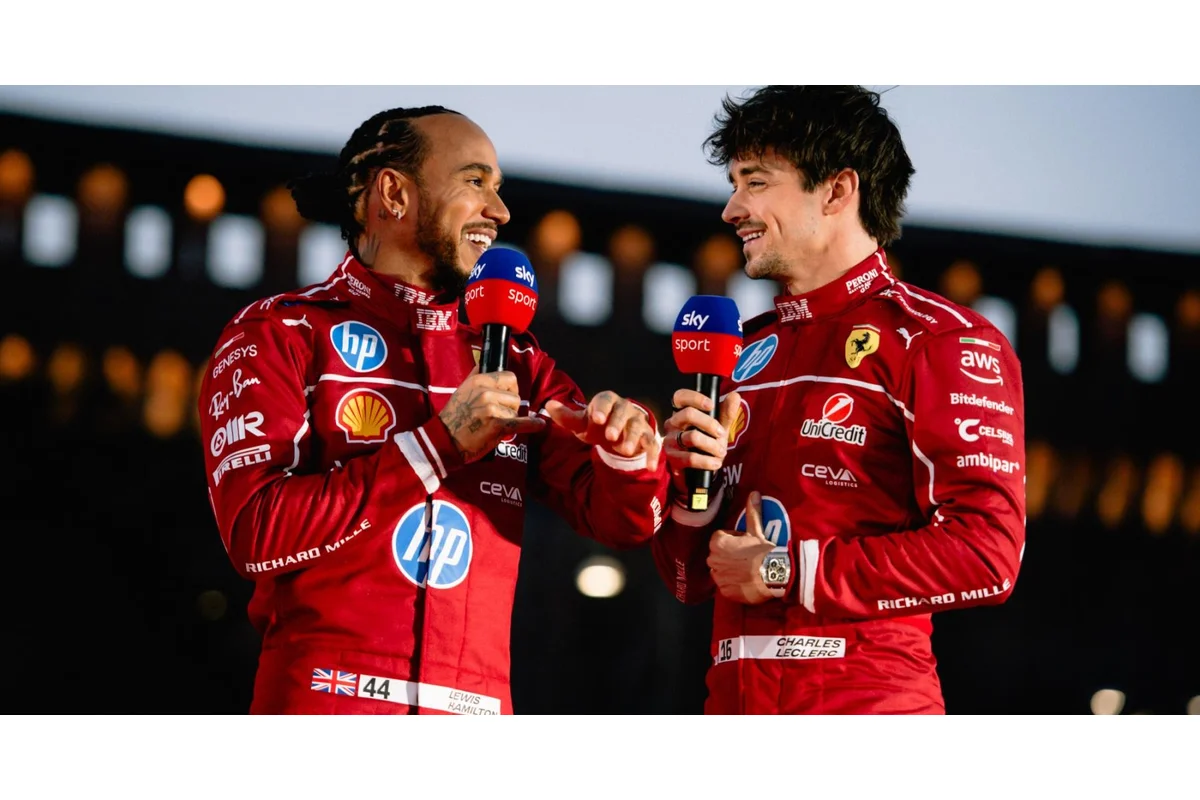
Leclerc Denounces Disrespect and Lack of Accountability
Charles Leclerc voiced frustration with the pattern of disrespect directed at drivers, highlighting the absence of consequences for those online bullies:
It’s unacceptable, and obviously, those people face no consequence for their words and for their disrespect towards drivers,
Leclerc, a prominent figure among today’s top racers, lamented the lack of support for athletes who dedicate themselves to their craft, noting that the environment was becoming increasingly toxic for both established veterans and newcomers alike. He explained that the relentless pressure and scrutiny can deter the next wave of talent, making it harder for young drivers like Antonelli to thrive.
The Reality of Mistakes in Racing
While reflecting on the inevitability of errors in such a high-stakes sport, Leclerc emphasized that criticism in this case was misdirected:
In that particular case, the hate was for absolutely nothing.
He stressed that mistakes are a natural part of racing, especially in fierce battles that unfold at extreme speeds, and that such harsh reactions from the community serve only to undermine future talent rather than nurture it.
Coping with Intense Online Scrutiny
Addressing Antonelli and others facing similar abuse, Leclerc offered what advice he could, aware of the difficulty in following it under immense pressure:
The only thing that you can do in those kinds of moments is to ignore everything that is happening.
Leclerc acknowledged that, especially for rookies and younger racers, ignoring the hostility is easier said than done. Drawing from his own experiences during his debut seasons, he recalled:
I remember my first or second year in F1; you sometimes look on social media at what’s being said around you, and that makes it even more difficult.
He underlined that while some drivers manage to adjust to this reality over time, the normalization of consistent hate remains a serious concern that should not be accepted.
Antonelli’s Potential Amid Hostility
Kimi Antonelli has demonstrated remarkable resilience throughout his rookie season, standing his ground against legendary drivers such as Max Verstappen and Lewis Hamilton. His performances on the world’s biggest stages suggest the arrival of a new generation of talented F1 racers. Yet, the barrage of toxic online commentary raises a crucial question: will a culture of digital hostility dim the promise of rising stars, or can the racing world create space for their growth?
The Path Forward for Formula 1
As the current racing season progresses, the need for change is urgent. The motorsport community faces a pivotal moment; it must choose whether to allow unchecked animosity or to protect its athletes by demanding accountability for those who engage in online harassment. The actions and attitudes of professionals, such as Leclerc, set a tone that may guide fans and insiders toward fostering a safer and more respectful atmosphere within the sport.
For Formula 1, which thrives on the achievements of its drivers and the passion of its fans, the celebration of talent cannot come at the cost of mental health or personal safety. The stories of drivers from established veterans to ambitious rookies like Antonelli show that, with continued awareness and firm action against online abuse, the next chapter of F1 can be written in courage rather than fear. Only through collective effort can the community protect the integrity of competition and encourage future generations of racers to pursue their dreams without facing relentless hostility.
