
Chase Briscoe, a notable driver in the NASCAR Cup Series, is advocating for the return of dirt racing to the premier NASCAR schedule and calling for the repaving of the Iowa Speedway to improve race quality. His efforts come after NASCAR discontinued the dirt race at Bristol Motor Speedway, reverting to traditional pavement racing, a move that disappointed many drivers and fans alike.
The NASCAR Cup Series has recently included some of the nation’s top dirt racers, such as Kyle Larson, Christopher Bell, Ricky Stenhouse Jr., and Chase Briscoe himself. From 2021 through 2023, these drivers competed on a temporary dirt surface installed at Bristol Motor Speedway, giving the series a brief but much-talked-about test on dirt. However, NASCAR decided to remove this event and return exclusively to pavement racing, a format it had followed since 1971 until the brief dirt experiment.
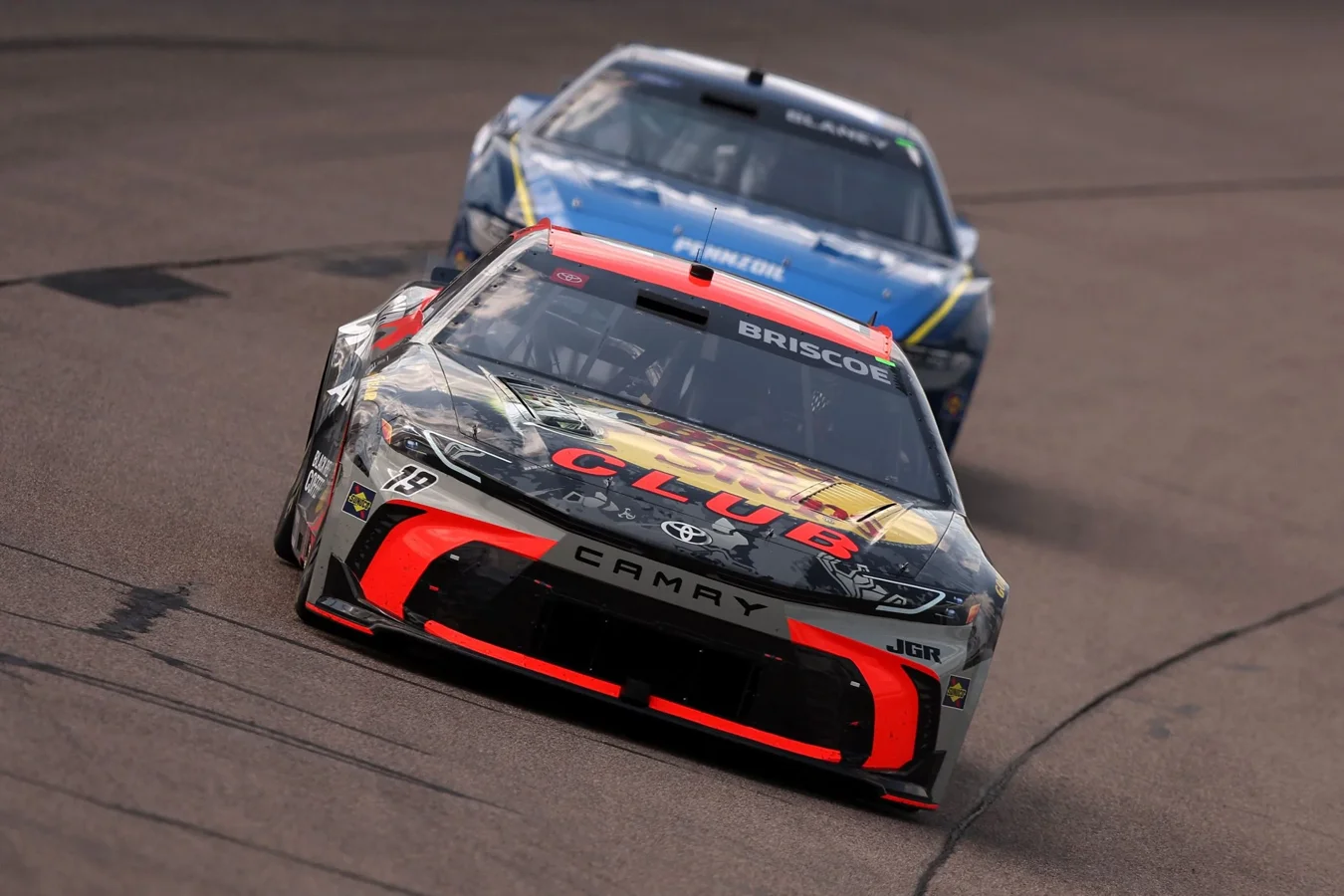
Briscoe, who drives the No. 19 Toyota Racing Development (TRD) car for Joe Gibbs Racing, is a dedicated dirt racer and passionate fan of the discipline. In a recent interview with Always Race Day, he explained how much he values dirt racing and wishes for it to be an official part of the Cup Series again.
“Yeah, absolutely. Anytime there’s been a NASCAR dirt race, I always try to make it a point to go run it. You know, I remember coming here and running the truck race a couple of years ago, and obviously, I always ran the Eldora races as well. So, yeah, I feel like even in the Cup Series, we need to have a dirt race,”
Briscoe said.
Despite the Bristol dirt race’s failure to capture the widespread enthusiasm NASCAR had hoped for, there remains a significant, untapped fan base for dirt track racing. Briscoe and others argue that temporary dirt tracks are not the solution. Instead, teams and NASCAR should consider venues with rich dirt racing history, such as Eldora Speedway, which has long been a special venue for dirt racing enthusiasts. The current generation of Next–Gen cars and drivers have proven capable of delivering exciting dirt racing action.
Chase Briscoe Calls for Improvements at Iowa Speedway
In addition to his push for dirt racing, Briscoe is also pressing NASCAR to repave the Iowa Speedway, a track he recently competed on, securing the pole position and finishing in second place behind William Byron. Briscoe criticized the current surface, saying it restricts drivers’ ability to find multiple racing lines and forces much of the competition into a track position battle instead of open racing.
“I wish they’d repave this place all the way to the wall, just so we could have more room to move around. This is such a track position race, with the dirty air and stuff and you’re kind of limited with where you can run,”
Briscoe commented after the race. He hopes that by the next event, NASCAR will have addressed the track conditions to offer three or more usable lanes, diminishing the impact of dirty air and improving passing opportunities.
Briscoe elaborated on how the current narrow racing surface hinders passing attempts and creates a frustrating racing environment.
“So maybe we’ll come back next year and hopefully they’ll repave it all the way to the wall…It’s definitely really difficult to pass. You’re so limited. The racetrack’s only two or three lanes wide and you just take the guy’s air. If we had the old surface, it’d be unbelievable. As soon as we get on the old pavement, you just start spinning the tires,”
he said, highlighting how the racing would improve significantly with better track conditions.
The concerns raised by Briscoe resonate with many drivers and fans who felt that the flatness of Iowa’s current surface and the effects of dirty air reduced the entertainment quality during the recent race. The Joe Gibbs Racing competitor’s call to action puts pressure on NASCAR’s sanctioning body to reconsider track maintenance and upgrades as a way to enhance competition and viewer satisfaction.
Challenges Faced by NASCAR’s Current Dirt and Pavement Formats
The removal of dirt races from the NASCAR Cup Series schedule reflects broader challenges the sport faces in balancing tradition, innovation, and fan engagement. While dirt racing has passionate followers and a unique appeal, NASCAR’s attempt to incorporate it through a temporary dirt track at Bristol was met with mixed reactions. The event did not draw the expected numbers, and some questioned whether Next–Gen stock cars are suitable for dirt racing on a temporary surface.
Nevertheless, drivers like Briscoe, alongside dirt racing veterans such as Kyle Larson and Christopher Bell, affirm that dirt racing belongs in the sport’s top tier. Eldora Speedway and similar venues are seen as better suited for these events due to their established infrastructure and loyal fan bases, offering a more authentic dirt racing atmosphere than the temporary Bristol setup.
Meanwhile, paved tracks like Iowa also need attention to preserve the competitive spirit of NASCAR. Surface conditions and track design directly affect drivers‘ ability to race aggressively and pass effectively, which in turn considerably impacts the show’s excitement level for spectators. Upgrading these venues to promote multiple racing grooves and reduce aerodynamic interference could bring more dynamic racing and fan appeal.
What’s Next for NASCAR and Chase Briscoe’s Vision?
Chase Briscoe’s advocacy for bringing back dirt racing and improving pavement conditions at key tracks like Iowa signals a demand from within the driver community for NASCAR to evolve while respecting its roots. His dual focus highlights contrasting but linked challenges: maintaining the thrill of dirt racing while enhancing the quality of paved track racing.
The NASCAR sanctioning body faces important decisions about whether to reintegrate dirt events permanently and invest in repaving projects that could significantly improve race quality. Fans and drivers alike are watching closely to see how NASCAR responds to calls for change, as these moves will influence the sport’s future direction and its ability to retain and grow its audience amid shifting motorsport landscapes.
With rising stars like Briscoe leading the charge, the push for better racing experiences exemplifies the ongoing tensions and passions that drive NASCAR forward as it navigates tradition, innovation, and fan expectations in a restless and competitive environment.
