
Chase Briscoe was positioned for a potential second win in 2025 during the overtime finish at Dover Speedway, with fresh tires and only one car ahead. Despite these advantages, it was Denny Hamlin who ultimately crossed the finish line first, leaving Briscoe pondering how the outcome might have differed if a teammate had not been obstructing his path. The race’s conclusion stirred intense discussion around Briscoe’s actions and comments in the aftermath.
During the exciting overtime restart, Briscoe trailed Hamlin, benefiting from newer tires that gave him the edge to challenge for the lead. When the green flag dropped, though, Briscoe chose a cautious approach instead of an aggressive move, resulting in a second-place finish while Hamlin secured the victory.
Clarifying the Intent Behind Briscoe’s Comments on Teammate Interaction
Following the race, Briscoe sparked controversy with a remark implying that his racing behavior would have been more aggressive if the driver ahead wasn’t his teammate. This statement quickly drew criticism from both fans and the media, who argued that competition should supersede team dynamics. Critics insisted Briscoe should prioritize pursuing the win over considerations of team loyalty, especially when victory was within reach.
The debate intensified as prominent NASCAR media figures, including The Athletic’s Jordan Bianchi and Jeff Gluck, questioned the implications of Briscoe’s words. Doubts were raised about how his comments aligned with his established reputation as one of NASCAR’s cleanest and most respectful drivers. Fellow driver Shane van Gisbergen had also previously praised Briscoe’s disciplined style on the track.
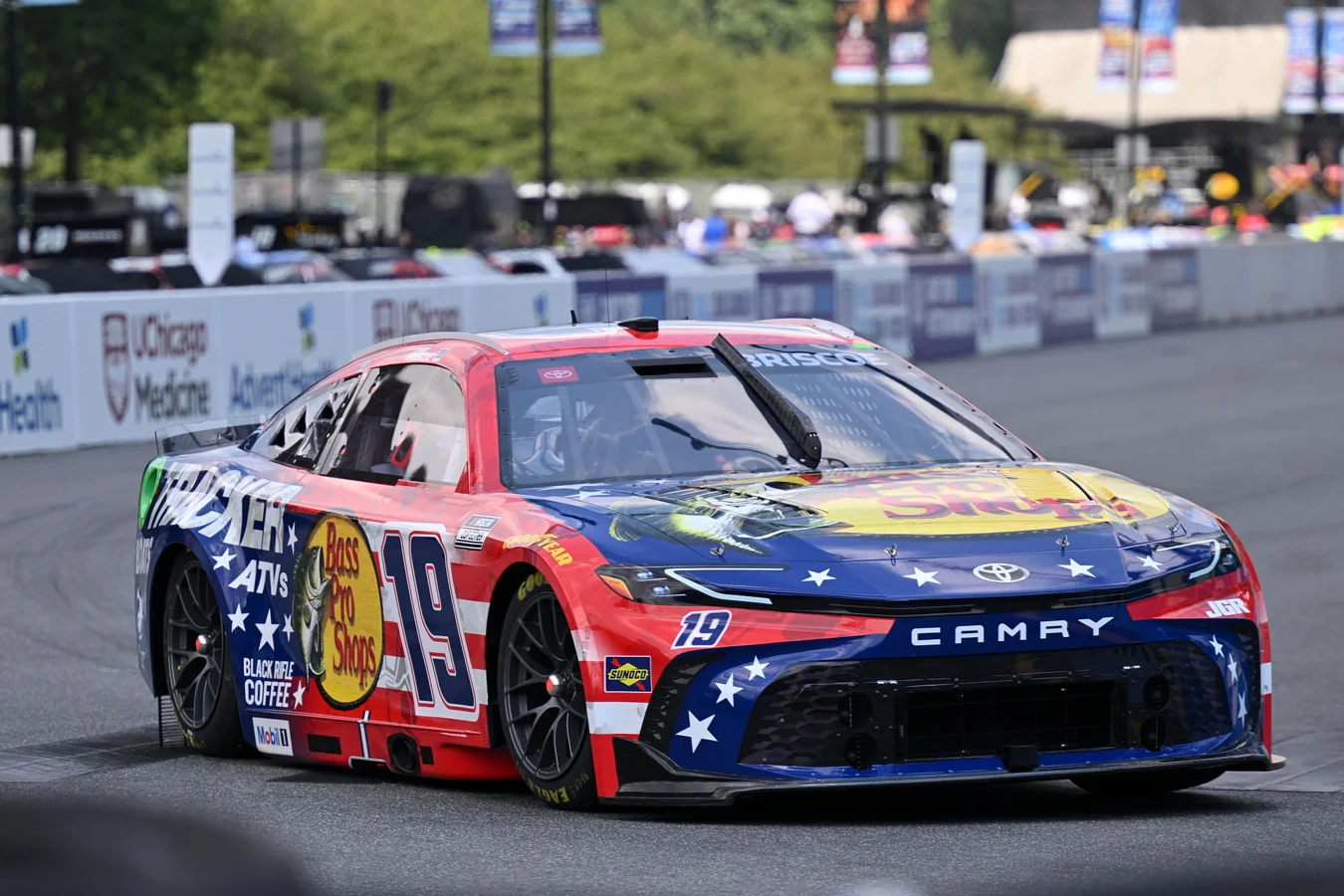
Final restart from Chase Briscoe’s onboard.
Pay attention in Turn 4 coming to the white flag: You can hear where Briscoe had to lift out of the throttle and some of the contact he made with Denny Hamlin to his outside. pic.twitter.com/yfNQvQrYvN
— Steven Taranto (@STaranto92) July 21, 2025
In response to the mounting controversy, Briscoe appeared on SiriusXM NASCAR Radio to set the record straight. He explained that his remarks were misinterpreted and that he never intended to suggest reckless behavior toward a teammate.
I definitely got taken out of context a little bit after the post-race. I mean, I just could have done some things that, even if he wasn’t a teammate, I wouldn’t have probably wrecked him. It just would’ve been dirty. And even doing it, I still could have wrecked myself in the process.
— Chase Briscoe, NASCAR Driver
Briscoe elaborated on the situation by describing one possible tactic he considered: pushing Hamlin higher up the track toward the wall to gain position. However, knowing Hamlin was his teammate, Briscoe was unwilling to risk the consequences that such a move could bring to both of their races.
Denny Hamlin’s Perspective and the Complexities of Team Racing
Denny Hamlin addressed the late-race tensions on his latest podcast, offering his viewpoint on their final-lap duel. Hamlin suggested Briscoe might have taken a different line on corner exit, opting for a wider path instead of sticking close. This move, Hamlin noted, would have put him closer to the wall, raising its own risks.
Though Briscoe is a relatively newer member of Joe Gibbs Racing compared to Hamlin, he clearly understands the delicate balance between competition and cooperation within the team. The decision to avoid overly aggressive tactics reflected respect for Hamlin’s competitive drive and the potential fallout of a collision.
The Importance of Understanding Team Dynamics in NASCAR Competition
The incident at Dover highlights the challenges drivers face when balancing the desire to win against team strategies and relationships. While fans and commentators might expect drivers to race purely on individual ambition, the presence of teammates complicates split-second decisions on the track. Briscoe’s clarification attempts to underscore that sportsmanship and calculated risk assessment remain critical, even in high-pressure situations.
As the season progresses, how Joe Gibbs Racing’s drivers navigate similar moments will be closely watched, with keen interest in whether competitive instincts will continue to be moderated by team considerations. The dialogue sparked by Briscoe’s comments and Hamlin’s response emphasizes the evolving nature of teamwork and rivalry in NASCAR’s intensely competitive environment.
