
Chase Elliott, a prominent driver for Hendrick Motorsports, has voiced concerns regarding the intense heat conditions within and surrounding NASCAR’s Next Gen car. After several recent races encountered cooling-system malfunctions, Elliott revealed that the new car’s design traps hot air inside the cockpit while the air flowing outside the vehicle can reach temperatures high enough to cause burns on a driver’s hand. These problems have been occurring since the start of the 2024 NASCAR Cup Series season, including events at tracks like Phoenix Raceway.
Incidents of cooling failure have been affecting multiple drivers, as seen with A.J. Allmendinger who experienced such issues at the Circuit of the Americas in Austin. Despite a strong ninth-place finish, Allmendinger required medical attention immediately after the race due to the heat-related strain. The consistent overheating troubles showcase an ongoing challenge with managing driver comfort and safety in the new vehicle configuration.
How the Next Gen Car’s Design Changes Airflow and Heat Management
NASCAR drivers typically rely on cooling suits that circulate chilled liquid to help mitigate body temperature during grueling race conditions lasting up to three hours. However, Elliott explained the Next Gen car’s aerodynamic construction creates an unfavorable airflow pattern. Instead of fresh, cooler air entering the cockpit like older models, the current setup circulates hot air around the driver, significantly increasing cockpit temperatures.
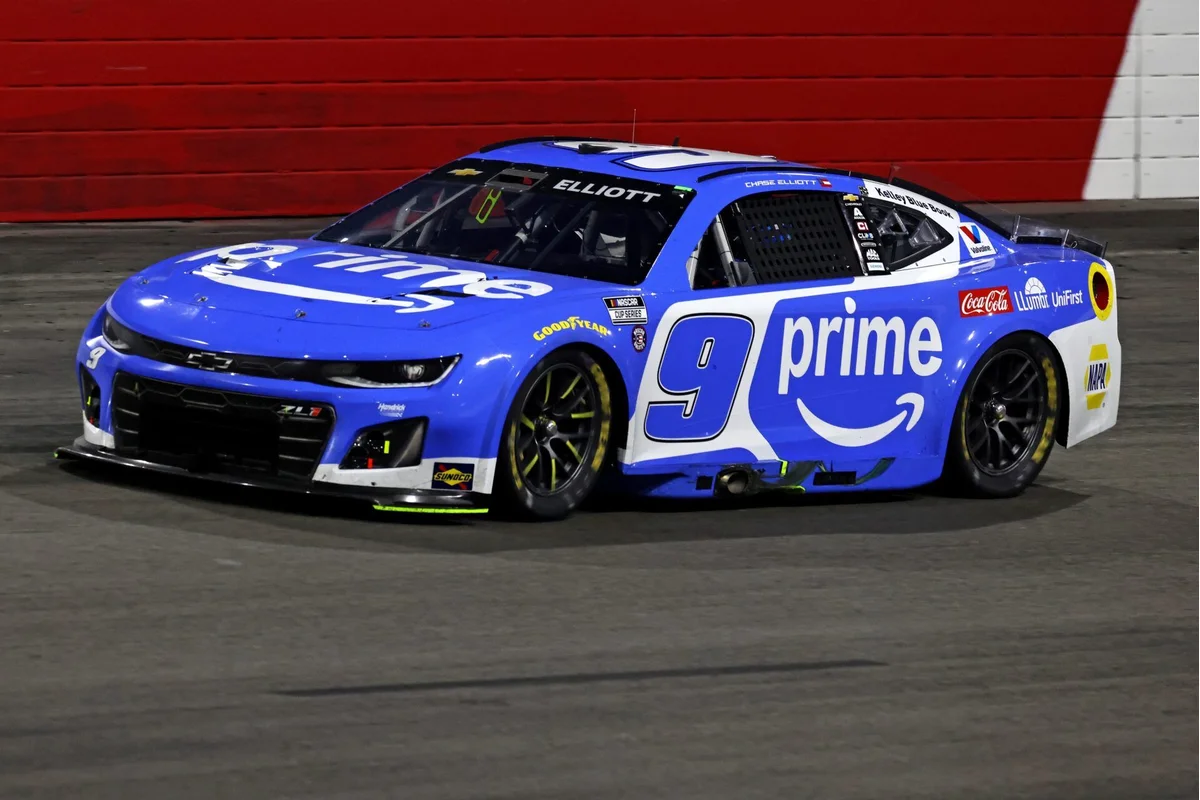
“If you’re going down the straightaway in the old car and you stuck your hand out the window, it was cool and fresh air. Whereas now you’re going down the straightaway, any track, but particularly like Speedways are a great example because when you stick your hand out the window, if you didn’t have your gloves on, you’d probably burn it,” Chase Elliott told Jeff Gluck of The Athletic.
“You have exhausts on both sides, whereas used to, exhaust was only on one side as well. So you’re kind of evacuating that air out one direction. So there was always some fresh air to be had that wasn’t already warm or warmed up if somebody was in front of you.”
This fundamental shift in exhaust placement and airflow exacerbates the heat retention problem, making conditions inside the cockpit more extreme and uncomfortable for the drivers. These design elements contribute to increased physical stress over the duration of races.
Challenges of Using Cooling Suits Amid Heat Saturation
The use of cooling suits within NASCAR has a long history, with earlier versions often avoided due to reliability concerns. Elliott noted improvements in modern cooling systems have encouraged wider adoption across teams, especially during races held in hot climates. These suits operate by pumping chilled liquid through tubes inside a shirt worn beneath the driver’s fire-retardant gear to cool the body effectively.
“Anything that works like that, that has taken a really warm environment and cooling it is subject to failing and, in an environment that’s really saturated with heat. So, it’s a really tough balance,” Chase Elliott said.
Despite these advancements, cooling systems are still prone to failure, which can lead to even worse conditions if the fluid inside the suit heats up instead of cooling the driver. Such failures are not always due to mechanical defects but can result from strategic adjustments by NASCAR teams that limit airflow to the cooling apparatus. These adjustments aim to improve aerodynamic performance and engine power but can inadvertently cause the cooling unit to overheat and cease functioning mid-race.
Implications for Driver Safety and NASCAR’s Response
As the 2024 season progresses, these heat challenges reveal a significant safety and comfort issue for drivers competing in Next Gen cars. Managing cockpit temperatures is critical to ensuring drivers maintain focus and avoid heat-related health problems during races. The combination of design changes, cooling suit technology, and team strategies will likely require ongoing scrutiny and adaptation.
The experience of drivers like Chase Elliott and A.J. Allmendinger underscores the urgency of addressing heat dissipation in the Next Gen car. NASCAR and teams may need to explore further engineering solutions or adjust race-day protocols to protect competitors from extreme temperatures inside and outside the vehicle. The evolving situation highlights how innovation in racing technology needs to balance performance with driver well-being.
https://twitter.com/noah_lewis1/status/2030340479644999866
