
Dan Ticktum, a competitor in the all-electric Formula E World Championship, has raised concerns about the direction Formula 1 is taking as it increases electrification in its vehicles ahead of the new season. As Formula 1 rolls out technical changes shifting from 80-20 V6 hybrids to a 50-50 hybrid system, Ticktum highlights tensions between electrification and traditional racing appeal, suggesting a disconnect between what fans desire and the sport’s current trajectory.
Recognized as a strong advocate for Formula E’s expansion, especially with the upcoming Gen4 cars, Ticktum sees the electric series as embracing a net zero philosophy that coincides with its intense competition. Meanwhile, Formula 1 demands drivers to carefully manage energy harvesting during qualifying and races under the new hybrid regulations, marking a significant shift from previous engines.
F1 and Formula E: Increasing parallels spark debate
The growing resemblance between Formula 1 and Formula E vehicles has become a hot topic in motorsport discussions. Max Verstappen notably described the latest F1 cars as “Formula E on steroids,” capturing how the series’ increasing electrification echoes its electric counterpart. This similarity prompts questions about Formula 1’s identity, with Ticktum suggesting that while Formula E rises in prominence, Formula 1 should emphasize a contrasting appeal.
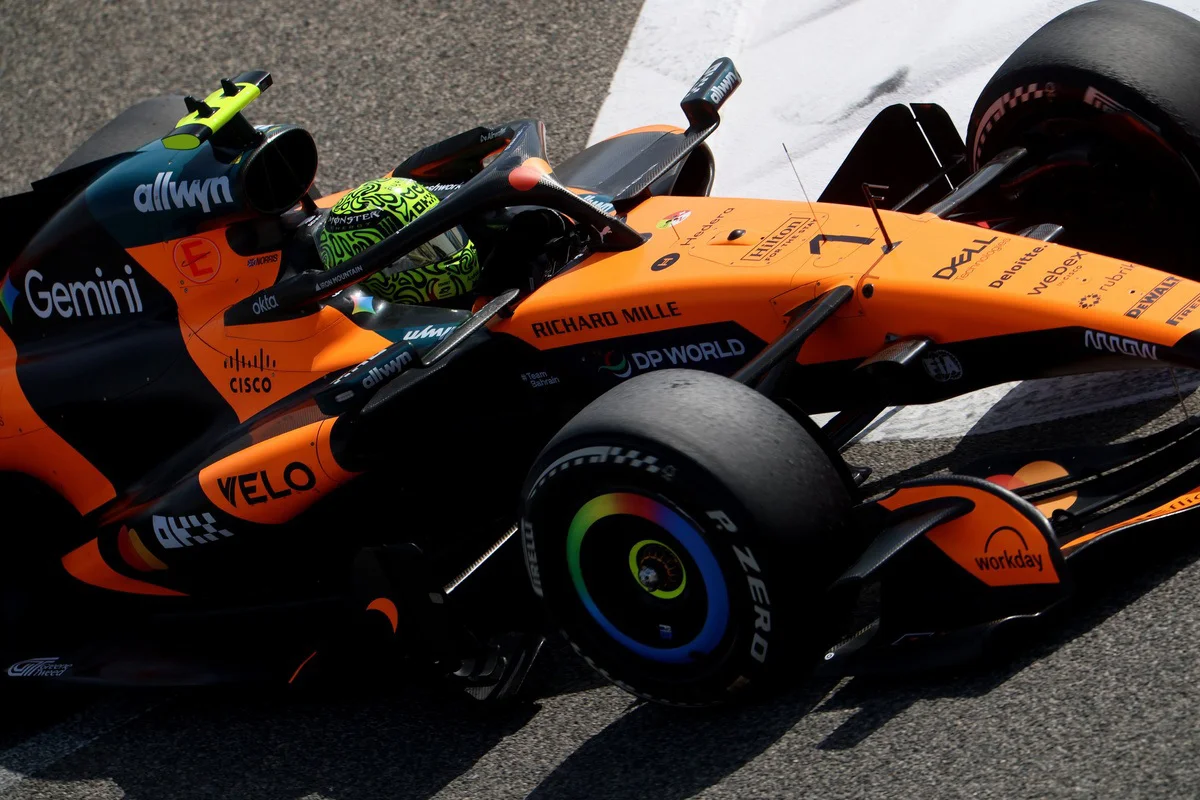
Ticktum expressed his doubts about F1’s current positioning, questioning if the sport genuinely satisfies its fan base. He explained,
“If I’m being brutally honest, but I think F1 – it should be a sport,”
and added,
“So what do people want to see from a sport? What do petrolheads want to see? They want to see a massive, great V12 screaming, and maybe not so much downforce, but massive cars that are a bit more difficult to drive.”
He continued to stress the lack of appeal in the middle ground of hybrid powertrains, acknowledging a transitional phase that might last decades, but ultimately advocating a separation in the philosophies of Formula 1 and Formula E.
“I’d like it to be, ‘here’s the sport, which is just about pleasure and enjoyment and engines and fuel and all the rest of it.’ I don’t know if that’s going to die out. Who knows?”
Calls for a revival of V8 engines and a purer racing experience
The push to bring back more traditional internal combustion powertrains has gained traction, with FIA president Mohammed Ben Sulayem favoring a return to V8 engines combined with Kinetic Energy Recovery Systems (KERS), as seen in pre-V6 hybrid Formula 1 cars. Sulayem advocates for this approach as a way to reduce costs for teams and enable the use of sustainable fuels, preserving environmental goals while reigniting sound and excitement.
Ticktum aligns with these views, suggesting fans are not fond of the noise and feel of 1.6-liter four-cylinder or V6 engines hybridized with electric components. He critiques the additional weight from electric systems and calls for simplification.
“But I’d like it to be one and the other [a difference between F1 and FE], because no one likes the noise of a 1.6-litre four-cylinder or V6, no one likes it,”
he said, before concluding,
“Even put a V8 in it, run it on sustainable fuels, good noise, car’s 200 kilos lighter. You’ve got a much better sport, in my opinion.”
Implications for the future of Formula 1 amid rising Formula E presence
As Formula E continues to grow in popularity with its clear ecological ethos and advancing technology, Formula 1 faces increasing pressures to define its identity amidst environmental demands and fan expectations. Ticktum’s perspective emphasizes the value of preserving the traditional spectacle of powerful engines and challenging driving, believing this approach could maintain fan interest in a changing world.
The debate reflects broader tensions within motorsport as the series balance sustainability targets against delivering thrilling racing experiences. The decisions taken in the coming years regarding engine regulations and hybridization could shape Formula 1’s fan engagement and competitive dynamics for decades.
