
Denny Hamlin, the Joe Gibbs Racing driver, voiced his concerns regarding the decline in NASCAR viewership following the 2025 Cook Out 400 held on August 16. NASCAR analyst Jeff Gluck reported that the race attracted only 1.39 million viewers, a sharp decline compared to the 2.22 million viewers who watched the 2024 Richmond race held on August 11. The shift of the event from Sunday to Saturday contributed to a 37% loss in television audience.
Fans have been vocal about their concerns as well. One viewer pointed out the difference in numbers and speculated on the potential audience if the race had remained on Sunday, writing,
“I think at least half a million more would have tuned in considering last week’s race got 1.85mil and that was on a road course which usually gets less viewers.”
Jeff Gluck noted the rarity of Sunday races falling below two million viewers, adding,
“I assumed he was talking about a Sunday night race. You have the numbers — how often has a scheduled Sunday night race gotten under 2 million?”
Hamlin confirmed the fan’s concerns with a tweet, stating,
“I was talking about Sunday. I think Cindy is correct in her concerns. Its my concern as well and I think the problem is much bigger than hitting the exact perfect time window every week.”
He further emphasized the importance of recognizing the issue, responding to an inquiry about the focus on viewership with,
“That fans are speaking with their remotes and we gotta stop making excuses of why.”
Race Results and Driver Performances at Richmond
The 400-lap Cook Out 400 race was won decisively by Austin Dillon of Richard Childress Racing, who led for 107 laps and finished with a 2.471-second gap ahead of his competitors. Denny Hamlin managed a commendable performance, finishing tenth in his #11 Toyota Camry XSE and placing solidly within the top ten drivers.
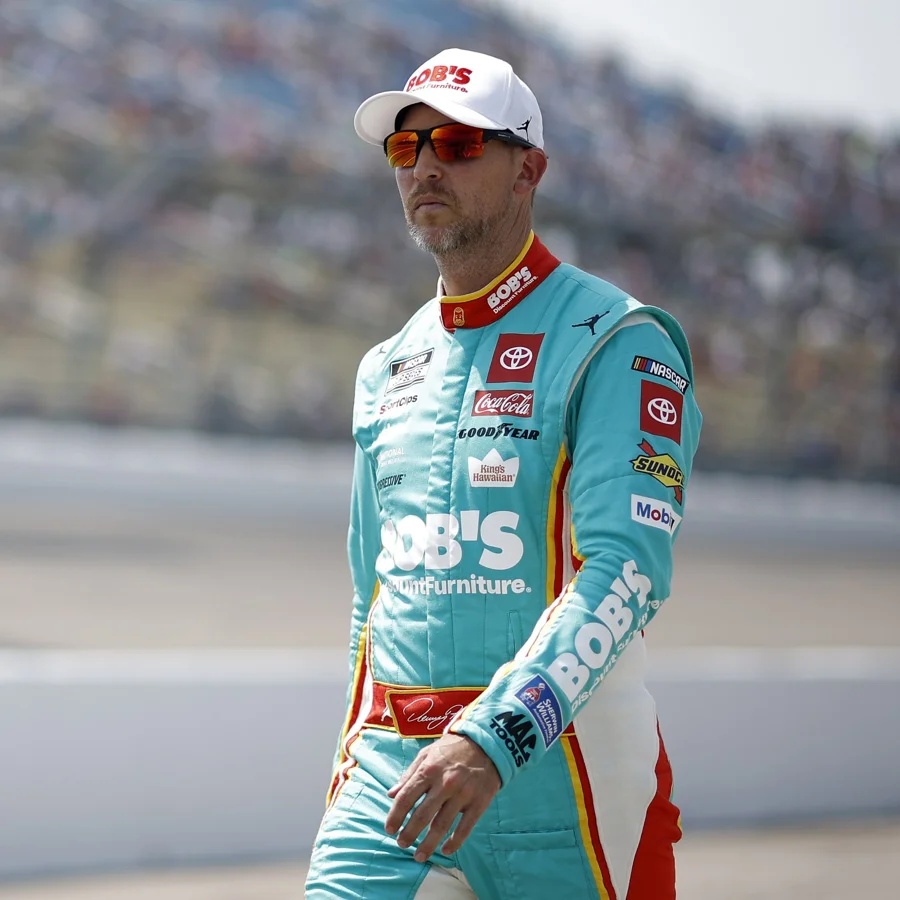
Denny Hamlin Reflects on Intense Teammate Competition at Dover
Earlier this season, Denny Hamlin captured his fourth victory at Dover Motor Speedway, but the event featured a hard-fought contest against his Joe Gibbs Racing teammate, Chase Briscoe. Hamlin described the challenge of racing teammates as particularly difficult, explaining,
“Yeah, that’s the toughest, it’s the toughest line to walk truthfully because if it is someone else, you don’t mind running them up in the fuzz, right? If it’s a teammate, you gotta sit down, you gotta see that guy tomorrow afternoon. So it’s just a little different in that aspect.”
He elaborated on the tension before the final laps, saying,
“But, you know, when we went back, right before we went back, me and Chris were walking back to our cars and I said, ‘Just don’t wipe me out.’ I was just, you know, I was afraid with him on, you know, we got old tires. I don’t know what the grip level of the track is. I just didn’t want JGR to clean itself out and then, you know, somebody else win it.”
Denny Hamlin’s Season Performance and Standings
Currently ranked third in the NASCAR Cup Series points standings, Denny Hamlin has accumulated 766 points over 24 starts this season. His record includes four wins, 13 top-10 finishes, 11 top-five placements, and one pole position. Hamlin has led 555 laps with an average finish of 13.417, indicating his consistent competitiveness throughout the season.
Viewing Trends and Their Implications for NASCAR’s Future
The noticeable decline in viewership for the 2025 Cook Out 400 underscores a broader issue within NASCAR‘s fan engagement. Hamlin’s remarks about fans “speaking with their remotes” highlight the urgency for NASCAR stakeholders to address the factors behind waning audience numbers. As viewership shifts could impact sponsorship deals, advertising revenue, and overall sport visibility, the challenge extends beyond scheduling to encompass the sport’s broader appeal.
With races like those at Richmond drawing significantly fewer fans, organizers and teams may need to explore new strategies to strengthen fan connection and regain lost viewers. Denny Hamlin’s candid observations may serve as a catalyst for conversations focused on revitalizing NASCAR’s popularity in the competitive sports entertainment landscape.
