
Denny Hamlin has long been vocal about his concerns with NASCAR’s elimination-style playoff format, criticizing it for favoring luck over consistent performance. Reflecting on recent changes, Hamlin expressed satisfaction with the revisions made to the system, emphasizing that the updates benefit top drivers and better align with fan expectations. These adjustments come after months of tension involving Hamlin and NASCAR, including a legal dispute over charter ownership with 23XI Racing, which ultimately ended in a settlement.
Speaking before the Clash race at Bowman Gray, Hamlin confirmed his approval of the revamped playoff rules, saying, I am. He explained that much of the offseason work involved reversing some of NASCAR’s previous direction from the last decade, which he views positively. Hamlin described the revised format as a “very good compromise” that rewards consistent challengers throughout the season.
The new points system starts drivers with a greater advantage during the playoffs compared to past Chase formats, motivating competitors to perform strongly in the regular season. Hamlin believes this approach strikes the right balance, allowing the most deserving drivers to emerge as champions through consistent effort rather than single moments of luck.
He elaborated on the final race scenario, noting that although a late-race restart could decide the championship, overall success depends on performance across the preceding events. Hamlin stated,
The bulk of the offseason was from what I could see, was NASCAR undoing some of the direction they had gone the last decade or so, which are all good things. I feel like the Chase is a very good compromise for all the stakeholders. And I certainly feel like, if anything, it’s a benefit for your top competitors, who are the challengers week in and week out.
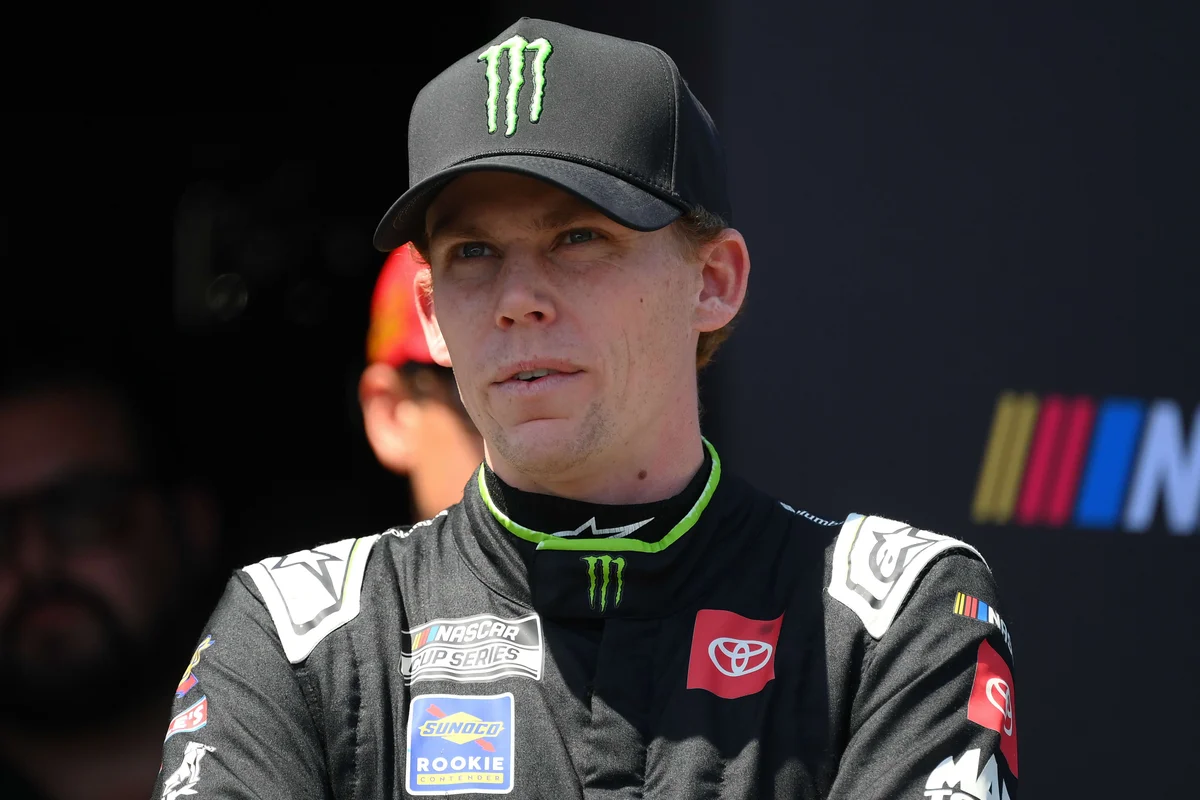
Hamlin added,
I don’t think any one restart will define it, even though it might determine who the champion might be; it’s still going to be the two or three most deserving guys when it comes down to that final race.
For now, he stands firmly behind the sport’s direction, confident the changes will improve competition.
Hamlin’s Perspective on Replacing the Charlotte ROVAL with an Oval Race
Denny Hamlin, a driver known more for his oval racing skills than road courses, has expressed strong support for replacing the Charlotte ROVAL with its traditional 1.5-mile oval track, especially during the playoff season. Hamlin’s average finishes on road and street courses hover around 16.9, fueling his preference for more oval events. Regarding this change, he commented,
I don’t think it’s a secret that it’s all positive from me on these types of changes. Bigger sample size, fewer road courses, given my history, so those are all positive for me.
Beyond personal preference, Hamlin highlighted NASCAR’s historical strengths on mile-and-a-half ovals, noting that Charlotte’s oval circuit is an exceptional venue for multiple races. He views the return to this format as both a strategic and nostalgic choice for NASCAR, one that most drivers appear to support.
While Hamlin acknowledges that recent additions like road courses and venues such as the Chicago Street Race have added variety and benefited the sport, he believes that returning to a primarily oval-focused schedule reconnects with NASCAR’s foundational identity. According to Hamlin, these kinds of course adjustments reflect a thoughtful attempt to balance innovation with tradition in the sport’s ongoing evolution.
The Broader Implications of NASCAR’s Updates
Hamlin’s endorsement of the new playoff structure and schedule alterations signals a positive shift in NASCAR’s approach to competition and fan engagement. His unique position as both a top-performing driver and a former legal challenger to the organization underscores the significance of these changes. By addressing concerns about fairness and competitive integrity, NASCAR aims to strengthen the championship’s credibility and appeal.
The revised system is expected to incentivize consistent high performance throughout the season while maintaining excitement and unpredictability during the playoffs. The emphasis on oval racing venues, including the reinstatement of Charlotte’s oval, could further enhance race dynamics and driver skill showcases.
Looking forward, NASCAR’s willingness to adapt in response to feedback from figures like Hamlin suggests the sport’s commitment to evolving thoughtfully, balancing tradition with modern demands as it progresses into future seasons.
