
DAYTONA BEACH, Fla. — Denny Hamlin has put forward a proposal aimed at enhancing the racing experience at Daytona International Speedway by increasing car speeds. After his team’s recent success, Hamlin has already communicated his idea to NASCAR officials, hoping to bring back the excitement to the Daytona 500 that has been lost since the introduction of the Next Gen car in 2022.
Hamlin believes that raising speeds could shift focus back to car handling and spread out the field during races. Though Hamlin finished 31st in the most recent Daytona 500, his team 23XI Racing achieved a victory with Tyler Reddick, marking Hamlin’s first win as a team owner at the event.
Concerns Around Current Racing Dynamics and Safety
The Next Gen NASCAR stock car was designed to enhance driver safety, but it has also reduced lap speeds at superspeedways such as Daytona and Talladega. This has caused cars to cluster tightly together more than in previous years, resulting in less dynamic racing.
Hamlin explained that
“There’s a way, but we’re going to have to increase the speeds by a lot,”
and added,
“You’re going to make it where handling matters. That’s going to spread the field, that’s going to make it to where … it’ll look a little more like racing from the past.”
He also noted the current car setup allows drivers to maintain very stable positions on the track, saying,
“As long as (NASCAR’s) insurance company is OK with it, you’re going to have to speed up the cars because right now we’re so planted in the racetrack that we could just run in this really tight pack.”
Discussions with NASCAR and Potential Testing of New Packages
Hamlin met with NASCAR earlier in the week to discuss possible changes, including allowing teams to develop alternative racing packages that could be tested during the exhibition Clash event if it returns to Daytona next year. Should these adjustments prove effective, they might be implemented before the 2028 season.
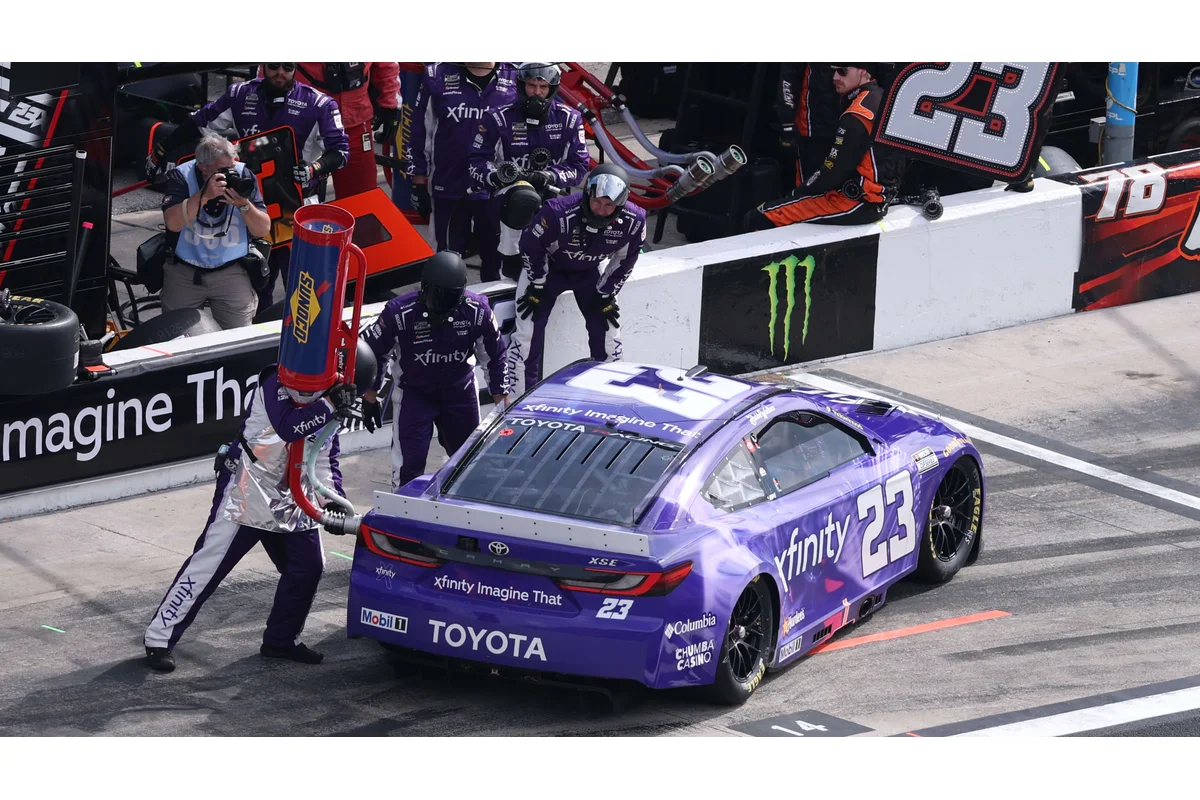
Regarding the fuel strategy that has dominated recent races, Hamlin emphasized,
“You won’t see any fuel saving, You’re just going to see people hanging on. That would be the only fix.”
Differing Opinions on Fuel-Mileage Strategies
Billy Scott, crew chief for Tyler Reddick, expressed skepticism about changing the fuel-mileage tactics, noting their entrenched nature in current racing. He said,
“I doubt there’s a fix to it because we’re just going to figure out the next way to exploit it, and I don’t know that it needs to be fixed,”
adding,
“It would be like asking if you need to change how chess is played.”
With limited opportunities for parts manipulation in the Cup Series car, teams are increasingly focused on pit road performance and tire management, including fewer tire changes and conserving fuel by running at less than full throttle. This approach shortens refueling times during race stops but also contributes to slower-paced stretches during race stages.
Impact of Current Fuel Strategies on Race Excitement
Ricky Stenhouse Jr., who finished second in the most recent Daytona 500, acknowledged both the benefit and downside of such strategies.
“On one hand, it’s good because our strategy worked out perfectly,”
he said.
“We stuck to it. It was brutal riding around there for a while. Not sure what the Toyotas were doing, but I think that made the race pretty boring there for a while for the fans. It was chaos after they pitted.”
Debate Over Racing Enjoyment and Strategy Evolution
Despite frustration over slower racing segments, some view the evolving strategies as an intriguing part of the sport. Billy Scott remarked,
“Everybody is trying to react off each other and figure out a way to get in the front at the right time, and that depends on whether cautions fly, … To me, from where we stand, that’s a very enjoyable part of it.”
Hamlin’s suggestion to increase speeds represents a significant departure from current norms but may restore a more traditional style of racing by emphasizing driver skill and car handling rather than fuel management. With NASCAR considering testing these changes during future events, the proposal could reshape Daytona 500 racing in coming years.
