
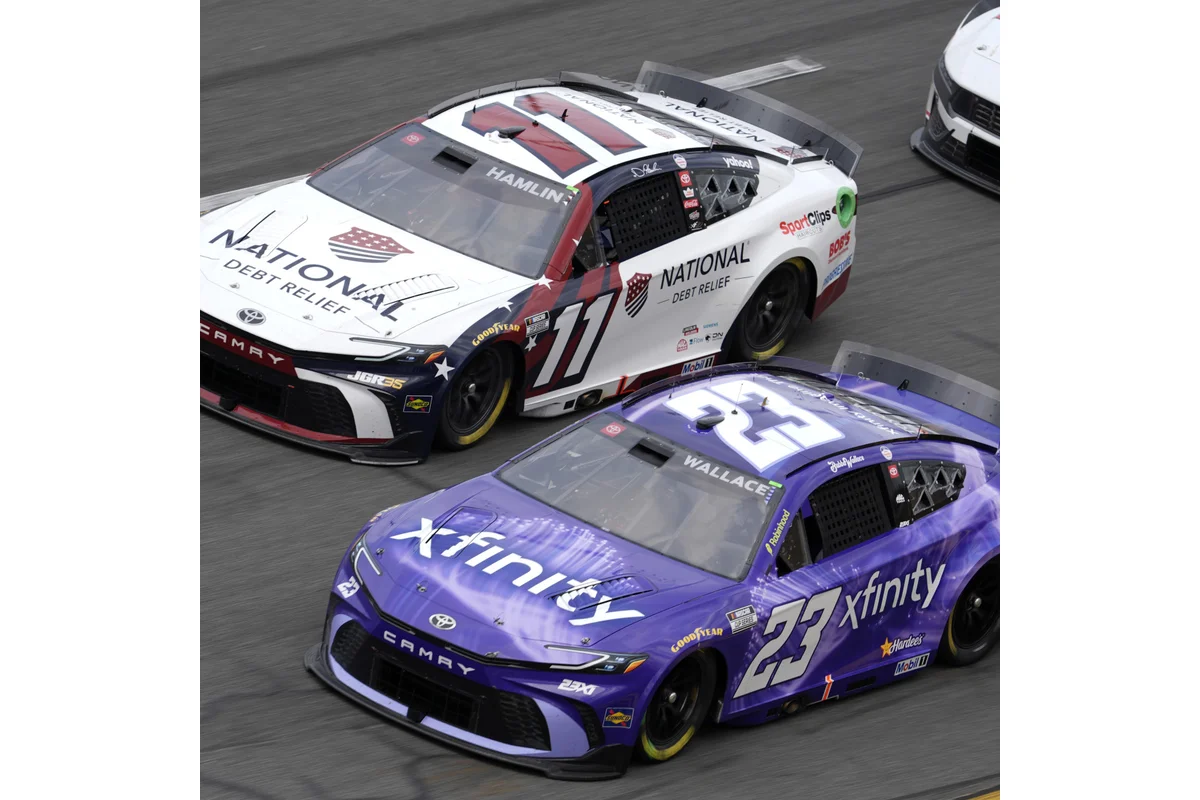
During the intense final lap of the Daytona 500 on February 21, 2026, a last-second maneuver by Denny Hamlin’s teammate Riley Herbst of 23XI Racing caused a major upset, ending Brad Keselowski’s bid for a prestigious victory. As the NASCAR field reached full throttle near the finish line, Herbst’s aggressive move to block Keselowski led to contact that scattered cars and ignited heated reactions among drivers and fans alike. This incident centered around the high stakes and split-second decisions that define the sport’s most famous race, generating ongoing debate about strategy and sportsmanship.
Inside the Final Moments and Driver Perspectives
Racing fiercely in the No. 35 Toyota, Riley Herbst believed his last lap effort was his best chance at seizing a career-making win. Reflecting on his decision to move high on the track, Herbst said,
“So I sat there for a second and my run was so big, to Denny’s point, I either had to hit the brake or I had to move faster. And I kind of slightly hit the brake a little bit as I was turning up, because when I saw them door bang, I was like, well, I’m going to win the race now. And so I went for the top three and ultimately missed it by four inches, five inches,”
highlighting the razor-thin margin between success and disaster.
However, Keselowski of RFK Racing sharply criticized Herbst’s move post-race, describing it as reckless.
“That was one of the dumbest things I’ve ever seen. He (Herbst) had no chance of blocking my run. I had a huge run. I don’t know if I could have gotten [Tyler Reddick] or [Ricky Stenhouse Jr.], but I would have liked to find out because my run was coming fast. And [Herbst] just wrecked himself and us. Pretty stupid,”
Keselowski said, expressing intense frustration over the lost opportunity.
As the leaders battled back into position after an earlier crash on the white-flag lap, Chase Elliott surged ahead, assisted by his team’s draft. Meanwhile, 23XI Racing teammates Herbst and Tyler Reddick were positioned closely behind, setting up a tense showdown. Following the clash exiting Turn 4, Reddick moved low aggressively, while Herbst chose to rise up the track, banking on traction to propel him forward.
How the Move Unfolded and the Resulting Chaos
Herbst’s decision to push aggressively was a gamble at the sport’s highest level of competition, hoping to use momentum to vault from third to first place. Unfortunately, his timing was fractionally off. The contact triggered a chaotic scatter of cars just feet from the finish line, ruining chances for several contenders. Tyler Reddick capitalized on the ensuing mayhem to slip past and claim his first-ever Daytona 500 victory.
While Herbst managed to finish eighth, it was far from the dream ending he envisioned. Denny Hamlin, team owner and driver for 23XI Racing, stood by Herbst’s decision but declined to escalate tensions with Keselowski, focusing instead on the race’s dramatic nature and the fine margins involved in such high-pressure moments.
Denny Hamlin’s Position Amid Broader Team Challenges
In a separate but related matter, Hamlin’s Joe Gibbs Racing team shocked the NASCAR community by filing a lawsuit against former crew chief Chris Gabehart, claiming over $8 million in damages related to alleged misuse of confidential team data and financial information. This legal dispute added complexity to an already volatile environment for Hamlin and his affiliates within the NASCAR garage.
Although no formal statement was issued by Hamlin about the lawsuit, his subtle online response through a reaction GIF featuring former driver Kenny Wallace indicated his intent to avoid public confrontation, preferring to let legal professionals handle the issues while he focuses on racing.
Allegations detailed in the lawsuit accuse Gabehart of attempting to share proprietary information with rival Spire Motorsports following tensions over expanded team control that eventually led to his departure. Gabehart has responded to these claims, further deepening the dispute’s uncertainty.
The Stakes and What to Expect Moving Forward
The dramatic finish at Daytona and the ongoing legal troubles at Joe Gibbs Racing underscore the intensely competitive and often contentious nature of NASCAR’s top tier. Denny Hamlin’s 23XI Racing must now navigate both the fallout from the Daytona 500’s heated final lap and behind-the-scenes turmoil within the team’s leadership ranks. For fans and stakeholders, the controversy raises questions about race conduct, team loyalty, and the impact of off-track disputes on competitive performance.
As the NASCAR season progresses, all eyes will be on how Hamlin’s team balances internal challenges with on-track ambitions. The decisions made in response to these challenges may influence the team’s cohesion and success in future marquee events, including the next major races on the calendar. Meanwhile, the intensity sparked by the Daytona 500’s final moments promises to keep the discussion alive among drivers, teams, and fans eager for both thrilling competition and fair play.
What was going through @rileyherbst's head during the last lap of the DAYTONA 500? pic.twitter.com/2nC0a18q9H
— Dirty Mo Media (@DirtyMoMedia) February 20, 2026
