
Before any racing has started this season, Liberty Media has begun reshaping the top tier of motorcycle racing by pushing significant organizational changes. This restructuring is largely tied to the commercial future of the championship and reflects a strategic recalibration ahead of the upcoming events. Central to these changes is the company formerly known as Dorna Sports, which has rebranded itself as MotoGP Sport Entertainment SL to signify a new chapter in the business and promotional approach of MotoGP.
This rebranding marks the end of an era for the organization that helped establish Grand Prix motorcycle racing as a globally recognized and commercially successful sport. The new name signals an intention to broaden the appeal beyond traditional racing audiences, gearing the sport towards an entertainment-centric model similar to changes seen in other major sports.
Following the Formula One Model to Broaden Appeal
Liberty Media’s influence on MotoGP appears to mirror its 2017 acquisition and revamp of Formula 1, where extensive changes were introduced both on and off the track, including the digital sphere. Although some longtime F1 followers found such changes controversial, the sport’s global audience and engagement have notably expanded under Liberty’s stewardship. This suggests that MotoGP’s own evolution will aim to enhance fan interaction and international reach, extending beyond its core motorsport base.
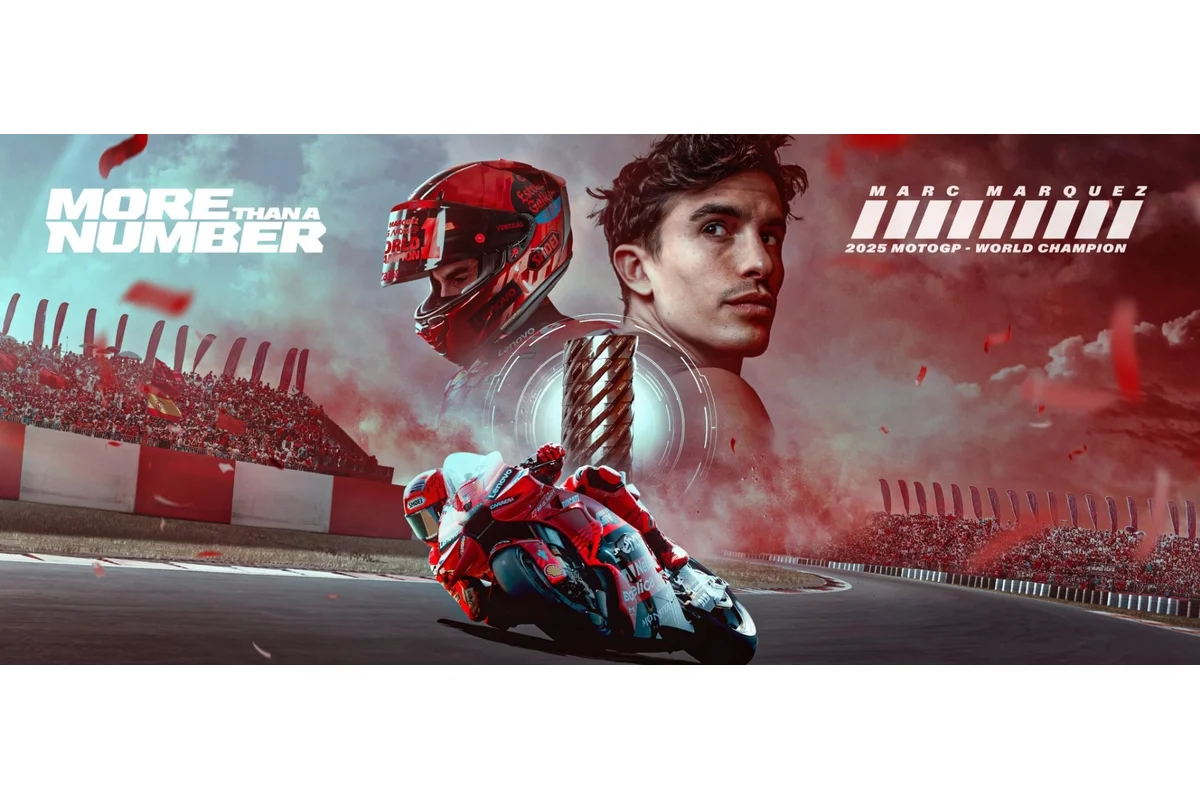
The restructuring is comprehensive, affecting governance across multiple championships, including MotoGP, the Superbike World Championship (WorldSBK), and the FIM Women’s Circuit Racing World Championship (WCR). This wide-ranging alignment points to Liberty Media’s strategy of consolidating commercial operations and fueling growth across these premier motorcycle racing platforms.
Leadership Changes Signal Ambitions for Broader Commercial Growth
Looking toward 2026, the appointment of Borja de Altolaguirre as Head of Sponsorship stands out. Altolaguirre brings a strong background in commercial sports, having previously worked with Paris Saint-Germain F.C. and the National Basketball Association before joining MotoGP as Director of Global Alliances last year. His experience underscores the organization’s intention to enhance mainstream market visibility and attract significant sponsorship on a global scale.
In parallel, Marc Saurina is refocusing his efforts on the WorldSBK championship, aiming to strengthen and expand its commercial viability. Known for its close competition and strong manufacturer involvement, WorldSBK has traditionally been overshadowed by MotoGP when it comes to business potential. Boosting its commercial footprint could be key to diversifying revenue streams across Liberty Media’s racing portfolio rather than relying predominantly on MotoGP.
Expanding Roles to Support Commercial and Marketing Strategies
Daniel Ruiz, who joined in 2025 as Commercial Strategy Director from Adidas, is taking on additional responsibilities with an emphasis on hospitality and licensing. His role will interface closely with the marketing department while the search continues for a Chief Commercial Officer. This forthcoming executive will likely play a crucial role in defining how the sport presents itself to promoters, partners, and fans, reflecting the broader ambition to package MotoGP as a premier entertainment property.
The organizational adjustments collectively hint at a business preparing for a new competitive landscape, one that prizes polished presentation and scalable entertainment offerings. Liberty Media’s history in sports management suggests that these changes aim to position MotoGP firmly within a model that values global fan engagement and commercial growth equally alongside sporting excellence.
Potential Impact on Fans and the Future of the Sport
Most changes are expected to take place behind the scenes, but their effects could eventually reach all aspects of the MotoGP experience, including event presentation, media coverage, and digital engagement. Although corporate name changes often have little emotional impact on fans immediately, they frequently mark a shift in operational direction that can influence the sport’s trajectory.
The real test will be whether this reorganization translates into tangible benefits, but it is clear that MotoGP is positioning itself for a future where entertainment and commercial success are just as important as on-track results. The evolution reflects an understanding that modern sports must balance competition with global audience appeal and business sustainability to thrive long-term.
