
Bernie Ecclestone has forecasted that Max Verstappen will stand apart as the dominant driver in Formula 1’s 2026 season, even though Verstappen has publicly expressed his frustrations with the new generation of cars. The Red Bull driver has criticized the updated regulations, particularly the more stringent energy management requirements, which he described as “Formula E on steroids” due to the significant increase in battery output from 120kW to 350kW.
Verstappen also worries that the complex new rules might alienate fans, a sentiment shared by Lewis Hamilton. However, speaking to Blick, Ecclestone remains certain that Verstappen’s performance levels will remain unrivaled as the season unfolds.
Ecclestone Highlights Verstappen’s Speed Advantage and Required Adaptation
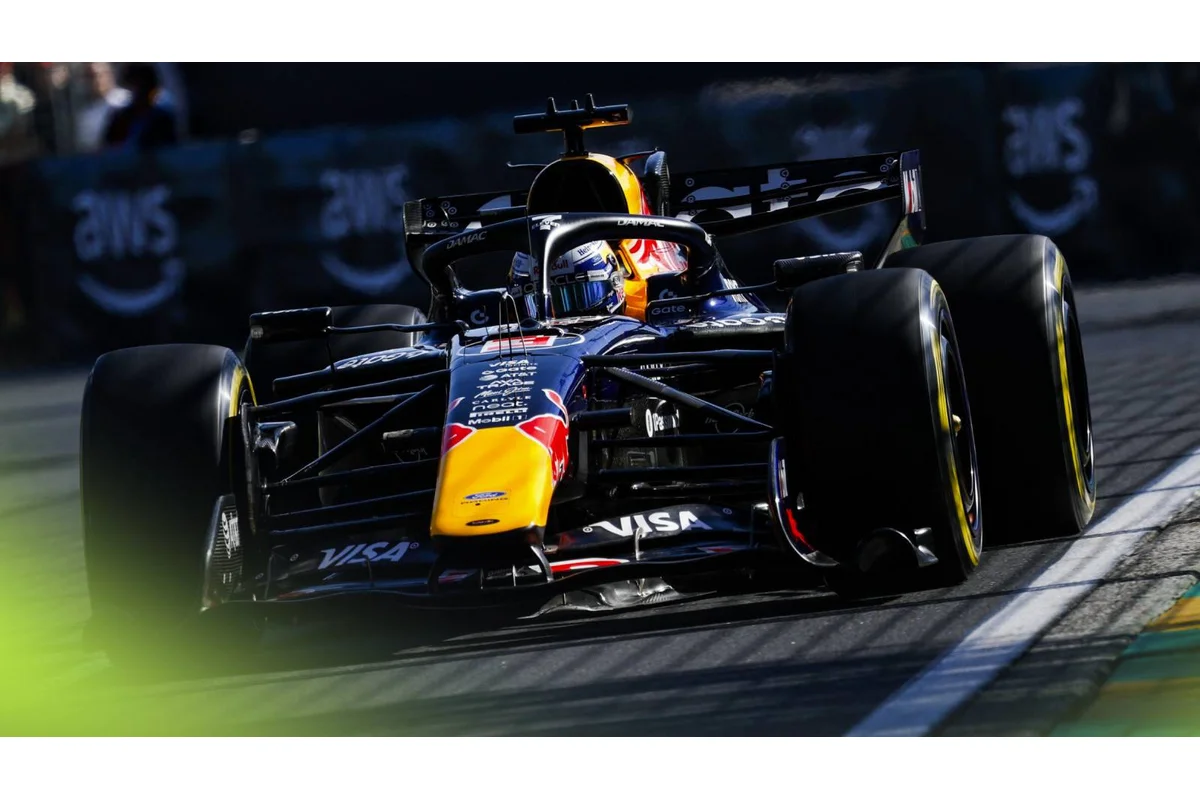
According to Ecclestone, Verstappen’s raw pace exceeds his rivals by about half a second per lap, an edge that is expected to persist under the new regulations. The 28-year-old needs only to fully adapt to the new driving style demanded by the cars to maintain this lead. This season has already seen Verstappen push the limits, evidenced by damage sustained while testing during Friday practice in Melbourne.
“Once Max has truly mastered the new system in the cockpit, he will once again be half a second faster than the rest,”
said Ecclestone.
Reliability Questions Loom Over Red Bull’s New Power Unit
One of the season’s biggest uncertainties is Red Bull’s competitiveness with its debut internal power unit. The team has lowered expectations amid concerns about reliability and performance against Mercedes and Ferrari, who currently appear ahead. Despite this, Bernie Collins remains optimistic and claims the Red Bull engine is “way stronger” than initially anticipated.
Experts and Rivals Assess How New Cars Fit Verstappen’s Driving Style
Williams driver Carlos Sainz has identified Verstappen and George Russell as the primary championship contenders this year. Russell himself has named Verstappen and Ferrari’s Charles Leclerc as his biggest competition. The 2026 cars demand more mental discipline, requiring drivers to manage electrical energy strategically rather than rely solely on aggressive tactics.
Former driver Jolyon Palmer explains that the 2026 cars feature a loose rear end, which plays to Verstappen’s and Leclerc’s driving styles more than Hamilton’s. This characteristic could amplify Verstappen’s advantage as he adjusts to the changes.
Moments of Intensity Highlight Verstappen’s Racing Challenges
Verstappen faced a tense moment at Turn 10 during the recent season, underscoring the ongoing challenge of adapting to the new cars. As the field adjusts, drivers like Verstappen are expected to push performance boundaries while managing the complex demands of the 2026 regulations.
“A big moment for Max at Turn 10 🫣”
— Sky Sports F1
Implications for the 2026 F1 Season and Verstappen’s Prospects
The shift to new F1 cars is reshaping the sport’s competitive landscape, emphasizing strategy and energy management. Verstappen’s ability to master these changes quickly will be crucial for maintaining his supremacy. With support from experts like Ecclestone and cautious optimism from rivals, Verstappen’s dominance could continue despite his concerns. This dynamic sets the stage for a tense, compelling season as teams battle for supremacy amid evolving technical challenges.
https://twitter.com/SkySportsF1/status/2029797525989810234
