
Formula 1 CEO Stefano Domenicali has publicly countered criticism from drivers Max Verstappen and Lewis Hamilton regarding the sport’s major rule changes introduced for the 2026 season. Ahead of this weekend’s Australian Grand Prix in Melbourne, Domenicali emphasized that it is inappropriate for top competitors to disparage the new regulations, which underline the sport’s shift toward sustainability and innovation.
The Introduction of Groundbreaking Regulations at the Australian Grand Prix
The Australian Grand Prix marks the beginning of a transformative phase in Formula 1, featuring its most extensive rule overhaul in the sport’s 76-year history. These modifications include the implementation of hybrid engines that generate half of their power from sustainable fuels and the other half from electric motors, aiming to modernize F1 with a greater focus on environmental responsibility.
Driver Concerns Over the Impact of Enhanced Electrical Power
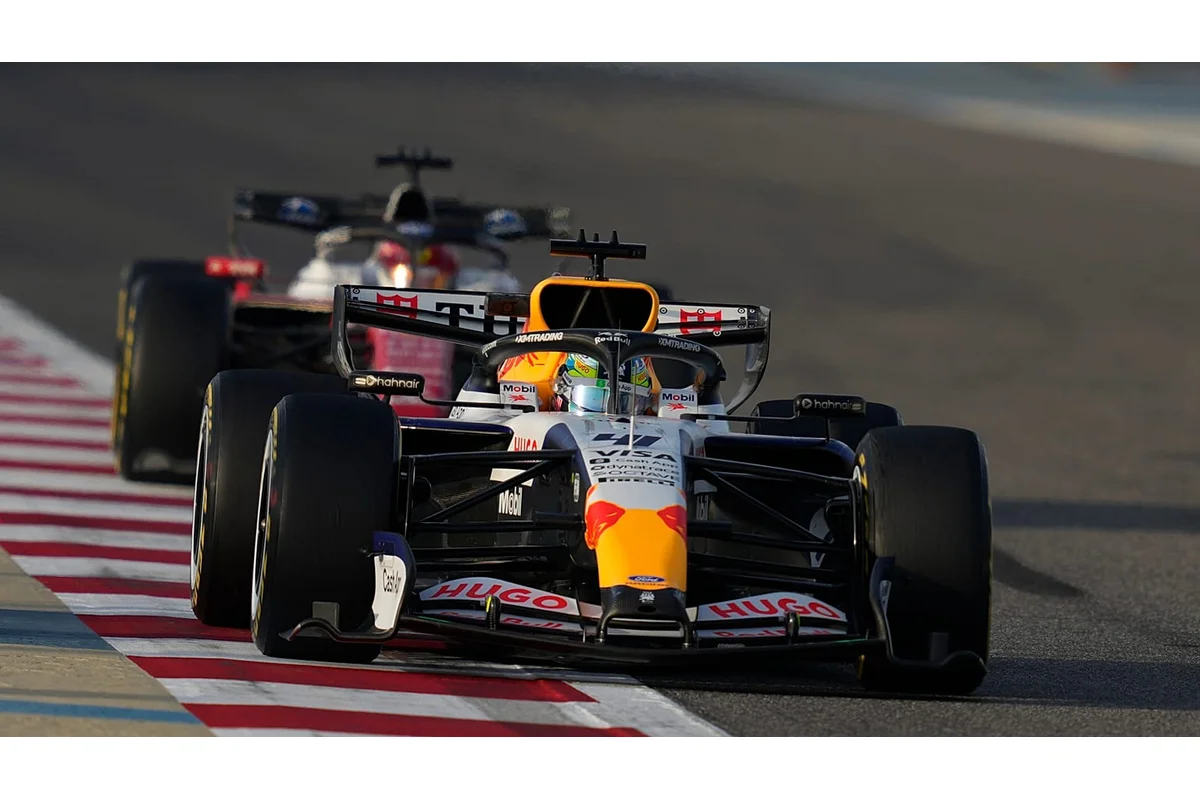
During preseason testing in Bahrain, several drivers voiced apprehensions about the increased reliance on electrical power. Instead of outright speed, they now face the challenge of carefully managing energy deployment throughout each lap. Verstappen has described the new setup as “anti-racing,” while Hamilton expressed doubts about fan comprehension, stating,
none of the fans are going to understand it.
Lewis Hamilton, Driver
Domenicali responded in a Sky Sports interview just before the season launch, saying,
I think it’s wrong, in general terms, to talk bad about an incredible world that is allowing all of us to grow,
Stefano Domenicali, Formula 1 CEO
He added,
But, you know, I always listen [with] prudency. There is an evolution of driving, it means that the best driver will be able to be the fastest.
Stefano Domenicali, Formula 1 CEO
Specific Challenges Presented by Certain Circuits, Including Albert Park
Circuit layouts such as Melbourne’s Albert Park have raised strategic challenges under the new formula. Drivers find few chances to recharge the battery through heavy braking zones, forcing energy recuperation in other sections like high-speed corners where they formerly would drive flat-out. This balancing act requires sacrificing lap time in some areas to build energy reserves that can be deployed later for faster acceleration and overall lap gains.
Enhancing Fan Engagement Despite Complex Strategy
Despite the increased emphasis on energy management and strategic driving, Domenicali expressed optimism about spectator involvement. Speaking at the Melbourne event, he said,
That’s why I do believe that the strategy we have taken is the right one. To keep really hammering down, knowing that we can sit and be focused on delivering something more for our fans.
Stefano Domenicali, Formula 1 CEO
He highlighted the enthusiastic crowd and growing interest among younger audiences, noting that the sport’s adjustments are attracting a new generation of fans focused on track action.
Motivations Behind the Transition to Hybrid Power Units
The 2026 regulatory framework was developed after broad discussions starting in 2022 with key stakeholders, including power unit manufacturers and new entrants like Audi. The aim was to align Formula 1 with global trends pushing away from traditional petrol engines and towards more sustainable mobility solutions.
Domenicali explained the broader rationale, saying,
This year we are bringing a new power unit for the reason that was obvious a couple of years ago: We wanted to attract more manufacturers,
Stefano Domenicali, Formula 1 CEO
He continued,
We knew that the sustainable fuel was an element that would be attractive for the manufacturers, knowing that in terms of mobility, manufacturers should focus not only on electrification. And that’s why this project started.
Stefano Domenicali, Formula 1 CEO
This shift motivated Honda to reconsider its planned exit after 2025, with the company now opting to continue competing in F1 under the new regime.
Early Signs of Performance Trends from Pre-Race Practice Sessions
In the second practice session at the Australian Grand Prix, McLaren’s Oscar Piastri posted a fastest lap time that was 3.3 seconds slower than the equivalent session last year, reflecting the initial challenges teams face adapting to the new power units and energy-focused racing. Domenicali remains confident this performance gap will narrow as the season progresses and development advances.
He stated,
I think that the possibility to develop this car, both from the engineering point of view and also from the driver’s point of view, will enable us to see very, very soon a car that will be faster,
Stefano Domenicali, Formula 1 CEO
He further highlighted the collaborative environment within F1’s engineering teams and governance bodies, affirming a flexible approach to addressing any needed regulatory adjustments to improve the sport.
“The world of engineers behind F1 is incredible. The approach that we have discussed already in the last F1 Commission with the FIA, with the teams, very openly. If we see something that needs to be addressed, we’re going to address it in the right way.
But I think that now we are on a course where everyone realises that if there is something clear that has to be done to improve [F1], why not? Let’s do it.
”
Stefano Domenicali, Formula 1 CEO
Significance of the New Rules for Formula 1’s Future
The 2026 regulations represent a fundamental evolution in Formula 1, steering the sport towards sustainable technology and future-proofing its global relevance. Domenicali’s stance underscores the importance of embracing change within this evolving landscape, even amid criticism from some of its most prominent figures. The focus on hybrid power units and energy management may reshape racing tactics, car development, and fan experience alike.
As the season unfolds, the ability of teams and drivers to adapt will be critical not only to competitive success but to maintaining Formula 1’s position as the pinnacle of motorsport innovation and excitement.
