The Fédération Internationale de l’Automobile (FIA) is working to settle a dispute among Formula 1 teams concerning the new 2026 power unit regulations before the upcoming season begins. With the Australian Grand Prix scheduled for March 8, the governing body aims to prevent the disagreement from escalating into legal battles, keeping the competition focused on track performance instead.
Concerns have been raised by Ferrari, Honda, and Audi, who worry that Mercedes, the favorites for the pre-season title, along with Red Bull—now producing their own power unit—may have exploited a regulatory loophole to gain a performance edge. The specific area of contention centers on compression ratio limits established under the new 2026 engine rules.
Compression Ratio Concerns and Regulatory Challenges
Under the updated regulations, the compression ratio limit has been lowered from 18.0 to 16.0, but measurements are taken only when the engine is not at full operating temperature. This has led to suspicions that some manufacturers might increase the compression ratio when the engines run hot, bypassing the intended limits.
Nikolas Tombazis, FIA’s single-seater director, explained in a recent video interview that engineers continually seek competitive advantages, sometimes stretching the rules.
“As these engineers are very clever and always pushing for an advantage, some have found ways to potentially increase it (the compression ratio) when the engine is running hot, and that is the discussion we’re having now,”
Tombazis said.
He added,
“We’ve spent a lot of time discussing how we solve those issues, and our intention is of course to solve them for the start of the season.”
The FIA emphasizes its desire to avoid off-track controversies. Tombazis stated,
Image of: Formula 1
“We don’t want to have controversies. We want people to be competing on the track, not in the courtroom or in the stewards’ room, and that’s what we try to do.”
Frictions Between Teams Over Compliance and Advantages
The tension over engine legality has already sparked pointed exchanges. Mercedes team principal Toto Wolff addressed critics of his team’s engine, telling them to “get your s*** together” and accusing them of making “excuses before you even started.” Meanwhile, team leaders supplied by manufacturers not thought to be benefiting from the loophole assert their confidence in their engines’ compliance with regulations.
This engine debate unfolds amid one of the most substantial regulation changes in F1 history, which affects both chassis and power unit designs. Tombazis noted the inevitable friction that arises with new rules, saying,
“It’s impossible when we have new rules not to have such areas of discussion, that’s always been the case.”
He further clarified the FIA’s vision for the sport:
“I think what has changed is that we are determined to make this a championship of competition between the best drivers, the best engineers, the teams, but not a championship of rule interpretation.”
“We want it to be a championship of engineering prowess as well as driving prowess, but not of actually just a smarter rules interpreter.”
Possibility of Regulatory Votes and Ongoing Discussions
Sky Sports News reporter Craig Slater has reported that while some teams, including Honda, Ferrari, and Audi—and possibly Red Bull—have considered joining forces to force a regulatory change through a “super majority” vote, this option remains distant. Achieving such a change requires approval from six of the seven decision-makers, which include the five engine manufacturers, the FIA, and Formula 1’s commercial rights holders.
Slater explained,
“I don’t even think we’re close to voting territory yet. There are other solutions that can be found and there are still discussions to be had.”
“Senior figures from within the sport have advised me that, even if some teams are getting a bit het up about it at the moment, maybe other issues will begin to supplant that once the season gets under way.”
Craig Slater, Sky Sports News reporter
Pre-Season Testing Schedule in Bahrain and Broadcast Information
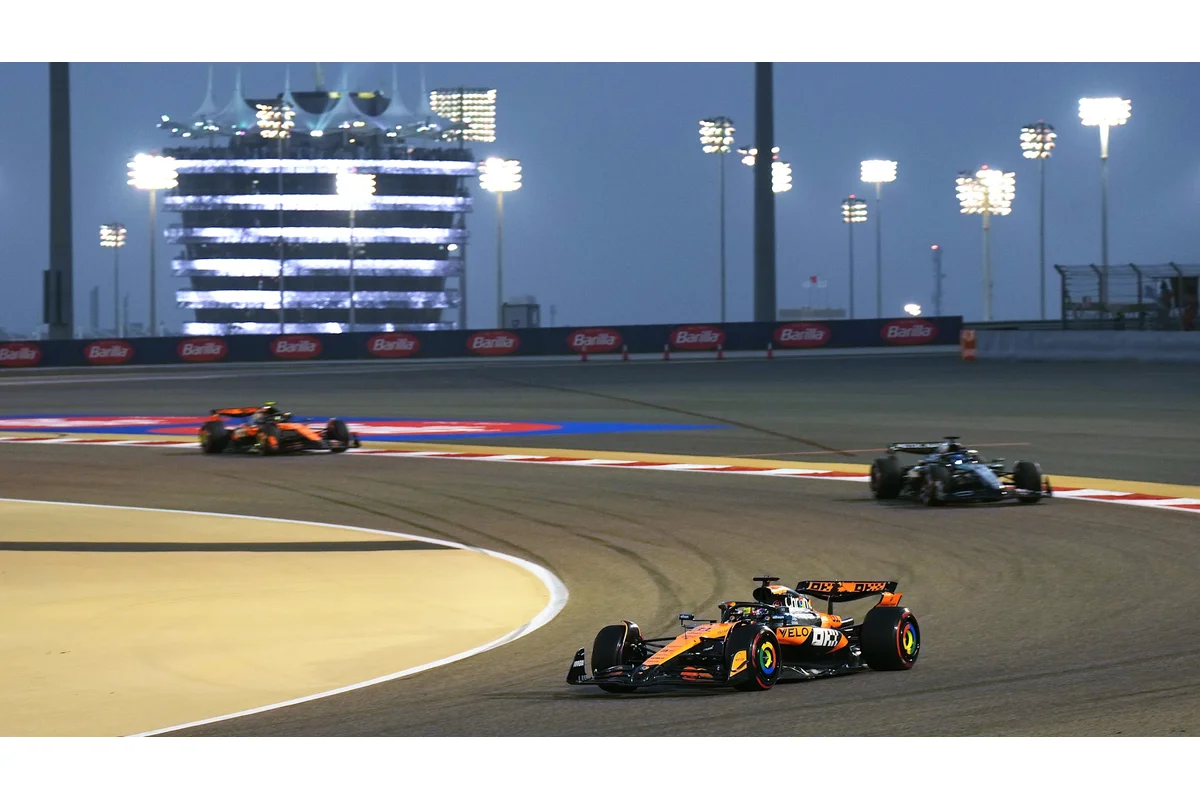
Before the official start of the season, teams will participate in two pre-season testing sessions in Bahrain. Test One will take place from February 11 to 13, with the final hour of track running available live at 3 p.m., followed by evening programming. Test Two is scheduled for February 18 to 20, featuring live morning and afternoon sessions starting at 6:50 a.m. and 11:55 a.m. respectively, with testing wrap-ups each evening.
Fans can follow every race of the 2026 F1 season live on Sky Sports, beginning with the Australian Grand Prix from March 6 to 8. Additionally, viewers may stream coverage through NOW without a contract, offering flexible access.