
During the recent Thai Grand Prix, Yamaha endured a severe setback as the team’s riders collectively earned only three points, marking one of their poorest performances this season. In an unprecedented response, Yamaha chose to impose a media blackout on its MotoGP riders throughout race day, aiming to stem escalating internal tensions and avoid potential public backlash.
Quartararo’s Frustration Comes to a Head
Insider information from Motorsport España revealed that reigning champion Fabio Quartararo finished the race visibly outraged and declined to comment afterward.
Fabio finished the race seething. It was better for the team that he said nothing, as he could have ruined everything,
an insider shared. This suggests that a candid post-race interview might have triggered a damaging critique of Yamaha’s recently introduced V4 engine, which is struggling in its competitive debut.
The Decline from Dominance to Disappointment
Just a year earlier, Quartararo was a dominant force on Yamaha’s previous inline four-cylinder engine, securing five pole positions during the season. However, at the Thai Grand Prix, he failed to qualify for Q2 and concluded the race in a disappointing 14th place, finishing nearly thirty seconds behind winner Marco Bezzecchi. Rather than proving a step forward, the new V4 engine has so far resulted in clear regression, raising serious doubts among fans and team personnel alike.
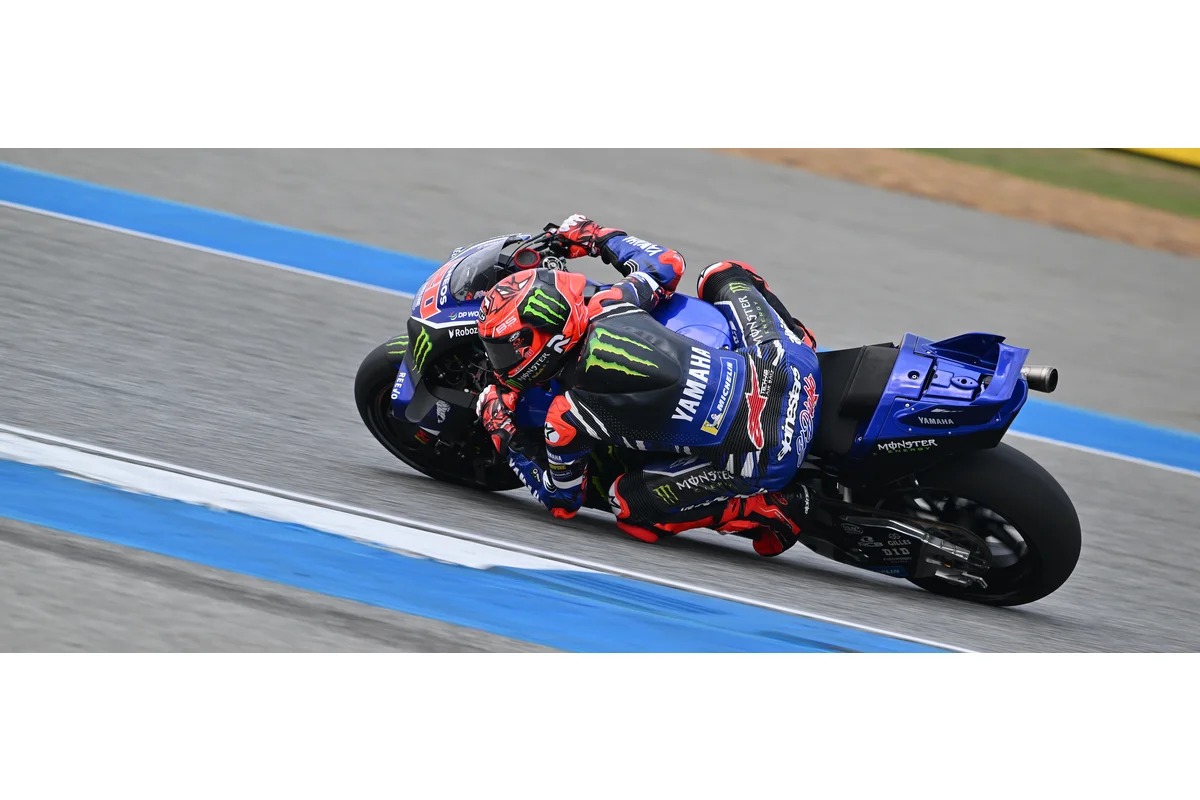
Tensions Intensify Amid Technical Concerns and Contractual Challenges
The issue extends beyond race results, reflecting deeper concerns about Yamaha’s technical strategy. As Quartararo prepares for what is likely his final season with Yamaha before moving to Honda in 2027, the atmosphere within the team has soured due to mistrust over engineering choices. Yamaha’s decision to silence its riders was not taken lightly. Normally, riders must participate in post-race media interviews as per their contract, but the MotoGP Sports Entertainment Group granted Yamaha an exceptional waiver to avoid a public relations disaster amid this sensitive period.
Speculation Over Yamaha’s Possible Engine Reversal
Rumors abound that Yamaha might temporarily revert to the older inline four-cylinder engine mid-season to salvage their campaign, a measure that some believe Quartararo may support. Such a move would implicitly acknowledge the shortcomings of the V4 engine while jeopardizing planned long-term development in line with 2027 technical regulations. Backtracking now would signal a major setback for Yamaha, but persevering with the current engine could intensify existing tensions with their leading rider.
High Stakes for Quartararo and Yamaha’s Future
With his switch to Honda already confirmed for 2027, Quartararo has little room to tolerate another disappointing season. A difficult 2026 could damage his legacy but might also accelerate his departure from Yamaha on an emotionally charged note. Meanwhile, teammates Jack Miller and Alex Rins have voiced their concerns more diplomatically, but Quartararo remains the key figure in Yamaha’s plans, making his silence during this crisis profoundly significant rather than a mere absence of comment.
Mounting Pressure on Yamaha to Close Performance Gap
Yamaha’s strategy to enforce rider silence may have provided a temporary shield from negative exposure, but the underlying problems persist with intensity. The critical question ahead is whether the manufacturer can reduce the staggering thirty-second deficit to their rivals or if the worsening internal discord will continue to erode their standing. Fans and experts worldwide watch closely as Yamaha approaches a pivotal moment that could define its future trajectory.
As the MotoGP season unfolds, the growing conflict between Fabio Quartararo and Yamaha offers a stark illustration of the challenges faced by top motorsport teams navigating innovation, performance pressures, and star talent management. The outcome of this crisis will likely shape the competitive landscape for years to come.
