
The FIA has initiated an electronic vote among manufacturers concerning the disputed Mercedes engine compression ratio, with a rule clarification anticipated within the next ten days. This move comes after a week of intense discussions in Bahrain involving the F1 Commission and the Power Unit Advisory Committee, as the governing body seeks to resolve ongoing questions over compliance with engine regulations before the Formula 1 season begins.
Proposed Rule Change Targets Operating Temperature Compliance
The proposal under consideration would require engines to adhere to the 16:1 compression ratio limit not only at ambient temperature but also at a representative operating temperature of 130 degrees Celsius starting August 1, 2026. This amendment responds to concerns that current procedures may not fully enforce the spirit or letter of the technical rules, particularly regarding engine performance under race conditions.
Dispute Over Inspection Methods and Engine Design
Rival teams have challenged a recent FIA inspection at Mercedes’ Brixworth facility, claiming the process did not measure the engine at sufficiently high temperatures. Reports indicate that while the engine was heated to 115 degrees Celsius during testing, it cooled down to about 75 degrees Celsius during disassembly and examination, potentially compromising the accuracy of the compliance check. Some in the paddock believe this testing approach could conceal a performance advantage worth as much as four-tenths of a second per lap.
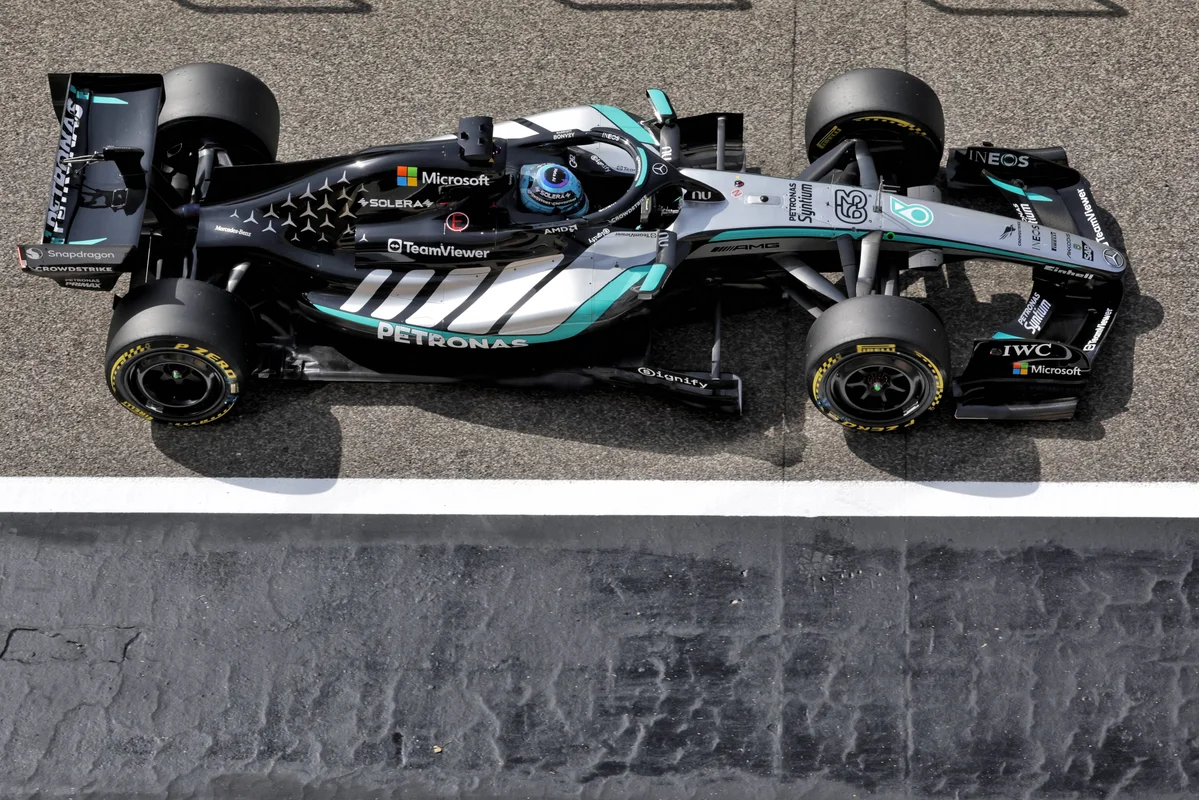
Central to the controversy is an alleged microchamber inside the Mercedes cylinder head, reportedly no larger than two cubic centimeters, which meets the 16:1 compression ratio at room temperature but becomes ineffective when the engine runs at full operating heat.
Mercedes Maintains Transparency Throughout Development
Mercedes has defended its position, stating that it kept the FIA fully informed throughout engine development and received approval for each stage of its design. Despite the ongoing debate, Mercedes insists their engine complies with regulatory requirements.
Ferrari Expresses Concern Over Timing and Clarity of Regulations
Frederic Vasseur, Ferrari’s team principal, voiced frustration over the timing and clarity of the regulations just weeks before the season opener. Speaking to Sky Italia, he remarked,
“There are two weeks to go until the start of the world championship, and we still have to ask for clarification on the regulations. It’s quite embarrassing,”
Vasseur added in an interview with Auto Hebdo,
“Coming to the first race with different interpretations of the regulations would lead to significant differences in performance. And that’s not good for the sport.”
He further suggested,
“I think it’s much simpler to lower the compression ratio than to force others to increase it. Technically, solutions exist, yet we’ve been talking about them for months, and two weeks before the first GP, we’re still forced to ask for clarification.”
During the F1 Commission meeting on Wednesday, Vasseur acknowledged the importance of dialogue but emphasized the urgency, saying,
“Discussion is always important. It was a great meeting. It’s always important to discuss things together to try to find solutions. We’re in a bit of a rush now.”
He concluded,
“The first race is in 10 days. We’ll have to make a decision and take a step forward. This season could be exciting with the new regulations, but we need to clarify this issue as soon as possible.”
Mercedes Warns of Risks from Overregulation
Mercedes team principal Toto Wolff expressed concerns about increasing regulatory intervention, fearing it could diminish engineering creativity in Formula 1. He stated,
“There’s a feeling in our sport that there are people who want identical cars in Formula 1, without formally defining it,”
Wolff continued,
“But that means we no longer need engineering ingenuity and interesting solutions, that rules can be made up and changed on the fly, complicating an already difficult situation.”
He underscored the core value of innovation, saying,
“The very essence of Formula 1 is to achieve high performance, attract the best engineers and the best people, and give them freedom within the rules. At some point, this can work in your favor, at others, against you.”
Regarding FIA President Stefano Domenicali’s role, Wolff expressed confidence, adding,
“But I believe that Formula 1 president Stefano Domenicali sees the big picture, and his position will prevent manipulation.”
Implications for the Upcoming F1 Season
The ongoing dispute over the Mercedes compression ratio is critical ahead of the Formula 1 World Championship start, with teams and regulators under growing pressure to reach clarity swiftly. As the vote proceeds, the outcome will influence technical guidelines for engine compliance not only this season but in future years, potentially reshaping how performance regulations are enforced. How the FIA navigates these tensions between innovation and rule enforcement may have lasting effects on the sport’s competitive balance and technological development.
