
The opening race of the Formula 1 2026 season, scheduled for next Sunday in Melbourne, faces uncertainty amid escalating conflict in the Middle East. Rising geopolitical tensions in the region have triggered significant security and travel disruptions, casting doubt on the championship’s kickoff.
Following reports that Iran launched attacks on a US military airport near Bahrain and a building in Manama, Bahrain’s capital, the situation intensified rapidly. Missile and drone incidents have also been reported in Qatar, Dubai, and Abu Dhabi, leading to widespread airspace closures and major flight suspensions at key hubs like Dubai International, Abu Dhabi International, and Doha’s Hamad International Airport.
Impact of Regional Conflict on Formula 1 Preparations
The timing of these events has severely disrupted Formula 1’s pre-season activities, especially the essential wet-weather tyre testing that was planned in Bahrain. Pirelli’s testing sessions were abruptly canceled as safety concerns prompted teams and personnel to retreat to their hotels. Organizers are now working to arrange safe departures from the affected region.
This disruption extends into challenges for the teams traveling to Australia for the season opener. The closure of airspace in the Middle East has forced many personnel to seek alternative travel routes, causing delays and logistical headaches. For example, mechanics from Racing Bulls became stranded in Bologna, Italy, after their Dubai flight was canceled, while Mercedes staff had to reroute via other airports to reach Melbourne.
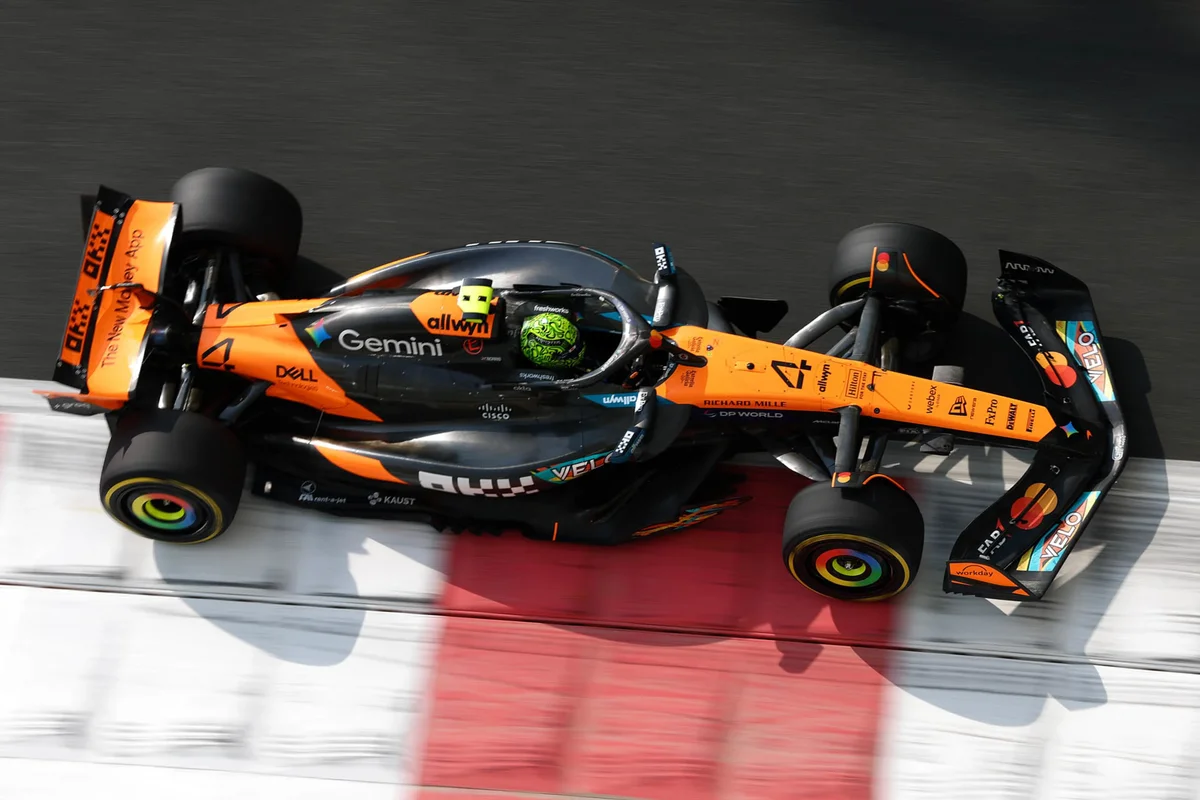
Despite these hurdles, Mercedes remains hopeful that all key team members will arrive on time to prepare for the race weekend at Albert Park. Behind the scenes, an intense logistical effort is underway to transport around 2,000 team employees and critical equipment. Alternative routes through Singapore and Hong Kong are in particularly high demand as teams aim to circumvent the restricted Middle Eastern airspace.
Formula 1 Leadership Responds to Emerging Challenges
Formula 1 officials are actively monitoring the situation and evaluating contingency measures should tensions escalate further. While neither the Bahrain nor the Jeddah Grands Prix are currently at immediate risk, organizers remain cautious as the Bahrain Grand Prix is set for April 12, with the paddock scheduled to arrive in early April.
Our next three races take place in Australia, China, and Japan — not in the Middle East,
sources close to Formula 1 emphasized, aiming to ease immediate concerns.
Nevertheless, the sport keeps vigilant watch over developments, maintaining close communication with authorities. The current crisis recalls the 2022 Saudi Arabian Grand Prix weekend, when a missile strike near an Aramco facility in Jeddah threatened safety but ultimately did not halt the event after local security reassurances.
The unfolding situation’s effect on the 2026 race calendar hinges on how regional tensions evolve. Officially, the Bahrain and Saudi Arabian Grands Prix remain scheduled as planned. However, heightened concerns have led to discussions about backup strategies.
One contingency under consideration is the possibility of the Turkish Grand Prix serving as a last-minute substitute for the Bahrain event if security conditions worsen. While no formal decisions have been made, this option underscores Formula 1’s intent to protect personnel and ensure the season begins smoothly despite ongoing instability.
The disruptions in the Middle East constitute a formidable challenge for Formula 1 as it navigates complex logistics and safety considerations just days before the season launch. With so many teams and key staff affected by travel interruptions, the viability of commencing the 2026 campaign on schedule remains uncertain, making the coming days critical for the sport’s leadership.
https://twitter.com/cfmagindia/status/2027949025849417945
Formula 1 is closely watching events in the Middle East as reverberations of the hostilities reach the paddock, with Pirelli forcing to cancel a tyre test that was set to take place in Bahrain this weekend.https://t.co/qaSHVxEASP
— F1i (@F1icom) March 1, 2026
