
Following the first race of the 2026 Formula 1 season in Melbourne, significant concerns have emerged from drivers regarding the new regulatory framework. These worries center on how the latest technical changes are impacting the driving experience and race dynamics, prompting calls for urgent revisions to maintain the sport’s appeal.
The 2026 season introduces a major overhaul, featuring a new power unit architecture that balances combustion engine output at 540 hp with an electric motor producing 470 hp. Alongside this, cars now run with reduced downforce and drag, while active aerodynamics have replaced the traditional DRS system. Drivers must also manage energy harvesting and deployment throughout the race, altering their approach on every lap.
How the New Rules Are Changing Racing Strategies
Early practice and race sessions in Australia demonstrated how drastically the new cars behave compared to previous models. Drivers frequently lift off the throttle earlier to recharge batteries, with energy conservation playing a critical role in race strategy rather than raw speed alone. This shift has sparked debate about the balance between technical innovation and driver engagement.
Kevin Harvick, a former NASCAR Cup Series champion, drew parallels between F1’s situation and NASCAR’s own recent experience with its “Next Gen” car, introduced in 2022. Harvick noted that as teams adapt to new technologies, some previously essential driver inputs can be diminished.
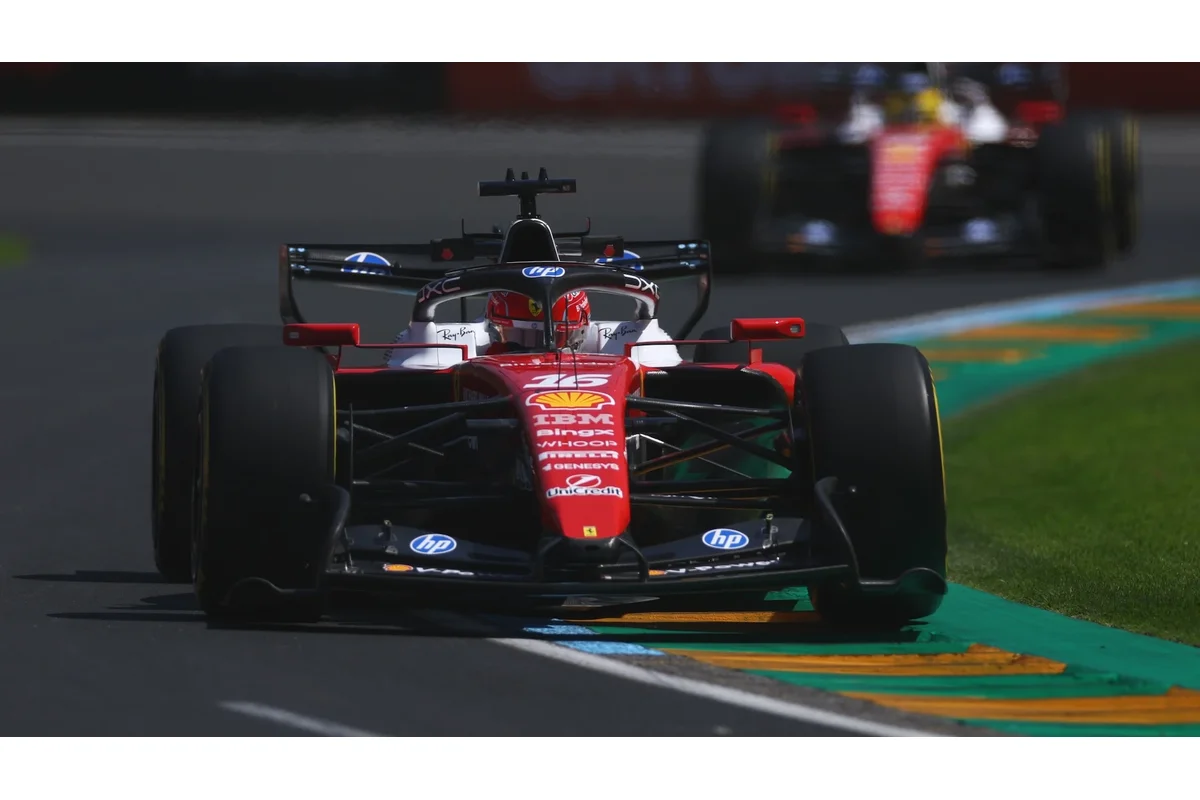
“I’ll go back to when NASCAR redesigned their car,” Harvick said on SPEED with Harvick and Buxton (26:54 onwards). “We’re in our fourth year now with the Gen 7 car. When we first had the car come on the racetrack, it was great racing. But then the teams figured out a lot of things and it really exposed some of the weaknesses that the car has had.”
“That really took some of the things out of the driver’s hands that they want in their hands. And I think that the drivers having the input… NASCAR has really listened to what the drivers are looking for in the race car. They’ve been searching for it from an aerodynamic side. Really tough to achieve with this particular car that we are racing,” he continued.
High-Profile Drivers Voice Their Discontent
Harvick further emphasized that Formula 1 must heed driver feedback closely to avoid deeper issues. He highlighted concerns raised by top drivers, including multiple world champion Max Verstappen, who has openly questioned his desire to continue racing under the current conditions.
“So Formula 1’s going to have to listen to the drivers. Because if the drivers aren’t enjoying it, there aren’t too many other people that have a microphone in front of their mouth that can give an opinion… You’ve got a multi-time world champion, Max Verstappen, saying he’s going to go do something else because he just doesn’t want to drive the car anymore, you’ve got a big problem,” he added.
Verstappen described the car’s behavior as akin to “Formula E on steroids,” pointing out how energy management frequently dictates lap pace more than outright speed. Other drivers have echoed similar frustrations, noting that their focus has shifted from racing aggressively to conserving power strategically.
Industry Voices Analyze F1’s Direction and Driver Experience
The new regulation changes have sparked discussion beyond the driver community. On the SPEED with Harvick and Buxton podcast, host Will Buxton expressed skepticism about the focus on energy conservation contrasting traditional expectations of Formula 1’s racing intensity.
“You want to get to Formula 1,” Buxton said (24:50 onwards). “Every step of the way the cars get bigger, louder, faster. You need more commitment, more bravery… To then think you’re three-quarters down a straight and you have to lift, coast… That’s doesn’t scream pinnacle of racing to me.”
Harvick shared similar reservations, emphasizing that Formula 1 should represent the ultimate in automotive performance and driver skill, rather than focusing on battery management as a central aspect of racing.
“I think that you look at Formula E, it’s an electric car racing series,” Kevin Harvick said. “Formula 1 is supposed to be the most badass car you can put on a racetrack. Anytime you’re trying to recharge the battery and do all these crazy things… it takes the purity out of what the driver has to do and the car has to do.”
Reactions from the Wider Motorsport Community
The effect of the 2026 regulation changes extends beyond Formula 1 itself. William Byron, a driver for Hendrick Motorsports, commented on the Australian Grand Prix crash involving Oscar Piastri, which underscored the challenges drivers face adapting to the new cars.
Incidents like these further highlight the broader concerns about safety and competitiveness under the revised technical rules. The emphasis on energy harvesting and deployment has fundamentally altered racecraft, attracting significant scrutiny within the motorsport world.
F1 Leadership Responds to Criticism, Calls for Patience
In response to the mounting feedback, Formula 1’s CEO Stefano Domenicali urged fans and critics to allow time for teams and drivers to fully adjust to the new technology. He stressed that the changes were specifically designed to welcome additional manufacturers and promote sustainable advances in automotive engineering.
The governance expects that as teams unlock the full potential of these regulations, the racing quality will improve and driver satisfaction will increase, though the current reactions emphasize the balancing act between innovation and maintaining traditional racing thrills.
Outlook for Formula 1 Amidst Driver Concerns
Formula 1 now finds itself at a critical crossroads, with driver dissatisfaction threatening to overshadow the technical leap forward. The sport’s future may depend on striking a better balance between cutting-edge engineering and preserving the elements that make F1 racing compelling for drivers and fans alike.
As 2026 continues, the responses from Max Verstappen, Kevin Harvick, Will Buxton, and others will likely influence potential mid-season adjustments or longer-term policy revisions. How the governing bodies manage these challenges will determine not only race-day excitement but also Formula 1’s standing as motorsport’s premier series.

