
Gabriel Bortoleto expressed clear frustration with the new generation of Formula 1 cars while testing in Bahrain ahead of the upcoming season. During these early pre-season trials, the Brazilian driver struggled with the complexities of the new rules affecting his Audi-powered R26 vehicle, highlighting challenges linked to car handling and battery management.
After completing 49 laps on his first day, Bortoleto collected crucial data but found the car difficult to control, often locking up the brakes and wrestling with downshift procedures as well as energy deployment. His performance underscored the adjustments drivers face with the recently introduced technical regulations.
Adapting to New Audi Power Unit and Handling Difficulties
Preparing for his second full Formula 1 season, Bortoleto is now racing under Audi’s banner following their acquisition of Sauber. While the initial test day had positive moments, the R26’s reduced cornering grip proved tricky. The Brazilian commented on the noticeable drop in car speed compared to last year and the difference in driving feel.
He said,
“It’s less fast than last year for sure. Everyone always thinks that because you have faster cars, it’s always more enjoyable. But sometimes it’s also enjoyable to have a car that has less grip. You play more with it.”
I still don’t have a clear opinion of what I prefer because it’s very early stages.And I need to see also how you race with this. Because we so far haven’t raced with these new regulations. But it’s enjoyable .It’s nice.
? Gabriel Bortoleto, Formula 1 Driver
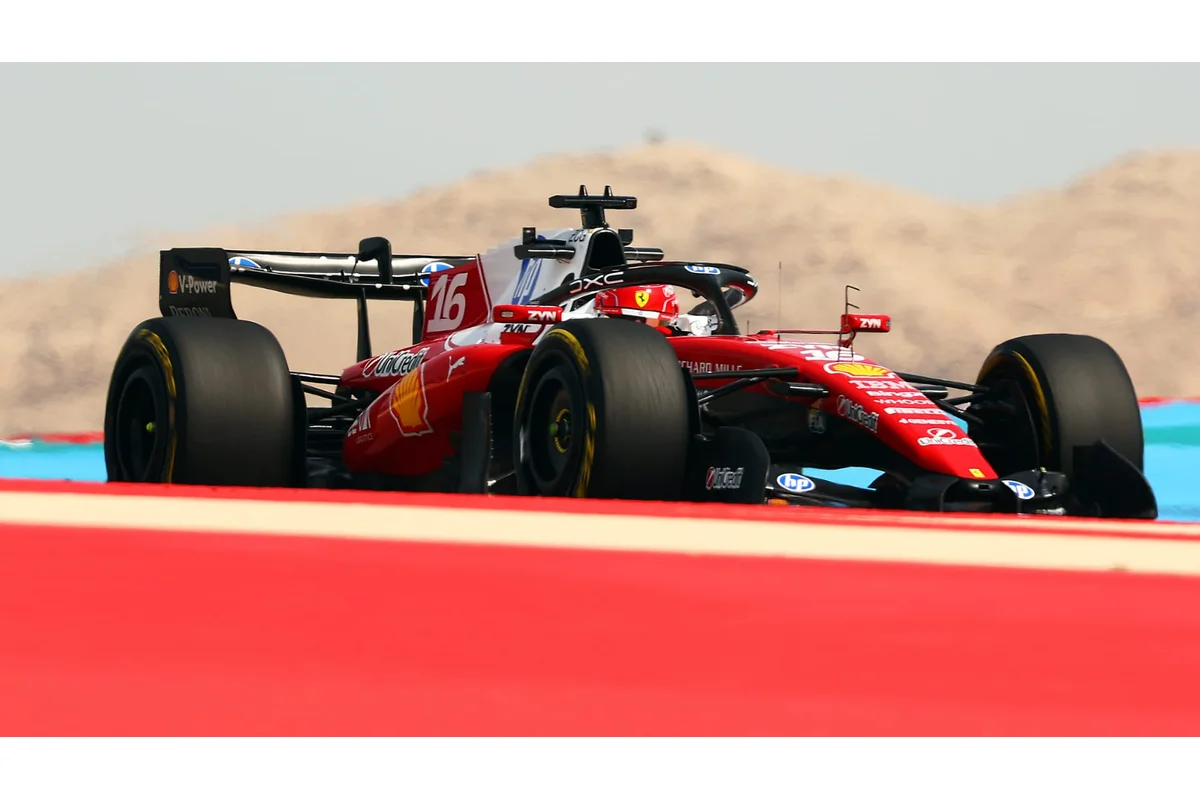
Battery Management System Adds Complexity to Race Starts
A significant source of Bortoleto’s evident frustration comes from the new battery management system requiring a ten-second spool-up before full energy deployment, complicating race start procedures. The timing needed to engage the energy boost at lights out proved difficult to master.
“Oh man, it’s complicated,” Bortoleto admitted, describing the sequence of actions involved during the start.
“The 10 second thing and then after 5 seconds I already lost the count. And then engine driving up, gear in and out. You need to release the clutch. It’s quite a mess. It was much easier last year.”
Challenges Ahead for Drivers with New 2026 Formula 1 Car Regulations
Bortoleto’s comments illustrate the steep learning curve drivers face as the 2026 Formula 1 regulations come into effect. With less mechanical grip and complex energy deployment systems, the new cars demand rapid adaptation from teams and drivers alike. His experience in Bahrain reveals the technical hurdles that will need to be overcome as the season progresses.
As the sport continues its shift toward hybrid powertrain evolution and aerodynamic changes, the feedback from drivers like Bortoleto will be vital in refining the cars’ performance and race strategies. What remains clear is that mastering these new machines will be crucial for success in this transitional season.
