
Gabriel Bortoleto F1 battle tactics came into focus after a key encounter between the Sauber rookie and two-time Formula 1 world champion Fernando Alonso at the Austrian Grand Prix. Taking place at Spielberg, Bortoleto made an impression by earning his first career points and finishing eighth after securing a maiden Q3 qualifying result.
Despite having fresher tyres towards the latter stages, Bortoleto could not get past Aston Martin’s Alonso, who was running a one-stop strategy and holding position ahead. The challenge intensified in the final laps with Bortoleto analyzing post-race how Alonso’s mastery with blue flags and Drag Reduction System (DRS) played a significant role in the outcome.
Clever Use of Rules at the Red Bull Ring
The Red Bull Ring’s layout offers strategic opportunities, especially around the second DRS detection point, found under braking before Turn 3—one of the prime overtaking sections. Bortoleto described how Alonso skillfully manipulated both the blue flag procedures, when Lando Norris was approaching to lap them, and the DRS rules to his advantage.
Reflecting on his choices during the duel, Bortoleto pinpointed a decisive moment where he expected to overtake Alonso but the Spanish driver’s tactics paid off. Alonso intentionally slowed before the DRS line, allowing himself to be overtaken briefly and then regaining the DRS advantage for the next straight.
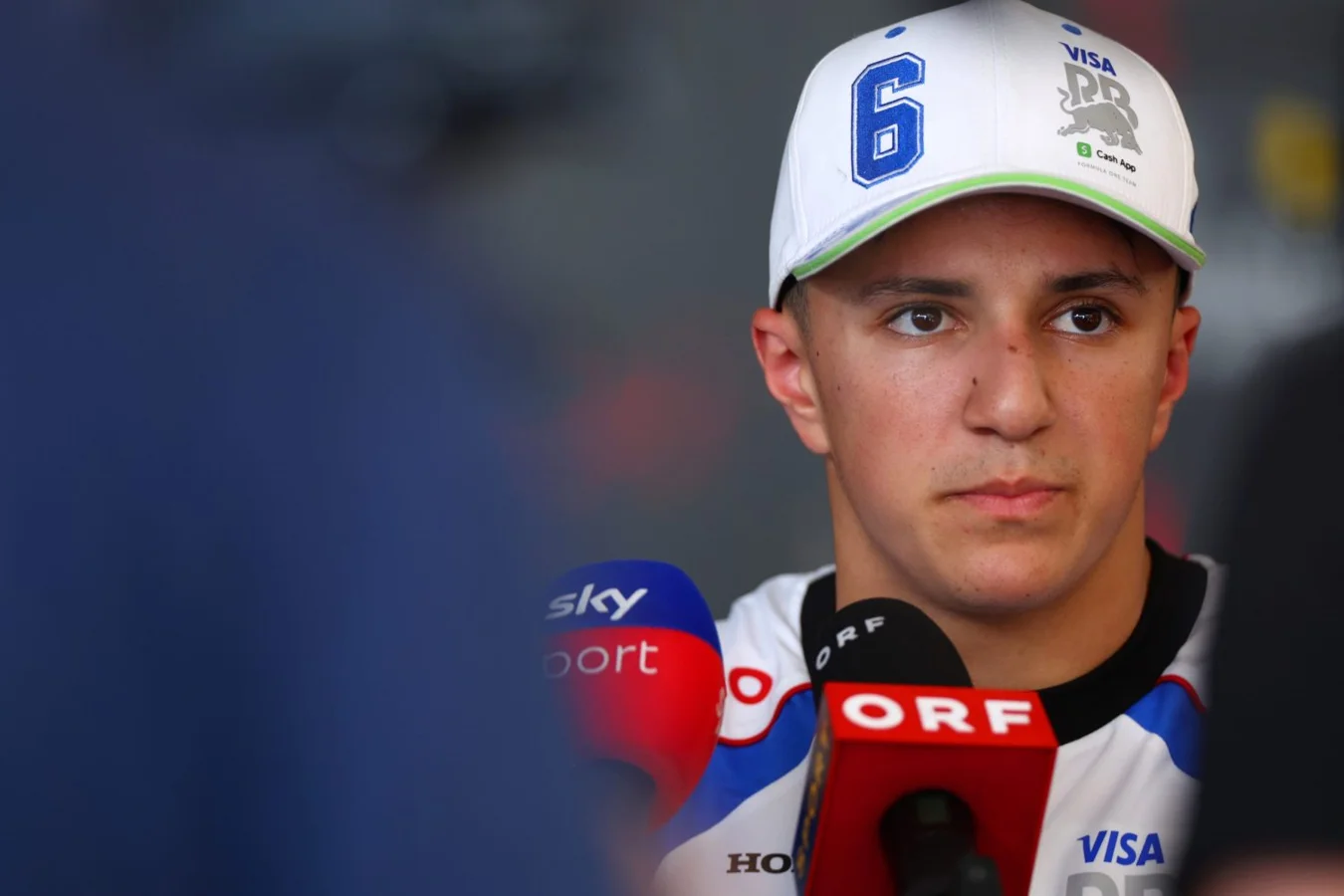
“I made a mistake from my side,”
—Gabriel Bortoleto, Sauber rookie
This tactical maneuver allowed Alonso to respond immediately, regaining speed with DRS assistance and preventing Bortoleto from holding the position, all with the race nearing its close. With passing opportunities limited in the final laps, the rookie was forced to adapt on the fly while learning from Alonso’s calculated approach.
Blue Flags and Timing Limit the Rookie’s Chances
As Bortoleto recounted, his next real opportunity to fight back was disrupted by race leader Lando Norris, who arrived to lap the pair, triggering blue flag obligations. Unable to mount another attack, Bortoleto saw his window to challenge Alonso close quickly due to race protocols.
“And then the next lap I had Lando with the blue flags and obviously I needed to let him pass so I could not even try to overtake Fernando again and that was quite complicated.”
—Gabriel Bortoleto, Sauber rookie
With time running out and the margin for error narrowing, Bortoleto recognized that a more patient approach earlier in the sequence might have yielded a better result. The Brazilian assessed that seizing the right moment was vital, as battles at the end of the race only allow for one or two genuine attempts before circumstances intervene.
Potential for a Higher Finish Thwarted by Alonso’s Defense
Bortoleto’s reflections highlighted his belief that an earlier pass on Alonso could have altered the final standings. Not only did he have the tyre advantage with a two-stop strategy, but if he managed to clear Alonso, he felt there was a realistic chance to chase down Racing Bull driver Liam Lawson in sixth place.
“More is always possible, there is no perfect scenario or situation,”
—Gabriel Bortoleto, Sauber rookie
Alonso’s robust defense and timing in the battle proved difficult for the newcomer to counter, despite his fresher tyres and aggressive approach. Bortoleto showed respect for his rival’s racecraft and acknowledged that his learning curve continues amidst high-pressure circumstances.
“But it’s always the ‘maybe, ‘maybe’ and ‘possibly’.”
—Gabriel Bortoleto, Sauber rookie
Looking Ahead: Lessons from Direct Competition with a Champion
The Austrian Grand Prix duel provided Bortoleto with valuable experience in wheel-to-wheel combat at the elite level. Engaging directly with Fernando Alonso, a recognized F1 champion, allowed the rookie to observe advanced strategies in real time, particularly in relation to regulatory details such as DRS manipulation and blue flag observance.
The GP encounter—featuring prominent figures like Lando Norris and Liam Lawson amidst the drama—reinforced that decisions over milliseconds and meters can define a driver’s results. Bortoleto’s remarks point towards an ongoing evolution in his racecraft, one that he hopes will produce even better outcomes in future contests on circuits like the British Grand Prix, and beyond.
