
George Russell’s first victory for Mercedes this season at the Canadian Grand Prix was overshadowed by a protest lodged by Red Bull, accusing him of unsportsmanlike conduct during the late-race Safety Car period. The complaint focused on Russell’s apparent sudden slowing in front of Max Verstappen following a collision between the McLaren drivers. However, race stewards dismissed the protest, clearing Russell of any wrongdoing and officially confirming his win.
This incident has sparked criticism from former Formula 1 driver Juan Pablo Montoya, who labelled Red Bull’s protest as immature and petty. Montoya highlighted the unnecessary distraction such protests create, comparing them to childish disputes he recalled between rival team principals during open radio communications with race officials in the past.
I think if George really stood on the brakes and stopped the car on purpose, and Max passed because of it, then they should look at it,
Montoya told CasinoHawks.
But it’s like a kindergarten thing. Why are you protesting something? That’s like the fights that you could hear before on the radio when the team owners’ radios were open with the FIA.
You could hear Toto and you could hear Horner going at it, like yapping to the teacher. It’s so much better now without listening to all that.
—Juan Pablo Montoya, Former F1 Driver
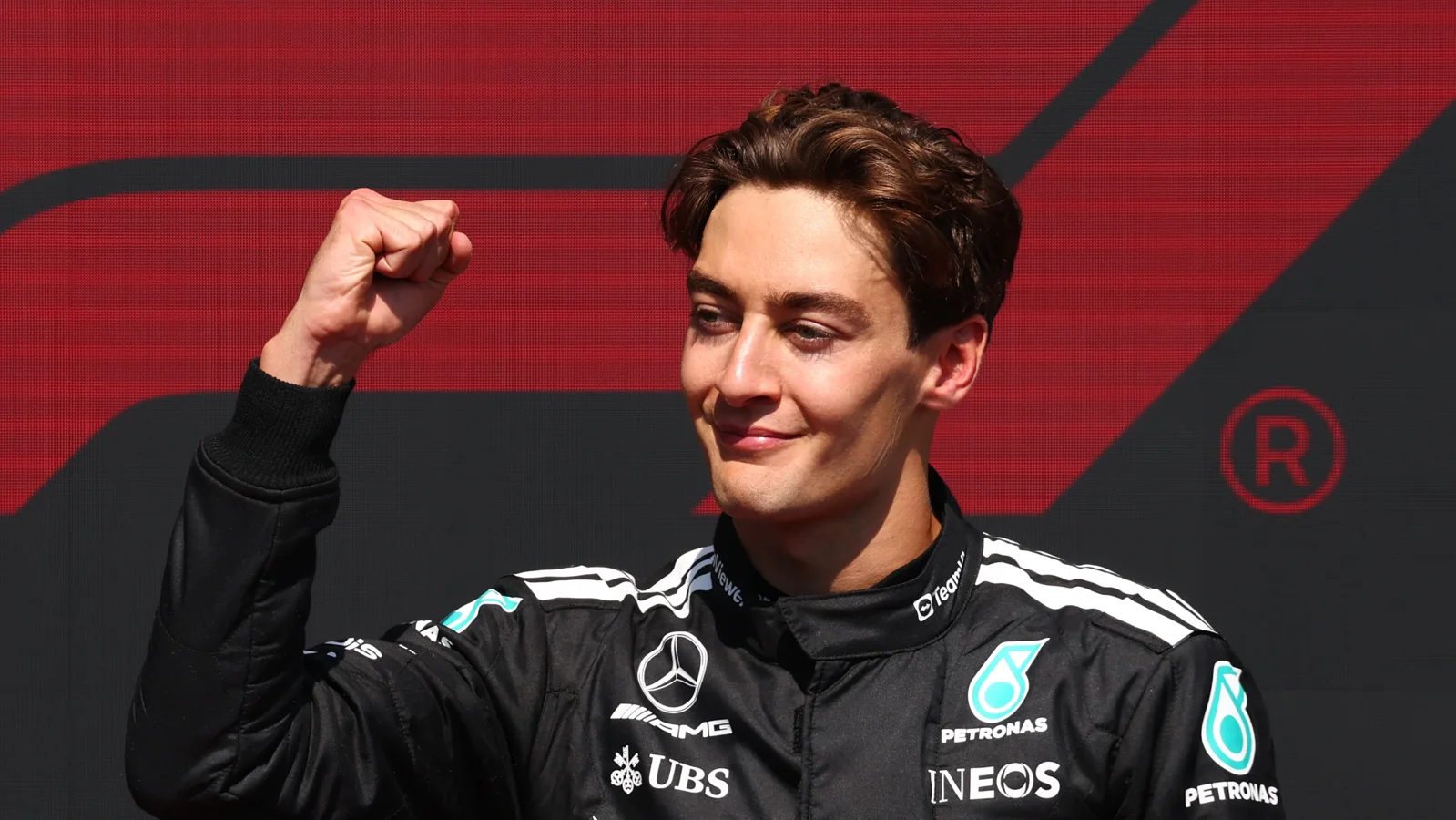
Mercedes team principal Toto Wolff echoed the critical tone, describing Red Bull’s protest as “petty” and “embarrassing,” emphasizing that such actions detract from the sport’s competitive spirit.
Pressure of Potential Race Ban Influences Verstappen’s Approach
Montoya also expressed concern that Max Verstappen’s performance in Canada was affected by the looming threat of a race ban. The Dutch driver was just one penalty point away from an automatic suspension, putting additional pressure on him to avoid infractions at the upcoming Austrian Grand Prix.
While acknowledging Verstappen’s skill and pace, Montoya believes the potential penalty weighed heavily on the driver’s mindset, leading to a more cautious race strategy than usual.
The prospect of a ban is affecting how Max drives,
Montoya said.
He explained that Verstappen, who had the speed to challenge Russell and was well positioned in the points, appeared emotionally restrained, avoiding aggressive moves that typically characterize his racing style. Montoya suggested that Red Bull’s team management likely advised Verstappen to prioritize finishing the race over taking risks that could lead to penalties.
He had a good start, but he never attacked, he never pushed. Normally, you see Max on the first lap being all out, and he wasn’t. He was very controlled emotionally in the way he managed the race.
—Juan Pablo Montoya, Former F1 Driver
Montoya’s observations underline the intense mental pressures drivers face when disciplinary consequences threaten their championship prospects, a dynamic that influenced the Canadian Grand Prix beyond the on-track battles.
Implications of the Protest Dismissal and Future Rivalries
The dismissal of Red Bull’s protest solidifies George Russell’s milestone victory as a significant moment for Mercedes’ ongoing campaign. It also highlights the heightened tensions between teams as the season progresses, with rivalries extending beyond racing incidents into procedural challenges.
Russell’s win marks a key breakthrough for Mercedes, potentially reshaping the competitive landscape and escalating competition with Red Bull. The episode also illustrates the increasing scrutiny of racing conduct under Safety Car conditions, reinforcing the stewards’ role in maintaining fair play.
As Verstappen prepares for the Austrian Grand Prix, his team’s cautious approach could continue until the threat of suspension has passed, possibly affecting the season’s closing stages. Meanwhile, the friction between teams and their strategies to influence race outcomes may bring further disputes, testing the boundaries of sportsmanship and regulation enforcement in Formula 1.
