
George Russell has expressed enthusiasm about the new 2026 Formula 1 regulations after testing the updated cars at the Circuit de Barcelona-Catalunya earlier this week. The private shakedown event, held between January 26 and 30, marked the initial official run for the 2026 cars, generating optimism about the sport’s future direction. This early outing gave Russell and other drivers a first look at how significant changes to power units and car design are shaping the next era.
The 2026 rules overhaul introduces a dramatic revision to engine formulae, mandating an equal split between electrical and combustion power. Alongside the powertrain changes, the cars have shed 30 kilograms from the minimum required weight and feature a notably shorter wheelbase compared to the ground effects era. Russell noted the immediate impact of these modifications on car performance during those initial laps.
Testing Unveils Competitive Reliability and Fresh Power Unit Performances
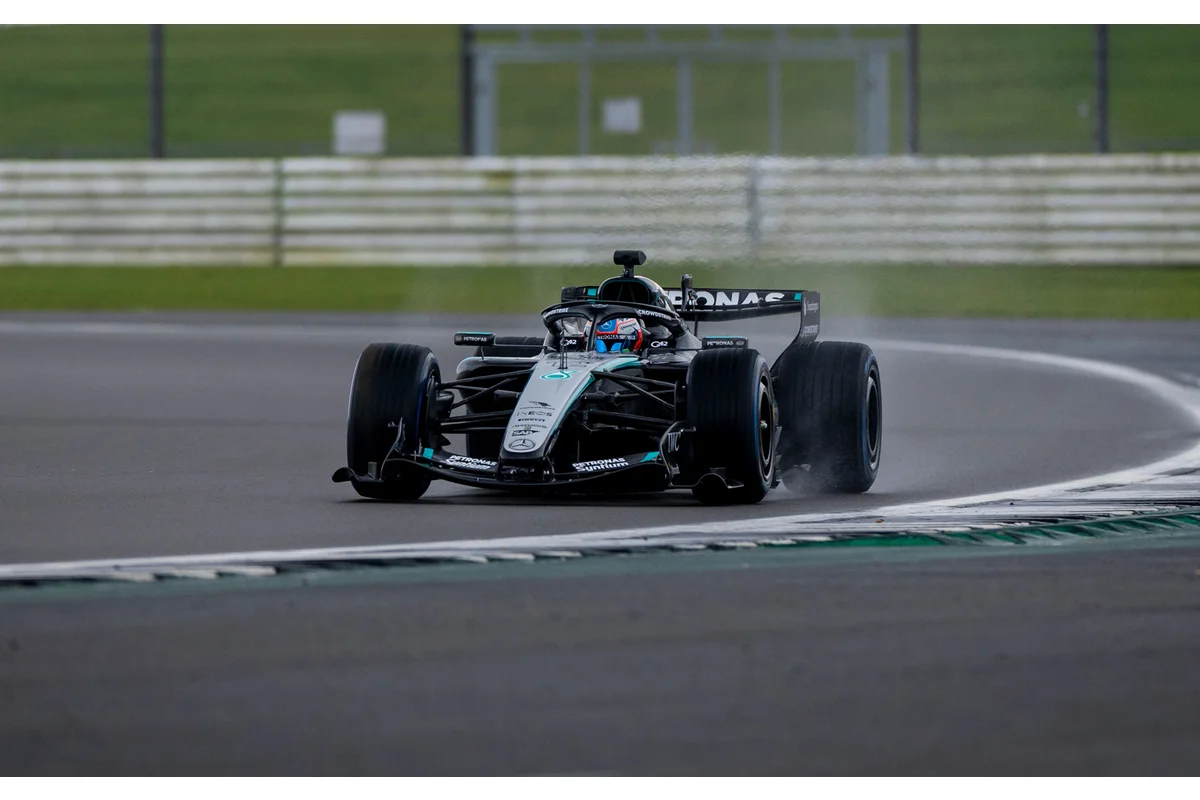
Mercedes, which had previously showcased its W17 model at Silverstone, took advantage of the Barcelona shakedown to measure its package against emerging rivals. Despite concerns leading into testing, the new power units and cars proved more reliable and driveable than expected, easing some apprehension across the paddock.
Russell completed 95 laps on opening day, gaining valuable data while observing his competitors closely. He was particularly impressed with how smoothly the new Red Bull power units performed and praised Audi’s debut as a works team and Haas’ extensive mileage with Ferrari engines. The sound reliability and operational efficiency contrasted starkly with the challenges faced during the extensive regulation change in 2014, reflecting how far Formula 1 has progressed.
Russell Applauds Solid Running of New Entrants and Established Teams
The Barcelona event marked the first official group run for the 11 competing teams under the new rules, presenting both opportunities and risks—especially for newcomers to the sport. Audi’s first works entry, Red Bull’s partnership with Ford for exclusive engine development, and Cadillac’s entry relying on Ferrari power units while developing its own program with General Motors underscore a shifting competitive landscape.
Russell highlighted the cohesive effort across teams adapting to the new regulations, noting the positive impression left by the newcomers navigating a challenging transition period. He described the pace as potentially the fastest witnessed in Barcelona, thanks to the lighter cars and innovative powertrains.
“It’s amazing just to be back out driving again,”
Russell said.
“I think at the end of the year everyone’s looking forward to a break, but then after a week or two you’re raring to go again.”
— George Russell, Formula 1 Driver
“There was obviously a lot of anticipation for these new power units, and so far, just generally on the whole, the amount of power they give is pretty impressive.”
— George Russell, Formula 1 Driver
“I think for all the cars I was watching today, with all the different power units, it’s probably the quickest I’ve ever seen an F1 car pass here in Barcelona, so that was pretty exciting to see,”
he added.
“And the cars, you feel it being smaller, you can feel that weight reduction compared to previous years, so I think from that aspect as well it’s gone in a good direction.”
— George Russell, Formula 1 Driver
“For sure, we’re very pleased with the day, but I was pretty impressed with a number of other teams, to be honest,”
he explained.
“You see the Red Bull-powered teams’ brand new power unit, they’re like a brand-new team from a power unit side, and they had a really smooth day with two cars. Audi had some good laps in there as well, and I think Haas did the most laps of everyone with a Ferrari engine. It’s not quite 2014 vibes of half the grid breaking down and having loads of issues – I think Formula 1’s evolved so much since then and the level’s just so high.”
— George Russell, Formula 1 Driver
“From every single aspect, it was pretty impressive to see all the teams on the whole having a lot of laps under their belt on day one.”
— George Russell, Formula 1 Driver
What the New Season and Regulations Mean for Formula 1
The promising start to testing suggests the 2026 regulations could usher in an exciting and competitive era, blending advanced hybrid powertrains, lighter car designs, and fresh manufacturer rivalries. With pre-season tests scheduled next in Bahrain, teams will continue to refine setups and reliability, setting the stage for a strong launch later in the year.
Russell’s positive outlook reflects the wider anticipation among teams and fans eager to witness how these technological and regulatory shifts will influence race dynamics, strategy, and championship battles. The arrival of manufacturers like Audi and Cadillac intensifies competition and underscores Formula 1’s evolving global reach. Continued progress in reliability during early tests points to fewer mechanical setbacks and more thrilling on-track action as the season approaches.
