
Romain Grosjean is set to make a full-time comeback to IndyCar racing this year after missing out on a single-seater seat last season. The 39-year-old former Formula 1 driver will reunite with the Dale Coyne Racing team, the squad he originally debuted with in the IndyCar series five years ago. Grosjean expressed his enthusiasm for this return, relating it to his deep affection for the championship.
Grosjean’s Connection with Dale Coyne Racing and Teammates
Grosjean conveyed a strong fondness for the team owner, describing Dale Coyne in heartfelt terms. He also looked forward to competing alongside young talent Dennis Hauger, acknowledging his speed and potential. With several years remaining in single-seater racing, Grosjean remains motivated to extract the most from these opportunities.
Comparing IndyCar and Formula 1 Driving Styles
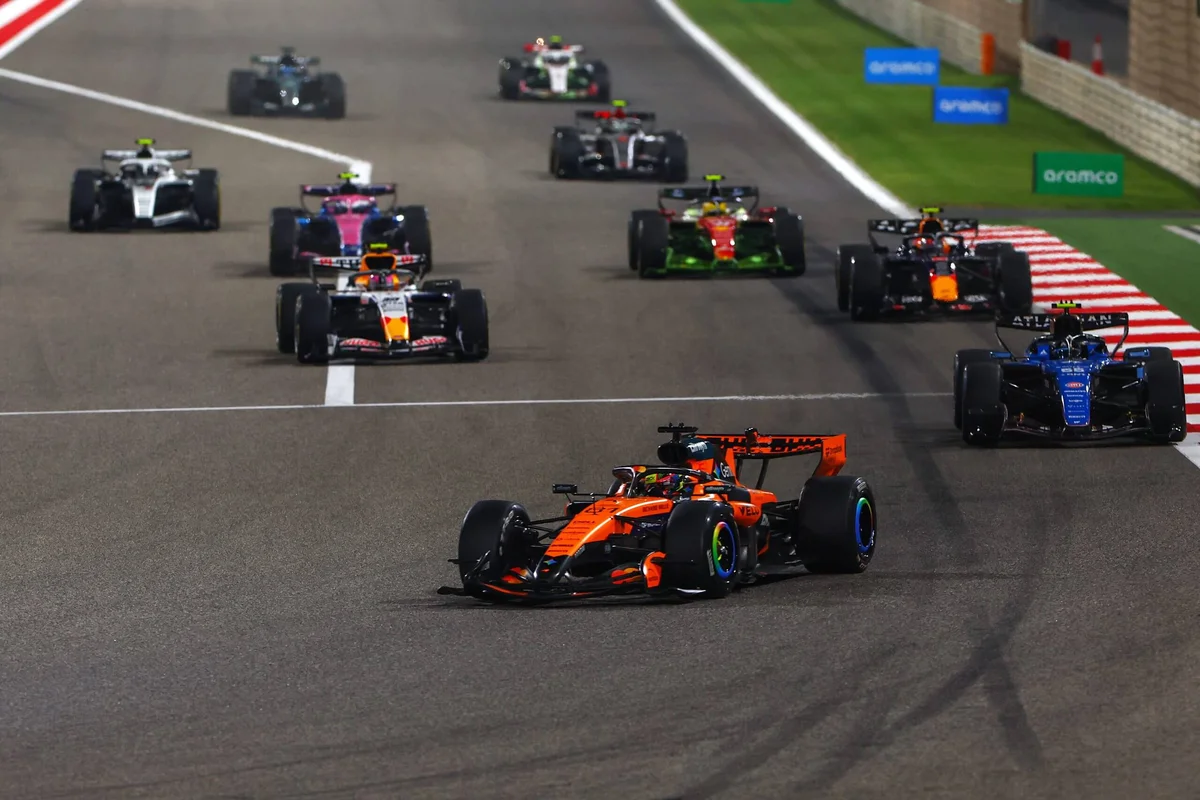
Having tested an F1 car last year for the first time since his serious crash in Bahrain 2020, Grosjean highlighted the distinctions between Formula 1 and IndyCar vehicles. He pointed out that Formula 1’s focus is on avoiding sliding and accelerating out of corners early, using the considerable horsepower available to gain time on the straights. Meanwhile, IndyCar driving emphasizes maintaining high entry speed into corners, balancing the minimum speed through turns, and accelerating at appropriate moments to exit cleanly. Grosjean noted this as a key difference in their driving approaches.
IndyCar’s Strengths on Street Circuits and Cornering Performance
One of Grosjean’s favorite aspects of IndyCar is its ability to handle low-speed corners on street circuits effectively. He cited the design of the suspension and the level of grip as reasons for this performance. Grosjean specifically mentioned that on a circuit like Monaco, an IndyCar would outperform a Formula 1 car in critical corners such as the hairpin, which requires sharp low-speed handling.
Perspectives on F1’s Upcoming 2026 Regulations
Looking ahead to Formula 1’s 2026 rule changes, Grosjean expressed both cautious optimism and concern. The introduction of a lower minimum car weight is expected to enhance cornering performance in slower turns. However, despite some worries about the new regulations on paper, he trusts that teams will adapt quickly and that these changes could shake up the competitive order in races. Grosjean remains uncertain, though hopeful, about the quality of the racing those changes will produce in the initial races.
The Broader Context of IndyCar and Formula 1 Relations
Grosjean’s views come amid wider developments bridging IndyCar and Formula 1, such as the FIA’s decision to award more superlicence points to IndyCar drivers starting in 2026. This reflects growing recognition of IndyCar as a viable path for drivers aiming to transition between the two series. Alongside former F1 driver Grosjean, others like Mick Schumacher are announced to be racing full-time in IndyCar soon, highlighting the increasingly close connection between the championships.
The insight Grosjean offers into the technical and competitive contrasts between IndyCar and Formula 1 draws attention to the unique challenges and thrills each series offers. His return to full-time IndyCar competition signals a renewed determination to capitalize on his skills in a series he clearly respects and enjoys.
