
Jack Miller, a prominent MotoGP rider, has successfully influenced the sport’s governing bodies to establish a minimum salary for riders by 2027. The new policy will require all premier-class teams to guarantee their riders a base pay of at least €500,000 annually, ensuring fairer compensation for the high risks involved in racing.
The decision follows concerns raised by Miller and others about the current pay disparities in MotoGP, where some riders earn significantly less despite the dangers they face. Discussions are reportedly in their final stages, with key negotiations involving MotoGP Sports Entertainment and team representatives recently held in Thailand.
The Push for a Fairer Compensation Structure in MotoGP
Jack Miller had previously voiced his frustration at the varying salary levels among MotoGP competitors. Speaking candidly, Miller highlighted that several top-level riders earn under €120,000, a stark contrast to the planned minimum. This disparity has raised questions about the fairness of financial rewards compared to the physical risks riders endure throughout the season.
With Liberty Media’s acquisition of MotoGP promising increased revenues, smaller teams are expected to better afford these wage improvements. Miller emphasized the ongoing toll the sport takes on athletes, noting how 12 of 22 full-time riders missed at least one race last year due to injuries sustained on track.
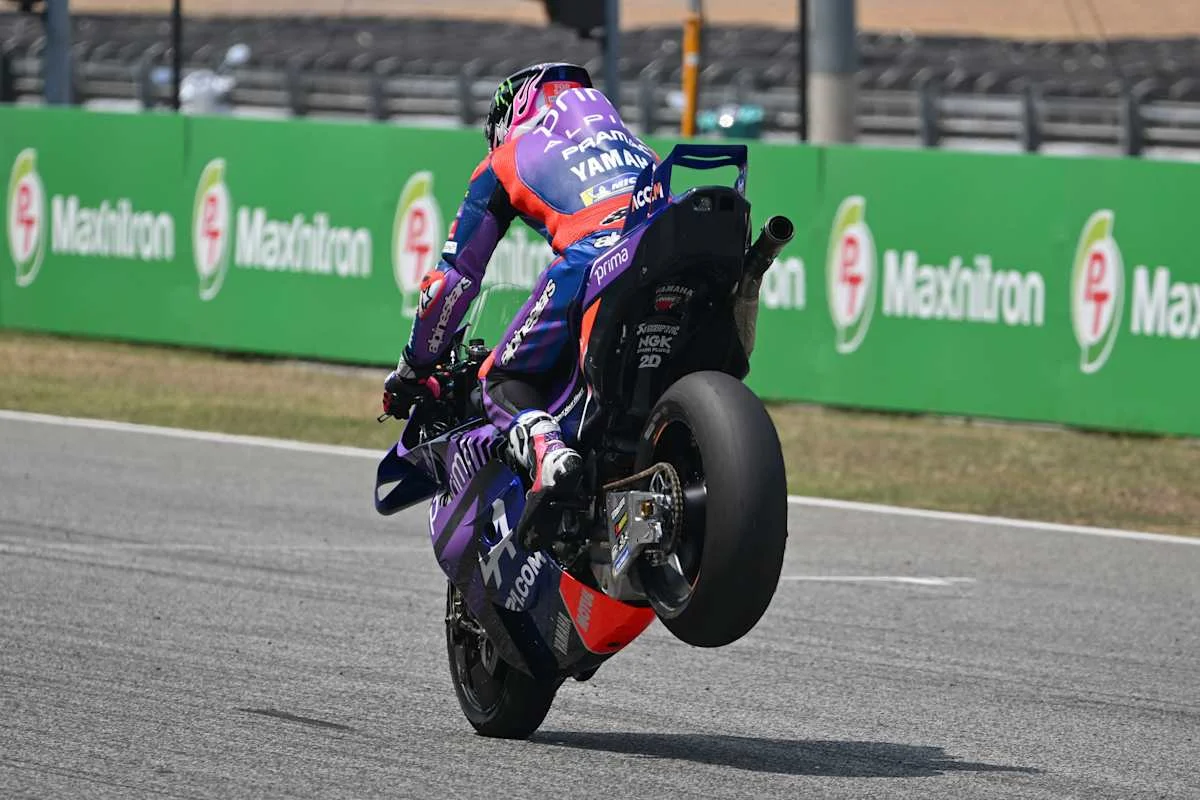
Jack Miller’s Views on the Minimum Salary and Rider Welfare
During the Gypsy Tales podcast, Miller expressed his thoughts on the need for guaranteed minimum earnings in the sport.
“There needs to be at least a minimum sign-on,”
Miller said.
He added,
“Some of these guys are signing for next to nothing. It’s not only a full-time job, it’s a life. I believe if you’re risking your longevity – your body’s never going to be the same… don’t get me wrong, it’s a fantastic job and I would do it for free.”
Miller further stressed,
“You’re putting on a show for everybody and you’re doing these great things. You should be paid accordingly.”
Jack Miller’s Current Role and Expected Impact of the New Wage Rules
Since debuting in MotoGP in 2015, Miller has raced with several factory teams, including Ducati and KTM, before signing with Pramac Yamaha. At 32 years old, he is likely advocating for younger riders who struggle to receive adequate pay given the sport’s dangers.
Miller reportedly earns around £2.2 million annually, a salary well above the proposed minimum, which suggests he would not be directly affected by these changes if he remains active in 2027. However, the minimum salary will have a significant impact on lower-paid riders, improving the overall economic security within the paddock.
The Motorcycle Sports Manufacturers Association recently reviewed the minimum salary proposal, confirming it is nearing final approval ahead of the 2027 season.
What This Means for the Future of MotoGP Rider Contracts
Implementing a €500,000 minimum salary marks a major shift in MotoGP’s approach to rider compensation, aiming to reduce financial inequality and recognize the physical risks of the sport. This change is expected to help smaller teams attract and retain talent, contributing to a more balanced and competitive grid.
As MotoGP continues to grow under Liberty Media’s ownership, increased revenues will likely support these wage standards, fostering better conditions for all riders. The move also signals a broader recognition of athlete welfare, which could influence contract negotiations and the sport’s financial structure in upcoming seasons.
