
A relentless winter storm has caused NASCAR to delay the Cook Out Clash for the third time, initially scheduling it for Saturday, then Monday, and now pushing it to Wednesday at Bowman Gray‘s quarter-mile track. This race, marking its second year at the venue, faces significant challenges due to the freezing conditions, compelling teams to confront unexpected complications involving their vehicles. Jimmie Johnson NASCAR warning about these hazards has come from one of his drivers amid the unfolding weather disruptions.
A Mechanical Hazard Emerges in Subfreezing Temperatures
Erik Jones, driving for Jimmie Johnson’s team, highlighted a critical concern regarding the behavior of NASCAR Cup cars in extreme cold. Unlike standard cars, these vehicles lack antifreeze in their water systems, making them vulnerable to freezing in temperatures below 20°F. After the cars sat idle overnight following tech inspections, Jones described how maintaining vehicle functionality in such cold conditions posed new mechanical challenges.
“There’s a lot of just mechanical challenges and keeping the cars warm. We’re gonna have to run the cars a lot. Honestly, keep them from freezing. From the water freezing,”
Erik Jones said.
Additionally, the short 0.25-mile oval track amplifies these problems, as the constant cornering demands make preserving heat in tires and brakes especially difficult. Jones reflected on his experience with such cold racing, admitting uncertainty about the obstacles ahead.
“I don’t honestly know that I’ve ever driven a race car in that cold of weather. There are a bit of unknown challenges if we do race in this weather.”
Legacy Motor Club Navigates Harsh Conditions with Strategic Changes
This season, Legacy Motor Club is adjusting its approach under new leadership, with crew chief Justin Alexander bringing insights from testing at North Wilkesboro. Jones is still recovering from a narrow miss last year during the inaugural Clash at Bowman Gray, when a late crash cost him a transfer position. The team combines Johnson’s winning expertise with Toyota’s power as they prepare for these unprecedented weather hurdles.
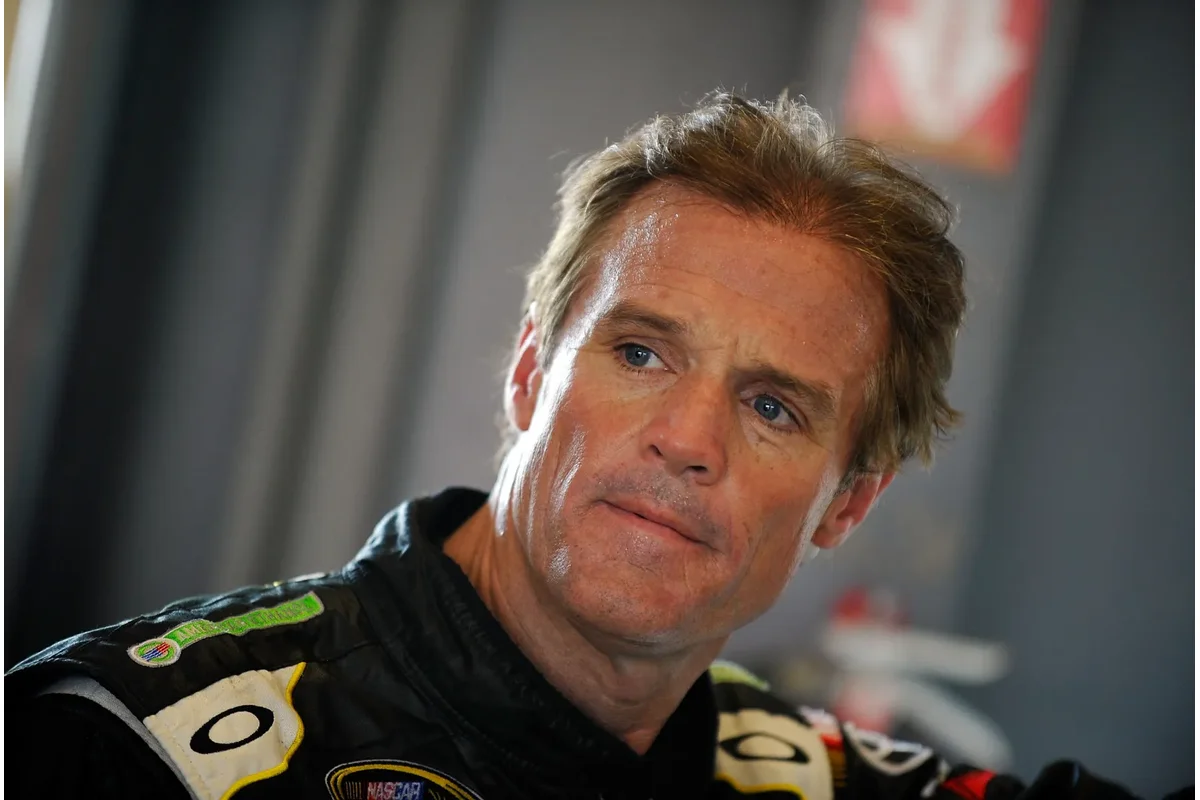
NASCAR’s Ben Kennedy emphasized the priority of safety amid the unpredictable weather impact.
“Nothing matters more than the safety of our fans, even when the weather doesn’t cooperate.”
Ben Kennedy, NASCAR official
Track Preparations and Equipment Challenges Ahead of Race Day
Crews began using salt brine on the track early, completing treatment by January 27, in hopes of improving surface safety. However, the biggest challenge will be managing race conditions where daytime temperatures remain near freezing. One pressing concern is the likelihood of brake fade in the Next Gen cars, as drivers must keep brake components sufficiently warm or risk losing performance.
Jones shared insight into the operational adjustments required in the freezing climate.
“I’m sure we’ve always done a good job of figuring it out and making it work… But it’ll definitely be a new game plan for a lot of people.”
Meanwhile, John Hunter Nemechek, driving the No. 42 Dollar Tree car, expressed apprehension about the difficulty of warming tires in such cold weather.
“It’s going to be super cold this weekend, so it’ll be hard to get the temperature in tires,”
Nemechek said.
His crew chief, Travis Mack, remains hopeful that recent testing at North Wilkesboro will provide an advantage during the Clash.
“We had a really good test in North Wilkesboro with the No. 43 car, so I think that’s going to help us at The Clash.”
Debate Rises Over Hosting the Race at Bowman Gray in Winter
These challenging conditions have fueled discussion about whether Bowman Gray is an appropriate venue for a winter race. Jones, reflecting on this issue, suggested that returning the Clash to Daytona could avoid many of the problems caused by cold weather.
“To be honest, I know everybody kind of ragged on the Clash (at Daytona) and what it came and the wrecks, but I don’t understand what’s a whole lot different going to Bowman Gray,”
Jones said during a SiriusXM NASCAR Radio interview.
“There’s a lot of beating and banging and wrecking there. I don’t think that’s a real argument for it. But I would like it to be in Daytona,”
he added.
Jones, a 2020 Clash winner, recalls when the exhibition race was a Florida staple for over 40 years before moving to the Los Angeles Coliseum and now to the cold environment of Bowman Gray. The freezing conditions cause the track to become slick and make warming tires difficult, while cold air thickens fluids and slows engine response, turning brakes rapidly from cold to overheated during races.
Preparations Underway Despite Hectic Conditions
NASCAR crews have worked against the clock to get the track ready, installing electronic systems, repainting walls, and updating infield branding ahead of the storm. Transport haulers have also monitored icy roads closely to ensure safe deliveries. Despite these efforts, Jones acknowledged numerous unknowns for race day performance.
“So, there’s a lot of unknowns, honestly, going into it. It’s going to be hard to get the cars going, get the tires up to temp on a track like Bowman Gray, be sliding around like crazy… So, yeah, a lot of questions, but we’ll see what happens.”
Winter Conditions Will Test Drivers’ Endurance and Skill
As the NASCAR Cup Series prepares to compete on this fraught quarter-mile track, the extreme cold adds an unpredictable layer to the contest. Drivers and crew chiefs must manage mechanical fragility, tire and brake temperature challenges, and slick surfaces. The race will test the limits of teams adapting to these harsh weather conditions, with survival potentially becoming as crucial as victory itself when the green flag drops on Wednesday.

