
At Phoenix Raceway in Arizona on March 8, 2026, Joey Logano claimed the pole position with the fastest lap time ever recorded in a Next Gen car at the track, significantly impacting the NASCAR Phoenix qualifying results. The competitive session featured top NASCAR Cup Series drivers vying for prime starting spots ahead of tomorrow’s race at the one-mile oval.
During qualifying, Logano clocked a remarkable 26.561 seconds, edging out Kyle Larson and Austin Cindric, who followed closely behind. This performance establishes a new speed benchmark for the current generation of cars at Phoenix Raceway, setting an intense tone for the upcoming race.
Incidents and Challenges During Practice Sessions
The practice rounds leading into qualifying were marked by several setbacks for notable drivers. Chris Buescher and Riley Herbst both endured flat tires in the first practice group, limiting their time on track. In the second group, Brad Keselowski suffered a critical right-front tire blowout which caused him to crash against the outside wall, sidelining him for qualifying. Tyler Reddick experienced a spin but managed to avoid any collision, sustaining no major damage. These disruptions affected the preparedness of some drivers ahead of qualifying.
Detailed Starting Lineup Highlights Competitive Field
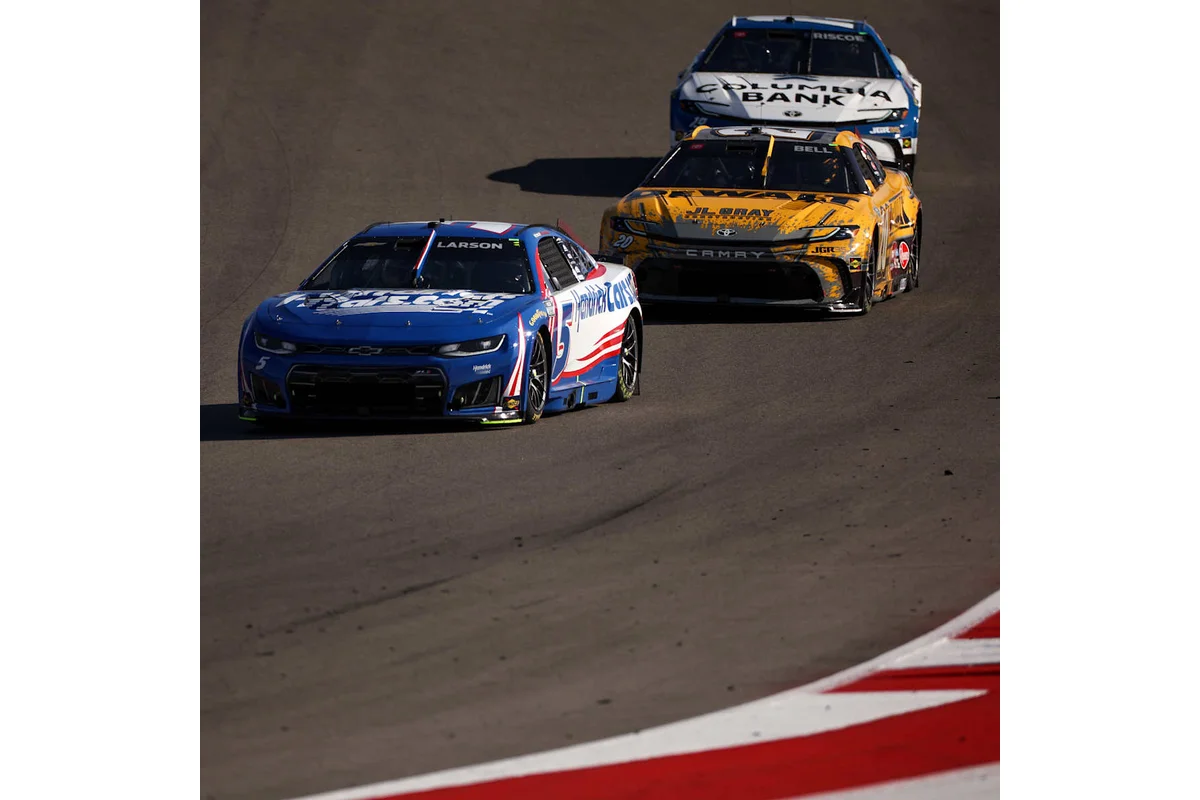
The starting lineup for the NASCAR Cup Series race at Phoenix Raceway highlights a tightly packed field based on lap times recorded in qualifying. After Logano, Kyle Larson secured the second spot with a time of 26.678 seconds, followed by Austin Cindric at 26.731 seconds. Veteran drivers such as Daniel Suarez, Ryan Blaney, and Ross Chastain also qualified within the top six, underlining a strong competitive presence.
Other notable qualifiers include Carson Hocevar in seventh, Tyler Reddick in eighth, and William Byron rounding out the top ten. Josh Berry and Denny Hamlin placed eleventh and twelfth respectively, maintaining solid positions for the race start. Brad Keselowski, having not posted a qualifying time due to his crash in practice, will start at the back of the field.
Practice Speed Rankings and Their Implications
Separate from qualifying, practice times offer insights into driver performance and car setups. Daniel Suarez led one practice session with a time of 26.877 seconds, closely followed by Carson Hocevar and Chase Briscoe. While some drivers showed consistency between practice and qualifying, others such as Logano, who ranked nineteenth in practice, drastically improved their pace for qualifying. These fluctuations suggest strategic adjustments and evolving track conditions heading into the race.
Anticipated Impact and Race Outlook
Joey Logano’s record-setting lap holds potential psychological and strategic advantages, establishing him as the driver to watch at Phoenix Raceway. The setup and performance of the Next Gen car underscore advancements influencing race dynamics. With strong qualifying performances spread across veterans and emerging talent alike, the race promises to be fiercely contested.
The incidents in practice also highlight the unpredictable nature of race weekend preparations, as teams adjust to setbacks like Keselowski’s crash. Overall, the NASCAR Phoenix qualifying results set the stage for a challenging and intense event tomorrow, where strategy, skill, and vehicle endurance will be crucial to success.
