
The Clash, traditionally held at Daytona International Speedway since 1979, has undergone significant changes in recent years. While the event took place on Daytona’s road course configuration in 2021, NASCAR opted for a new approach starting in 2022 by moving the race west to a quarter-mile track inside the Los Angeles Memorial Coliseum. After three seasons there, the race relocated to Bowman Gray Stadium in 2025, reflecting a renewed emphasis on short-track racing for this unofficial season opener. Josh Berry, a former short-track racer turned NASCAR driver, now encourages NASCAR to continue prioritizing short tracks as venues for the Clash instead of opting for road courses or superspeedways.
The transition to the Los Angeles Memorial Coliseum marked the first time the Clash was held away from Daytona. This temporary circuit, constructed inside the stadium, attracted a substantial crowd of newcomers to NASCAR, signaling success for the experiment. The move to Bowman Gray Stadium followed, bringing the event back to a long-standing hub of grassroots short-track competition. This change contrasts with the brief, experimental nature of the Coliseum races and emphasizes NASCAR’s investment in venues with rich local racing traditions.
Josh Berry’s View on Supporting Short Track Venues
Josh Berry applauds NASCAR’s recent investments in short-track facilities and the return to venues like Bowman Gray and North Wilkesboro, which have historical ties to grassroots racing. Berry believes NASCAR’s strategy to promote the Clash at these venues is a strong foundation for expanding the event’s appeal.
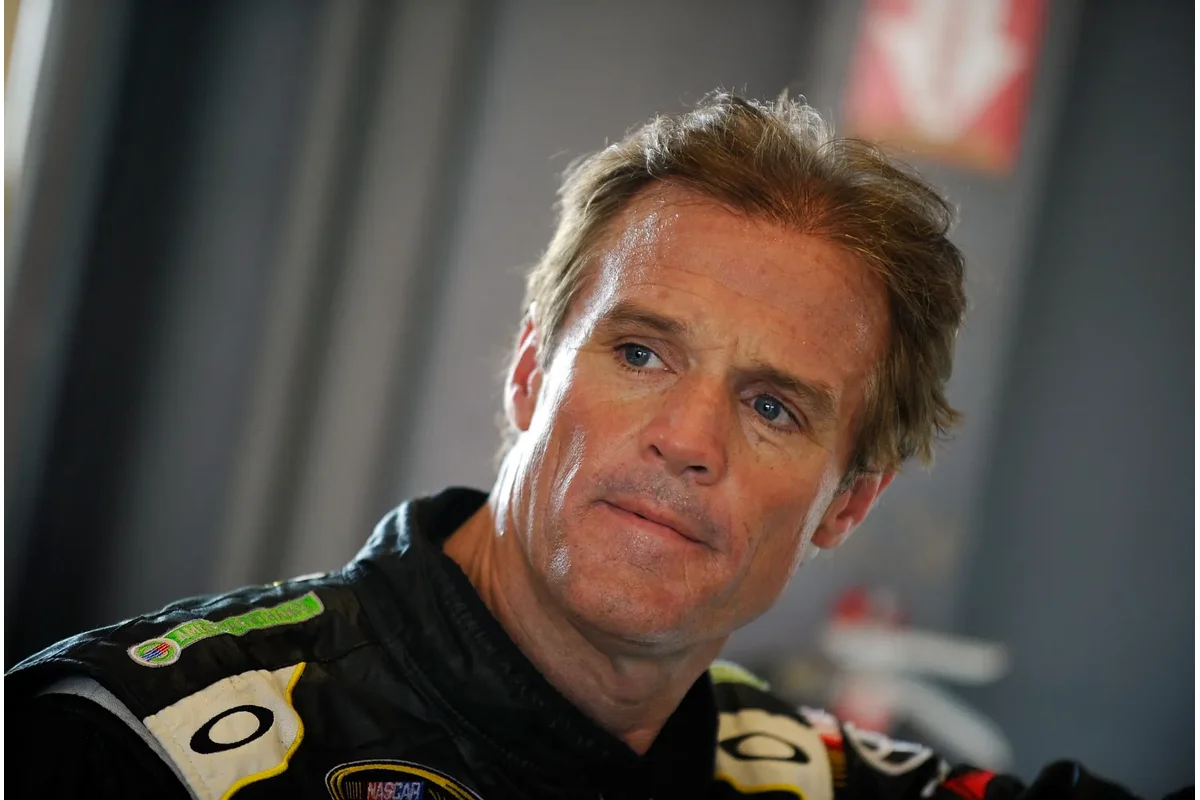
I think they’re off to a great start, obviously, with the investment they made into Bowman Grey and then SMI with North Wilkesboro as well. That’s a great starting point, right? And I think that there’s definitely room with this exhibition clash that we could go around to some different places, and make an investment in there and improve their facilities and bring a really big event there,
Berry observed of the change.
Berry also envisions a future where the Clash could evolve into a traveling event that visits various short tracks, creating new opportunities for fans and tracks alike.
I think that’s the biggest thing that they can continue to do is just support these tracks. It’d be really cool to kind of see this race evolve into traveling to a few different short tracks every couple of years,
he added.
Having progressed through Late Model racing on short tracks before reaching NASCAR’s top division, Berry’s endorsement of short tracks highlights the value of these venues in developing both drivers and fan engagement, especially for a preseason exhibition like the Clash.
Weather Challenges Affect Scheduling for the Clash at Bowman Gray
As the Clash approaches this season, severe winter weather is impacting plans around Bowman Gray Stadium. Officials have adjusted the event’s schedule due to forecasts predicting heavy snow and ice in the region. Originally planned as a two-day event with activities beginning Saturday and the race Sunday evening, the weekend’s icy conditions have forced NASCAR to postpone Saturday’s on-track sessions and condense the weekend into a single-day event on Sunday.
Winter storm watches remain in effect through Sunday afternoon, with snowfall estimates reaching up to twelve inches and roads still clearing from a recent ice storm. NASCAR intends to begin practice at 2 p.m. Sunday and hopes to run the main event by 6 p.m., depending on weather conditions.
The sanctioning body expresses confidence that the Goodyear tires designed for this race will perform adequately despite cold temperatures. However, the decision to race ultimately depends on the accumulation of snow on race day. If conditions prohibit running the Clash on Sunday, NASCAR plans to reschedule for the next clear day available.
Significance of Embracing Short Tracks for NASCAR’s Future
NASCAR’s ongoing experiment with the Clash’s location reflects broader goals to reconnect with grassroots racing and grow fan interest. By prioritizing short tracks like Bowman Gray and investing in historically significant venues such as North Wilkesboro, NASCAR appears to be strengthening its connection to the sport’s roots while opening avenues for expansion. Josh Berry’s perspective illustrates how this focus benefits drivers familiar with these tracks and proposes a sustainable future where short tracks could regularly host major events.
The ability to adapt the Clash schedule amid challenging weather conditions further demonstrates NASCAR’s commitment to delivering competitive racing experiences while prioritizing safety. The coming seasons will reveal whether the Clash can successfully evolve into a rotating short-track showcase that excites existing fans and attracts new audiences alike.
