
Kevin Harvick pointed to rookie Connor Zilisch’s Daytona learning curve as a major factor in the costly wreck that shook the Daytona 500. On his Happy Hour podcast, Harvick dissected the multi-car accident during Stage 2 involving Justin Allgaier, which eliminated several contenders and dramatically shifted the race’s final phase. The former Cup Series champion identified a late defensive move against Denny Hamlin as the pivotal moment when control was lost.
How Late Moves Sparked a Multi-Car Pileup
Harvick explained that precision is crucial on superspeedways like Daytona, where hesitation or last-second corrections often result in trouble. Regarding Allgaier’s role in the crash, Harvick said,
“It massively changed everything that was happening right here,”
followed by,
“Justin was kind of just in no-man’s-land and then tried to fix it with a late block. … He left the door open too much and then tried to close it when Denny Hamlin was already there.”
The contact from this defensive error caused a chain reaction, taking out multiple drivers who had been preparing for a late-race charge.
Such mistakes become especially dangerous in pack racing, where cars travel closely together at high speeds, leaving minimal margin for error and little time to react. Harvick highlighted the cost of these split-second decisions, saying,
“It took a lot of contenders out of the race at this particular moment and changed the complexion of the whole event.”
Zilisch’s Challenges Learning Cup-Level Drafting
Turning the conversation toward rookie Connor Zilisch, Harvick grouped him with Allgaier in terms of struggling with the nuances of superspeedway racing. He noted that success in lower racing tiers doesn’t automatically translate to smooth handling at the Cup Series level, especially at Daytona, where drafting requires a precise rhythm. Harvick commented,
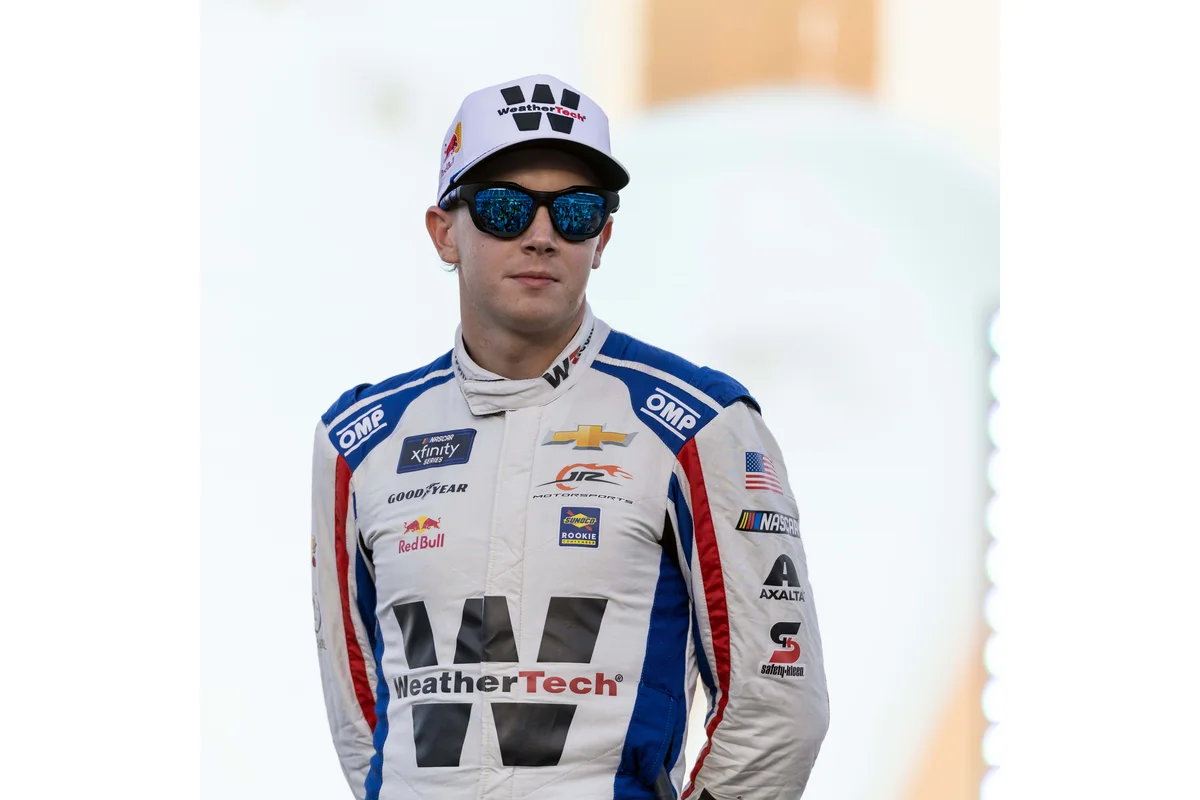
“The cadence of how the draft works? … It’s just different than the O’Reilly Series,”
adding,
“When you don’t do it every week, it’s hard to understand exactly how everybody does it.”
Harvick described Zilisch’s involvement in the crash as stemming from inexperience rather than recklessness, yet recognized how such mistakes can have wide repercussions.
“It was just sloppy, right? That sloppiness comes from inexperience in those scenarios,”
he said, also explaining,
“The first thing that does is it starts making the cars behind you move around and check up. Those are the types of things that cause accidents.”
Accountability and Lessons for Rising Drivers
Both Allgaier and Zilisch accepted responsibility for their roles in the accident. Harvick stressed that these incidents are part of the necessary learning curve for drivers competing at NASCAR’s highest echelon.
“Both of them will obviously learn from those scenarios and get better as they move forward,”
he remarked. At a track like Daytona, even a small miscalculation can instantaneously end the race hopes for many competitors.
The incident serves as a reminder of the high stakes and razor-thin margins that define superspeedway racing, where mastering drafting technique and timing is critical for survival and success. The experience gained from this event will be crucial for rookies like Zilisch as they continue developing their craft in the Cup Series.
