
The ongoing Kimi Antonelli FIA punishment debate has ignited a storm within the Formula 1 sphere following a heated incident involving Red Bull and rising talent Kimi Antonelli after the Qatar Grand Prix. As the season’s start draws near, calls are growing louder for the FIA to revisit its approach to policing both on- and off-track conduct, especially as the fallout from Antonelli’s experience has intensified scrutiny of their disciplinary framework.
Incident at the Qatar Grand Prix Fuels Frustration
Tensions escalated during the closing moments of the Qatar Grand Prix, when Kimi Antonelli, under immense pressure, lost control of his car due to a sudden snap of oversteer, inadvertently surrendering fourth place to Lando Norris. This dramatic turn of events played a key role in the championship race, benefitting Norris and affecting Max Verstappen’s closest rival for the title. The Red Bull camp responded with fierce accusations—Gianpiero Lambiase implied that Antonelli deliberately allowed Norris to pass, a suggestion quickly disproven by race footage showing Antonelli’s struggle to maintain control.
Despite evidence clearing Antonelli, Red Bull’s former advisor Helmut Marko maintained suspicion, declaring,
“It was twice where he more or less waved Lando by. It was so obvious. Antonelli now helps our main competitor; in Austria, he was crashing [Verstappen] in the rear.”
– Helmut Marko, Former Advisor, Red Bull. These statements inflamed the situation, triggering a wave of malicious online abuse against the 19-year-old driver. In a sign of protest and distress, Antonelli blacked out his profile photo, highlighting the personal toll of the controversy.
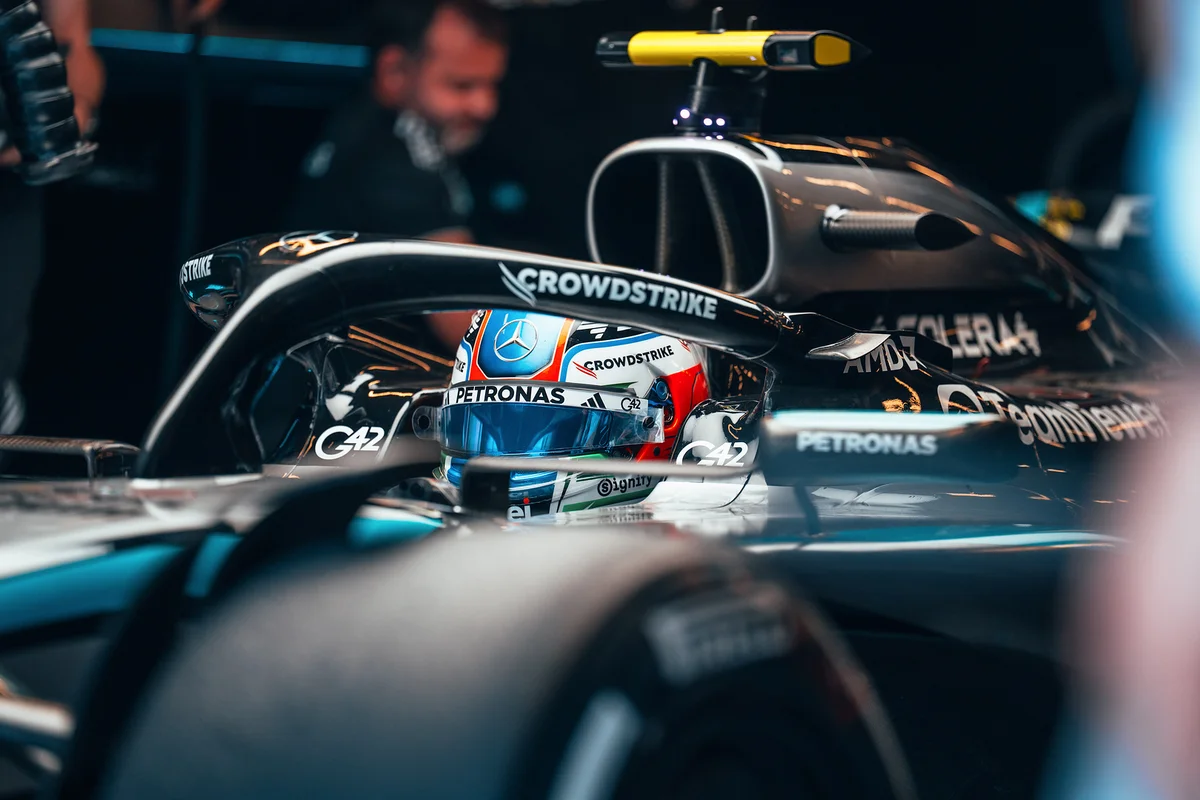
Responses and Demands for Stricter Accountability
Amid mounting public backlash, Red Bull rushed to contain the damage, with Lambiase personally reaching out to Toto Wolff at Mercedes and Kimi Antonelli himself to extend apologies. Still, many within the F1 world believe these measures fall short. Young driver Franco Colapinto forcefully argued that the FIA’s standards must be applied evenly, stating,
“I was just thinking about the fines we receive for using profanity on television or in the media, compared to people who speak quickly without thinking, without having all the information or the overall situation, and who make statements that consequently generate hatred. It’s much worse than when we use profanity or anything else.”
– Franco Colapinto, F1 Driver. Colapinto’s comments captured a growing sentiment that governing body sanctions should not be limited to drivers’ language but must include teams and staff who fuel online hostility with unchecked statements.
Enforcement Discrepancies and Recent FIA Policy Changes
Historically, the FIA has rigorously disciplined drivers who use inappropriate language, issuing severe penalties for such behavior. Notable examples include Max Verstappen’s community service punishment for a public slip and Charles Leclerc receiving a fine for making an indiscreet remark. Similar incidents have occurred in the World Rally Championship, with drivers like Adrien Fourmaux penalized for verbal missteps. These actions underscore the FIA’s unwavering approach to language infractions by competitors.
However, in a surprising policy reversal, the FIA has recently opted to halve fines for profanity, sparking fresh debate over how the body should respond to comments that incite hostility or direct abuse—especially when made by senior team members rather than drivers. The timing is critical, as the FIA ramps up efforts with its United Against Online Abuse campaign, prompting broader conversations about the effectiveness and consistency of their disciplinary measures.
Future Implications and Ongoing Uncertainty
As anticipation builds for the upcoming F1 season, the controversy has left fans, teams, and stakeholders anxiously awaiting the FIA’s next move. The outcry over the Kimi Antonelli FIA punishment debate has highlighted a glaring inconsistency in how drivers and teams are sanctioned for their words and actions. The governing body now faces intense pressure to create a level playing field that assures fairness and accountability across all levels of competition. With the reputation of Formula 1 and the well-being of individuals like Kimi Antonelli at stake, the demand for decisive action grows ever more urgent, ensuring that off-track conduct is held to as high a standard as performance on the circuit.
