
Kyle Busch has openly criticized NASCAR’s decision to reinstate the Chase format for the 2026 season, arguing that it disproportionately benefits the sport’s biggest teams. The two-time Cup Series champion shared his concerns about how the championship structure favors powerhouse organizations, making it difficult for smaller teams to compete for titles.
During an interview on SiriusXM NASCAR Radio, Busch questioned the rationale behind NASCAR’s return to a system that had previously been phased out.
“I thought we got away from it for a reason in the past, so I’m not real sure why we went back to it,”
the 40-year-old driver remarked.
Impact of Chase Format on Championship Outcomes
Busch pointed to the period of dominance by Jimmie Johnson as one factor that originally spurred NASCAR to abandon the Chase system. His main issue, however, lies with how one poor race performance can eliminate a contender’s championship hopes. He explained the challenges drivers face when a single incident causes them to lose critical points.
“There were times where guys like myself who would have one bad race or two that would then knock them out of the championship. You get caught up in a wreck and boom. You can’t make up enough points to get back to the championship, but you’re going to finish third in points.”
This emphasis on a short series of races to determine the champion, Busch contends, makes it harder for consistently strong drivers to overcome misfortune on the track.
Advantages for Leading Teams under the Revised Chase Structure
The updated Chase format for 2026 places greater importance on race victories, which is intended to help drivers recover from setbacks more easily. Nonetheless, Busch argues this change primarily benefits established teams such as Hendrick Motorsports, Joe Gibbs Racing, and Team Penske, which are able to secure wins week after week.
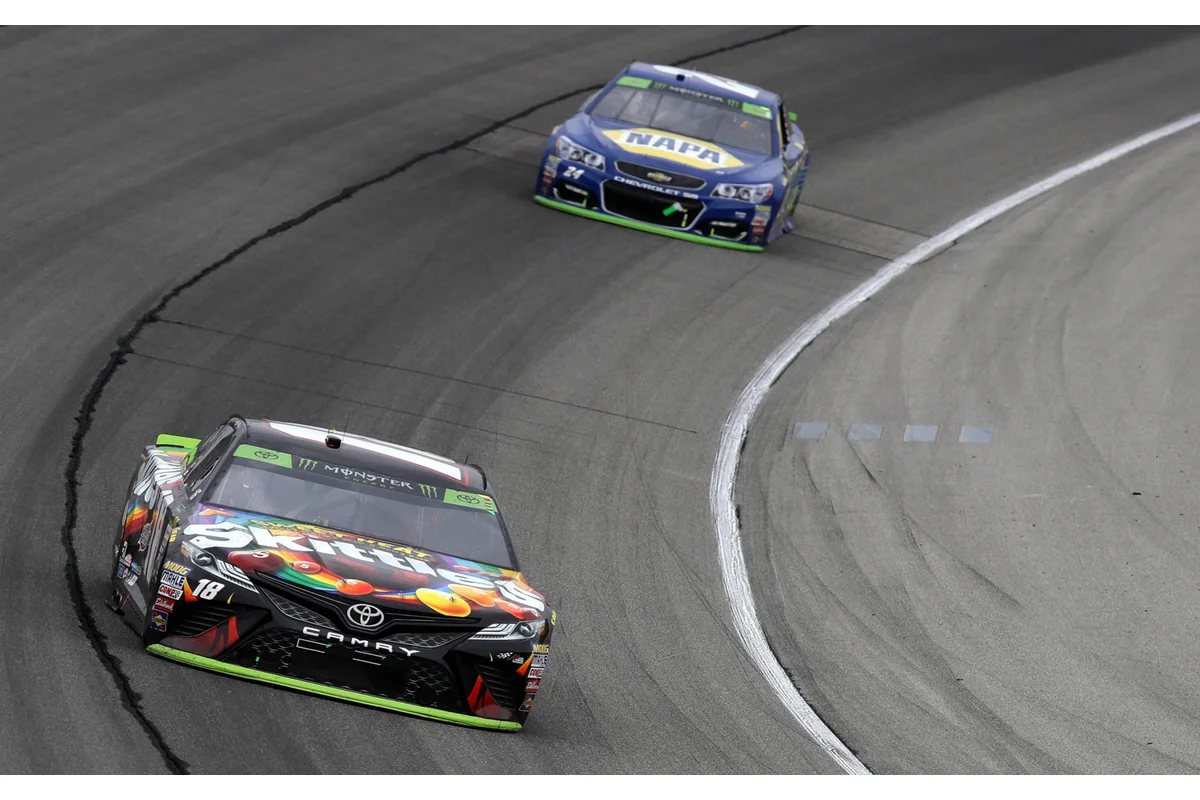
For smaller or less well-funded teams, the system leaves little margin for error, effectively perpetuating existing disparities. Busch highlighted the strategic shifts teams must make under the new rules, including the critical nature of accumulating stage points and the influence qualifying positions have in avoiding on-track trouble.
This focus on winning and consistent top finishes reinforces resource gaps, giving powerhouse teams a further advantage in the championship hunt.
Concerns about Modern Racing and Consistency
Busch pointed to the increasingly aggressive style of racing as another factor that complicates the Chase format’s fairness. Frequent incidents and chaotic restarts mean championship contenders face greater risks of damage in any single race, which could jeopardize their entire season.
“With the racing the way that it is today and everybody running over everybody all the time, you might see all 16 of us have a bad race. So if all of us have a bad race, that could just sort of be construed as your throwaway and you got to be good in the other nine.”
This unpredictable nature of races could make it harder for drivers to maintain steady championship performances throughout the 10-race Chase event.
Implications for the 2026 Season and Beyond
Busch’s remarks come shortly after a difficult 2025 season, during which he did not register a race win and finished 21st in the final standings. Notably, had the Chase format been in place last year, he would have ended the season 19th, with Kyle Larson taking the championship.
As NASCAR prepares for the 2026 season opener at Daytona on February 15, Busch’s critiques raise important questions about competitive balance in the sport. While the Chase format aims to boost excitement, veteran drivers warn it risks further entrenching advantages for teams with superior resources.
The divide over championship formats continues to divide the NASCAR community, with debates ongoing about whether the Chase truly identifies the best driver or simply rewards those backed by the best equipment and organizational support.
