
Lance Stroll has issued a stark warning about the Aston Martin AMR26’s severe vibration problems, comparing the experience of driving the car to being “electrocuted.” These troubling revelations come just before the Australian Grand Prix, where Aston Martin faces critical challenges due to persistent issues with their Honda power unit. Team principal Adrian Newey has raised concerns that Stroll and teammate Fernando Alonso may suffer permanent nerve damage if the problem continues unchecked.
Ongoing Difficulties with AMR26’s Performance and Reliability
The AMR26 has struggled throughout the pre-season with an underperforming and unreliable Honda engine. The issue reached a critical point during testing in Bahrain when intense vibrations forced Alonso to withdraw early from the track on the penultimate day. The final day of testing was curtailed to limited, short sessions, casting doubt on the team’s preparedness for the upcoming races. Amid speculation that Aston Martin might minimize their race distance or even withdraw shortly after the formation lap in Australia, insiders suggest the situation might improve depending on Honda’s fixes evaluated during Friday practice.
Drivers’ Experiences Highlight the Physical Toll Imposed by the Vibrations
Newey revealed the harsh realities faced by Aston Martin’s drivers in coping with the AMR26’s problems. Alonso can only complete about 25 laps before physical discomfort becomes overwhelming, while Stroll finds 15 laps the upper limit. Considering the Australian Grand Prix features 58 laps, this presents a formidable challenge. Alonso specifically noted numbness in his hands and feet within 20 to 25 minutes on track, underscoring the severity of the issue.
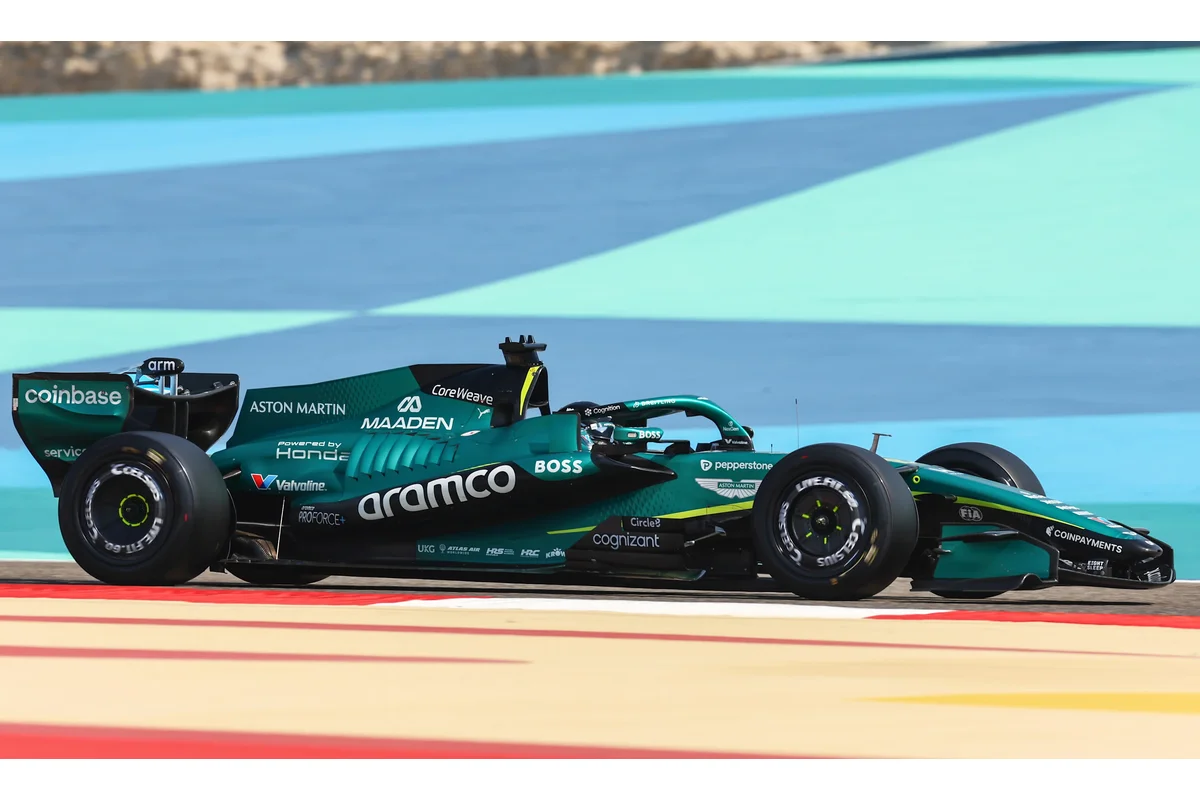
Stroll expressed his discomfort in blunt terms. He described the sensation as
“electrocute yourself in a chair or something like that,”
drawing attention to the punishing impact of the vibrations on driver wellbeing. He also added,
“It’s bad for the engine, but it’s also bad for the human inside the car,”
emphasizing the urgency of resolving these issues to protect both machine and driver safety.
Potential Solutions and Team Efforts to Address Vibration Issues
Despite the grim circumstances, Stroll conveyed a measured hope that upcoming changes might mitigate the problems.
“We have some ideas this week to solve some of those issues,”
he said, recognizing the team’s drive to devise workable solutions. However, he warned that if the vibration faults persist as they did in Bahrain, completing more than 10 to 15 laps in race conditions would remain unlikely.
Stroll’s determination to improve Aston Martin’s competitiveness is clear.
“We want to be more competitive,”
he affirmed, confident that upgrades on the chassis side will help.
“I have no doubts on the chassis side. We can bring upgrades and get more competitive every week,”
he remarked, indicating an ongoing focus on incremental progress despite the current setbacks.
Uncertain Outlook for Aston Martin Heading Into the Australian GP
As the Australian Grand Prix approaches, the pressure on Aston Martin continues to mount. Stroll admitted he was not looking forward to the start of the season under these difficult conditions, reflecting the unease within the team. With testing limited and solutions still in development, the weekend in Melbourne will be pivotal in determining whether Aston Martin can stabilize the AMR26’s performance.
Fans and analysts alike watch closely to see if Aston Martin can overcome this serious mechanical hurdle, or if the AMR26’s vibration problem will derail their season before it advances. The stakes are high, both for driver safety and the team’s aspirations, as the Formula 1 world awaits the outcome.
